2026 LFP Cylindrical Battery Supplier: Fix Long Cycle Life in ESS Using 18650 Cells OEM Custom Solutions
The energy storage system (ESS) market is experiencing unprecedented growth in 2026, with lithium iron phosphate (LFP) cylindrical batteries emerging as the preferred choice for stationary storage applications. Among various form factors, 18650 LFP cells have demonstrated exceptional performance in balancing energy density, safety, and cycle life. This article provides a comprehensive technical analysis for engineers and procurement specialists seeking OEM custom solutions from reliable cylindrical battery suppliers.
Why 18650 LFP Cells Dominate ESS Applications in 2026
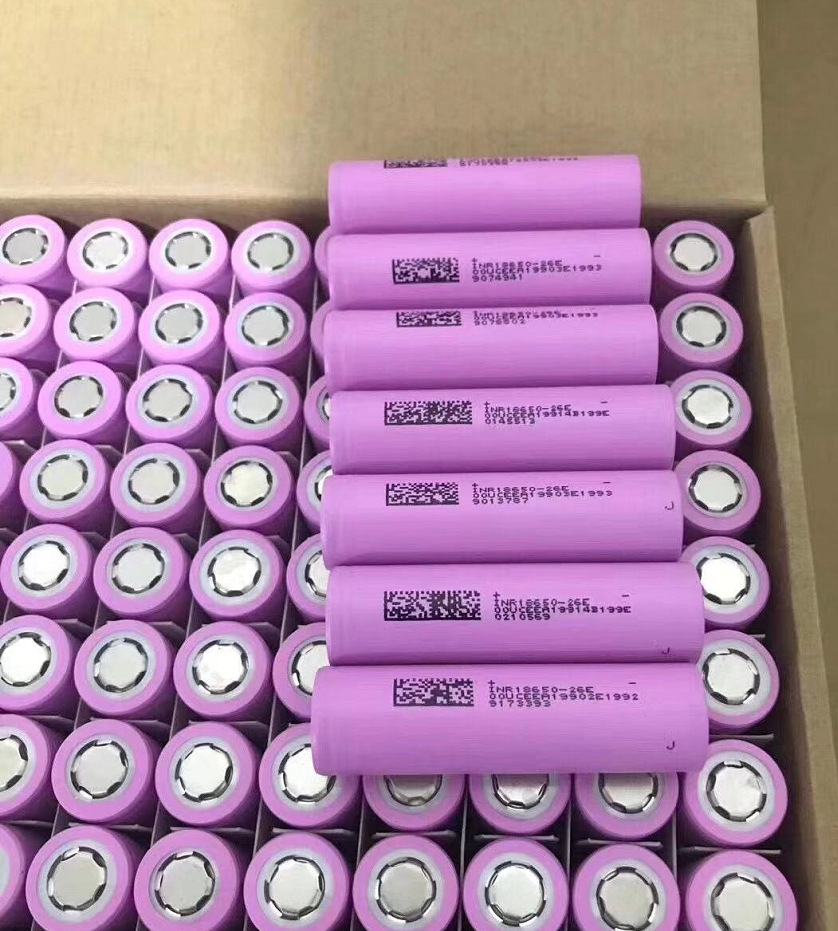
The 18650 cylindrical cell format (18mm diameter × 65mm length) has evolved significantly since its commercialization. For ESS applications, LFP chemistry offers distinct advantages over NMC or NCA alternatives:
Extended Cycle Life: LFP 18650 cells typically achieve 4,000-6,000 full cycles at 80% depth of discharge (DOD), compared to 2,000-3,000 cycles for conventional lithium-ion chemistries. This translates to 10-15 years of operational lifespan in stationary storage configurations.
Thermal Stability: The olivine crystal structure of LiFePO4 provides superior thermal runaway resistance, with decomposition temperatures exceeding 270°C. This characteristic is critical for meeting UL 9540A and IEC 62619:2022 safety requirements in commercial ESS deployments.
Cost Efficiency: Raw material availability (iron and phosphate vs. cobalt and nickel) ensures stable pricing and supply chain resilience, particularly important for large-scale ESS projects exceeding 1MWh capacity.
Critical Performance Parameters for ESS Integration
When evaluating 18650 LFP cells for ESS applications, technical teams should prioritize these specifications:
| Parameter | Standard Range | Premium OEM Grade |
|---|---|---|
| Nominal Capacity | 1,500-2,000 mAh | 2,200-2,600 mAh |
| Continuous Discharge | 1C-3C | 5C-10C |
| Internal Resistance | 30-50 mΩ | 18-25 mΩ |
| Operating Temperature | -20°C to 60°C | -30°C to 65°C |
| Cycle Life (@80% DOD) | 4,000 cycles | 6,000+ cycles |
Voltage Characteristics: LFP cells maintain a nominal voltage of 3.2V with a charging cutoff at 3.65V and discharge cutoff at 2.5V. The flat discharge curve (3.2-3.3V for 80% of capacity) simplifies battery management system (BMS) design but requires precise voltage monitoring for state-of-charge estimation.
Standardized Testing Methodologies for Cycle Life Validation
Reputable cylindrical battery manufacturers implement rigorous testing protocols aligned with international standards:
IEC 62619 Compliance: This industrial lithium battery safety standard mandates comprehensive testing including external short-circuit, forced discharge, impact resistance, and thermal abuse scenarios. For ESS applications, compliance with IEC 62619:2022 is mandatory for European market access and CE certification.
UL Certification Pathway: North American deployments require UL 1973 (stationary battery systems) and UL 9540 (energy storage systems) certification. The UL 9540A test method specifically evaluates thermal runaway fire propagation, essential for large-scale ESS installations subject to NFPA 855 regulations.
Cycle Life Testing Protocol: Accelerated aging tests at 45°C with 1C charge/discharge rates provide predictive data for 10-year performance. Premium OEM suppliers offer customized testing matrices matching specific application profiles (solar smoothing, frequency regulation, peak shaving).
OEM Customization Capabilities for Regional Market Requirements
Leading cylindrical battery suppliers provide flexible OEM solutions addressing regional compliance and technical specifications:
European Market Adaptation: ESS products targeting EU markets must comply with EN 62619 (European adoption of IEC 62619), CE marking requirements, and upcoming EU Battery Regulation (2023) carbon footprint disclosure mandates. Custom cell configurations with enhanced low-temperature performance (-30°C) address Northern European deployment scenarios.
North American Compliance: US projects require UL certification, NEC Article 706 compliance, and state-specific regulations (California Title 24, New York Energy Storage Safety Program). OEM suppliers should provide complete certification documentation packages including UN 38.3 transportation testing.
Grid Code Compatibility: Regional grid interconnection standards (IEEE 1547 for US, G98/G99 for UK, VDE-AR-N 4105 for Germany) dictate specific response times and power quality requirements. Custom BMS firmware can be configured to meet these specifications.
Technical Barriers and Supply Chain Considerations
Established cylindrical battery manufacturers maintain competitive advantages through:
- Vertical Integration: Control over electrode coating, cell assembly, and aging processes ensures consistent quality across production batches
- Traceability Systems: QR code-based cell tracking enables complete manufacturing history documentation for warranty and safety investigations
- R&D Investment: Continuous improvement in electrolyte formulations and separator technologies extends cycle life beyond standard specifications
For comprehensive product specifications and technical documentation, visit our cylindrical battery cell portfolio. Engineering teams seeking customized solutions should review our capabilities as established battery manufacturers in China with global compliance expertise.
Conclusion: Strategic Selection for 2026 ESS Deployments
The selection of 18650 LFP cylindrical cells for ESS applications requires careful evaluation of cycle life specifications, regional compliance requirements, and OEM customization capabilities. Premium suppliers distinguish themselves through comprehensive certification portfolios (IEC 62619, UL 1973, UN 38.3), transparent testing data, and flexible manufacturing arrangements supporting projects from 100kWh to 100MWh scale.
For technical consultations and OEM partnership discussions, contact our engineering team through our official contact channel. As the ESS market matures in 2026, strategic supplier relationships based on technical competence and regulatory compliance will determine project success and long-term operational reliability.
Technical specifications subject to verification based on specific application requirements. All certification claims should be validated through current test reports from accredited laboratories.