Know the cell code or size?
Search by model, shape, capacity or continuous current. Compare up to three cells.
Search the catalogue
 Lithium Cells & Custom Battery Packs
Select lithium cells by duty or plan a custom battery pack around your equipment.
START YOUR SEARCH
Search by model, shape, capacity or continuous current. Compare up to three cells.
Search the catalogueCheck discharge and charging limits separately. A cell that runs in the cold may not charge there.
Find low-temperature cellsStart from your voltage, load and available space. Add temperature, enclosure and connector needs.
Explore Pack applicationsScreen cylindrical, pouch and prismatic cells by size, capacity and documented load. See cold charge and discharge references separately.

Compare continuous current, pulse conditions and fit. Request a quote for the selected model, quantity and delivery schedule.
Exterior studies · Not to scale. Refer to the model datasheet or approved pack drawing for dimensions.
Review the test conditions, the production scope and the records needed for supplier qualification.

A current rating is useful only with its conditions. Compare how long a cell must sustain the load, the resulting voltage and temperature, and what changes over repeated duty.
Explore technology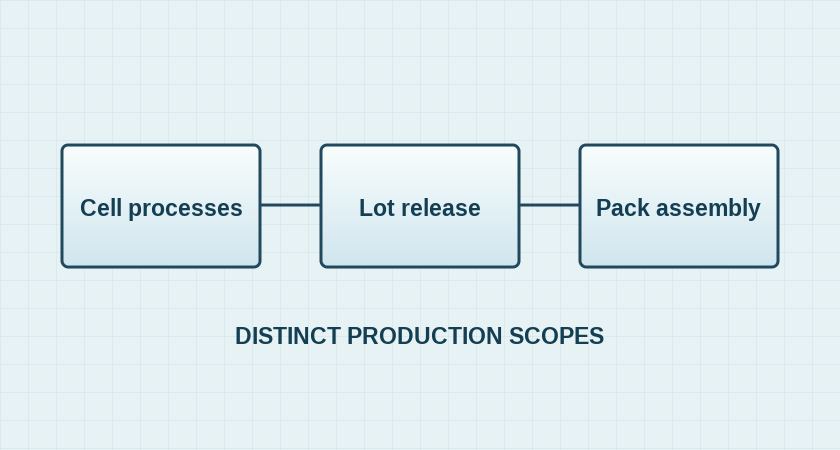
Cell manufacture and pack assembly are different scopes. Confirm the responsible facility, process coverage and applicable records for the exact product or project.
Explore manufacturing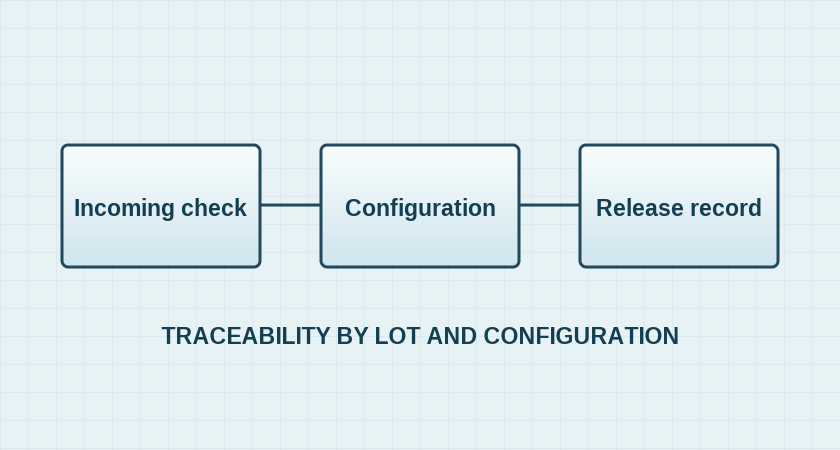
Agree on the checks, reports and traceability needed to qualify the exact cell or pack configuration. Evidence is reviewed for the responsible site and model.
Explore quality & testingTranslate the cell choice into electrical, mechanical and environmental requirements for the complete pack.
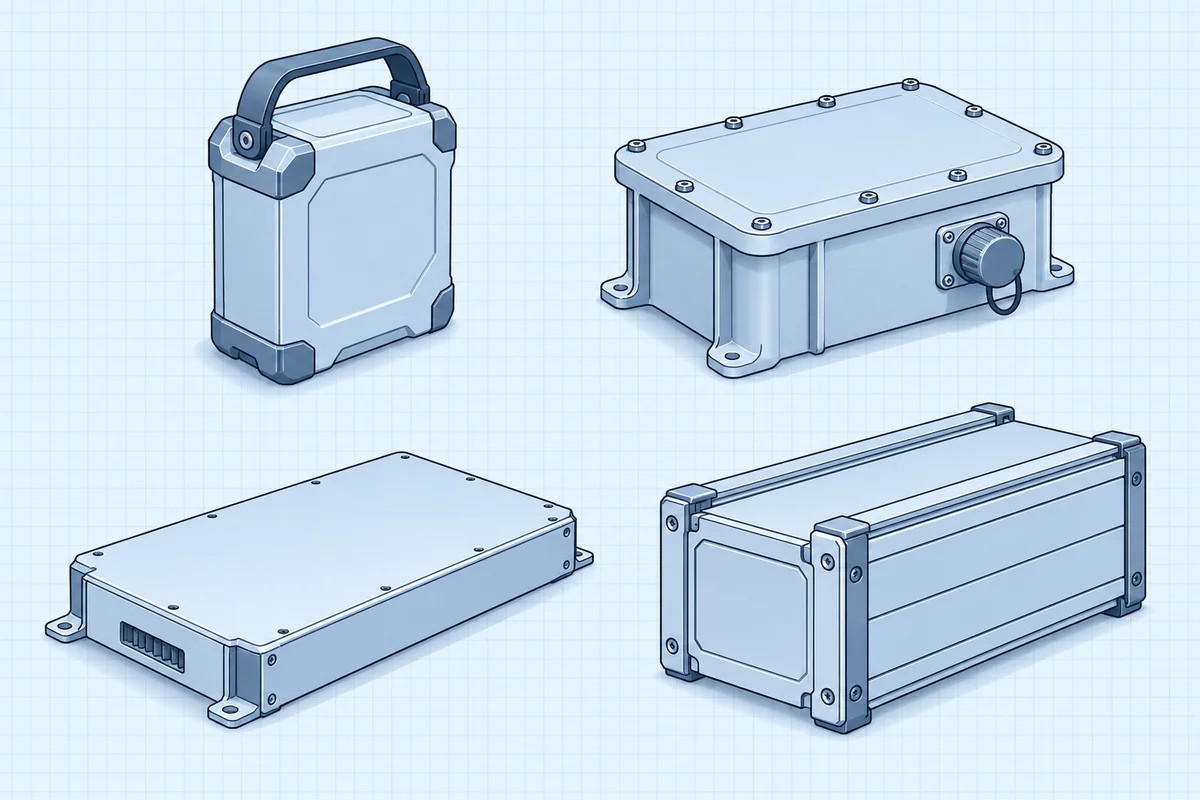
Define a high-current pack around your equipment: operating voltage, steady load, peak duration and available space.
Explore Pack capabilitiesAI-generated concept illustration, not released products or a certification claim.

Size for acceleration peaks, shift runtime and available charging windows.
Start with the term you use. Then check the actual rating, unit and test conditions for the cell or pack.
A high-drain cell is intended for applications that draw substantial current. To compare high-discharge-rate lithium-ion cells, look at the continuous discharge rating in amps and the specified temperature limit. A pulse or burst rating also needs a time limit.
A high-current cell is selected by current in amps. A high-power cell or power cell is selected for output in watts at the operating voltage. Neither term gives a universal current rating; high capacity in amp-hours describes something different.
High-C and high C-rate describe a current relative to capacity. For example, 5C for a 2 Ah cell corresponds to 10 A by definition, not a promise that any particular cell supports it. For a high-C pouch cell, check whether the C-rating is continuous or burst.
No. A fast-charge or high-charge-rate cell has a separate charging specification. A high discharge current does not imply the same allowable charge current. Check both ratings on the exact model's datasheet.
A high-discharge battery pack has its own system limits. Specify pack-level continuous and peak current, pulse duration, operating voltage, cooling and protection limits rather than quoting the cell rating alone.