32135 Battery Cell For Telecom Base Station | CNS BATTERY
Powering Global Telecommunications Infrastructure with Advanced Lithium Technology
The telecommunications industry demands unwavering reliability from its power backup systems. As 5G networks expand across North America, Europe, and Asia-Pacific regions, telecom base stations require battery solutions that deliver consistent performance under diverse environmental conditions. The 32135 battery cell has emerged as a critical component for telecom base station applications, offering optimal energy density, extended cycle life, and superior thermal stability. At CNS BATTERY, we specialize in manufacturing premium cylindrical battery cells engineered specifically for telecommunications infrastructure worldwide.
Understanding the 32135 Cylindrical Battery Cell Architecture
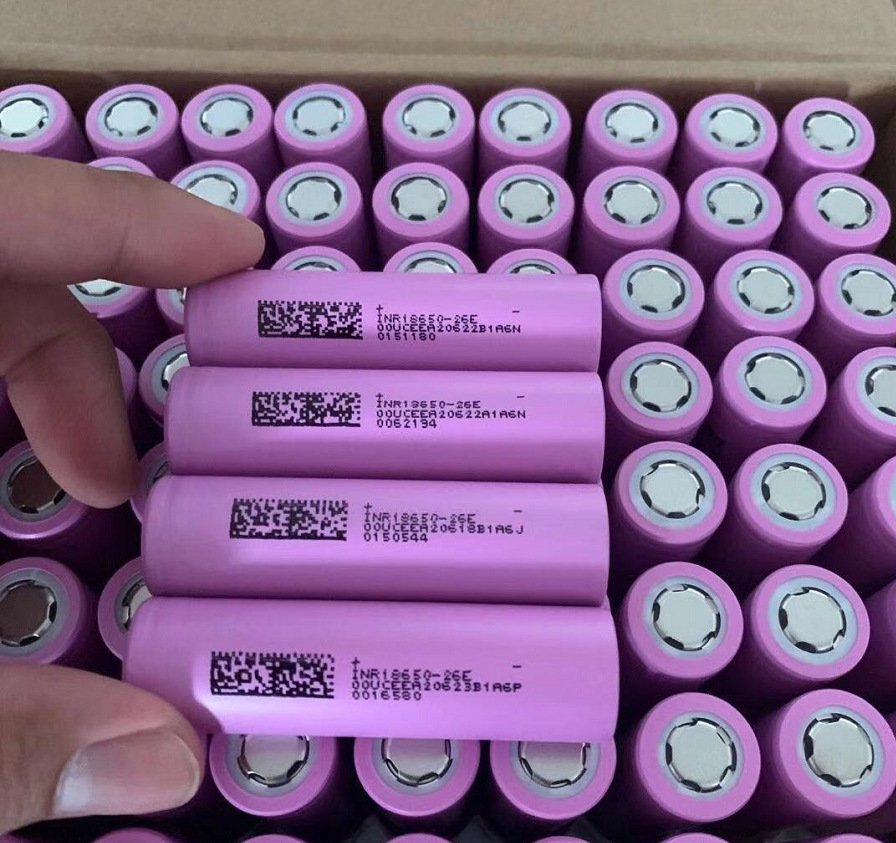
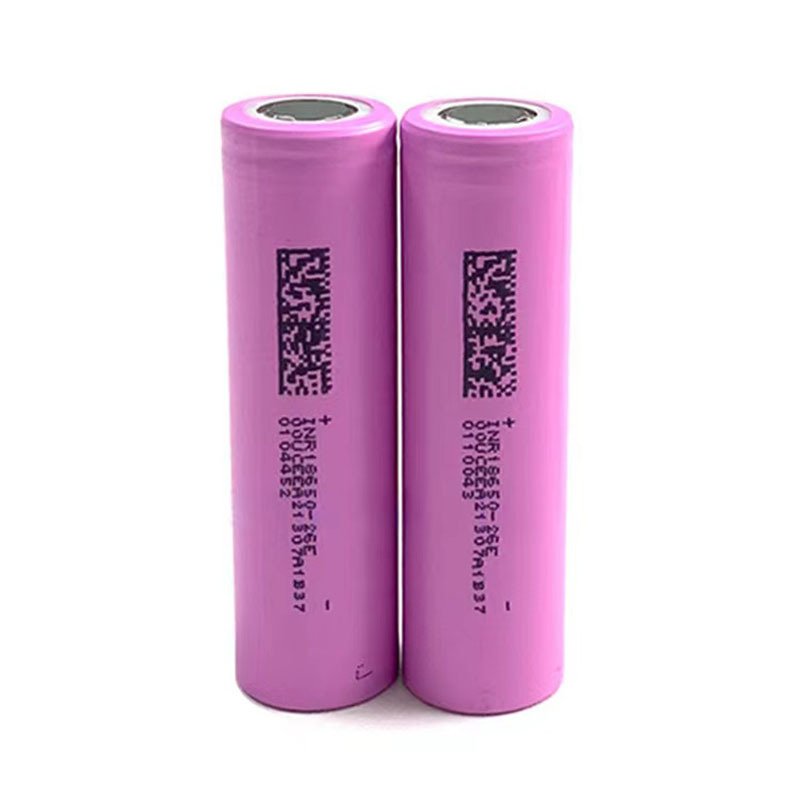
The 32135 designation refers to a cylindrical lithium-ion cell with 32mm diameter and 135mm height dimensions. This form factor strikes an ideal balance between capacity and thermal management capabilities, making it particularly suitable for telecom base station backup power systems.
Key Technical Specifications:
- Nominal Capacity: 12,000-15,000mAh depending on chemistry configuration
- Voltage Platform: 3.2V (LiFePO4) or 3.6V (NMC)
- Cycle Life: 3,000-5,000 cycles at 80% DOD
- Operating Temperature: -20°C to 60°C for extreme climate adaptability
- Safety Features: Built-in PTC, CID, and thermal runaway protection
The lithium iron phosphate (LiFePO4) chemistry variant is increasingly preferred for telecom applications due to its enhanced safety profile and longer calendar life compared to traditional NMC formulations. This is particularly important for base stations deployed in remote locations across Africa, Southeast Asia, and Latin America where maintenance access is limited.
Critical Requirements for Telecom Base Station Battery Systems
Telecommunications infrastructure operates under stringent reliability standards. Base station battery systems must meet several critical performance criteria:
1. Extended Backup Duration
Base stations require minimum 4-8 hours of backup power during grid outages. The 32135 cell’s high energy density enables compact battery pack designs while maintaining sufficient reserve capacity for emergency communications.
2. Wide Temperature Tolerance
From Scandinavian winters to Middle Eastern summers, telecom equipment faces extreme temperature variations. Our 32135 cells incorporate advanced electrolyte formulations and thermal management systems ensuring stable performance from -20°C to 60°C ambient conditions.
3. Long Service Life
Telecom operators seek battery solutions with 10+ year service life to minimize total cost of ownership. The 32135 cell’s robust electrode design and superior SEI layer stability deliver exceptional calendar life performance.
4. Regulatory Compliance
Different regions enforce specific safety and environmental standards. Our manufacturing facilities maintain ISO 9001, ISO 14001, and UN 38.3 certifications, ensuring compliance with EU CE, US UL, and Asia-Pacific regulatory requirements.
CNS BATTERY Manufacturing Excellence for Global Markets
As a leading battery manufacturer in China, CNS BATTERY combines advanced production technology with rigorous quality control systems. Our automated manufacturing lines ensure consistent cell performance across production batches, critical for telecom operators deploying thousands of base stations simultaneously.
For detailed product specifications and technical documentation, visit our cylindrical battery cell product page. Our engineering team provides customized solutions for specific regional requirements, from tropical humidity resistance to cold climate performance optimization.
Geo-Specific Deployment Considerations
North America: UL 1642 and UL 2054 compliance mandatory for telecom backup systems. Our 32135 cells meet all required safety certifications.
European Union: CE marking and RoHS compliance essential. We provide complete documentation for EU market entry.
Asia-Pacific: Various national standards apply. Our team supports local certification processes across India, Australia, and Southeast Asian markets.
Africa & Middle East: High-temperature performance and dust resistance prioritized. Specialized cell configurations available for harsh environment deployments.
Why Partner with CNS BATTERY for Telecom Projects
Choosing the right battery supplier impacts long-term network reliability and operational costs. CNS BATTERY offers:
- Scalable Production Capacity: Monthly output exceeding 5 million cells ensures supply chain stability for large-scale deployments
- Technical Support: Dedicated engineering team provides integration assistance and troubleshooting support
- Competitive Pricing: Direct manufacturer pricing without intermediary markups
- Global Logistics: Established shipping partnerships enable timely delivery to project sites worldwide
For partnership inquiries and volume pricing discussions, please visit our contact page. Our sales team responds within 24 hours to all business inquiries.
Conclusion: Reliable Power for Connected Communities
The 32135 battery cell represents a proven solution for telecom base station applications worldwide. As telecommunications networks continue expanding into underserved regions, reliable backup power becomes increasingly critical for maintaining connectivity during emergencies and grid instability.
CNS BATTERY stands ready to support telecom operators, system integrators, and infrastructure developers with high-quality cylindrical battery cells engineered for demanding telecommunications applications. Our commitment to quality, compliance, and customer service makes us a trusted partner for global telecom projects.
Explore our complete range of solutions at battery manufacturers in China and discover how CNS BATTERY can power your telecommunications infrastructure with confidence.
For technical specifications, certification documentation, or volume pricing inquiries, contact CNS BATTERY today. We serve telecom operators across 50+ countries with reliable, compliant battery solutions.