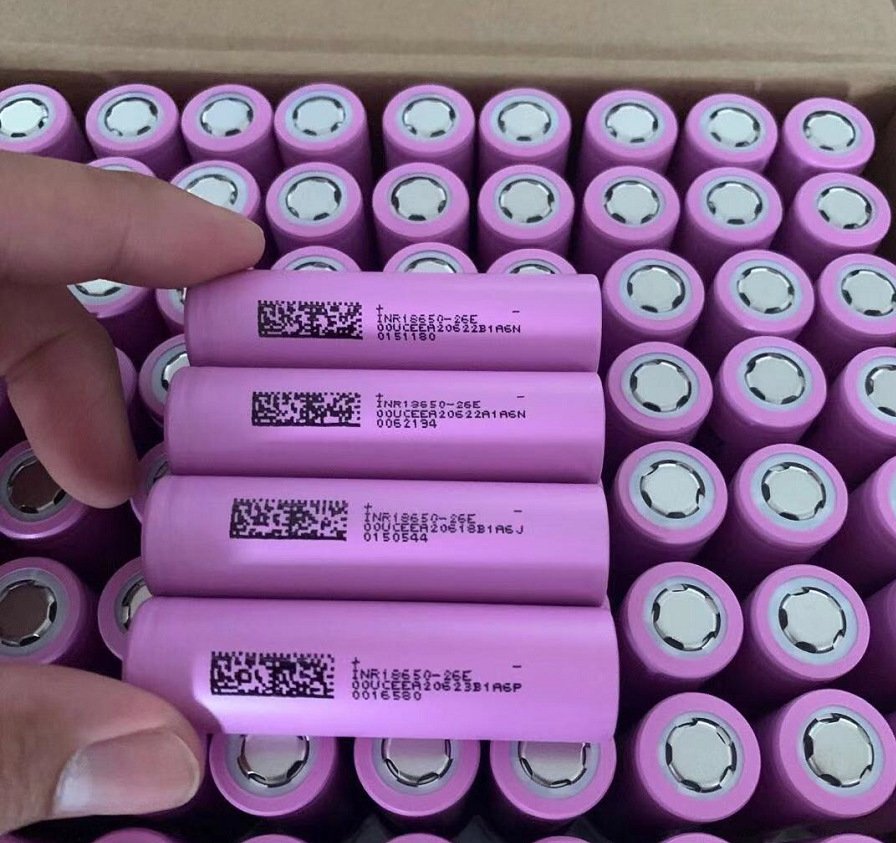
18650 LFP Cylindrical Battery for ESS – UN38.3 UL CE Certified Ideal for Manufacturers
The global energy storage system (ESS) market is experiencing unprecedented growth, with manufacturers seeking reliable, safe, and certified battery solutions. Among various options, the 18650 LFP cylindrical battery has emerged as a preferred choice for commercial and industrial energy storage applications. This article explores why UN38.3, UL, and CE certified 18650 LFP cells represent the optimal solution for battery manufacturers targeting North American, European, and Asian markets.
Understanding 18650 LFP Technology for ESS Applications
The 18650 designation refers to cylindrical lithium-ion cells measuring 18mm in diameter and 65mm in length. When paired with Lithium Iron Phosphate (LFP) chemistry, these cells deliver exceptional thermal stability and cycle life compared to traditional NMC or NCA chemistries. LFP batteries typically achieve 3,000-5,000 charge cycles while maintaining 80% capacity, making them ideal for stationary energy storage systems where longevity outweighs energy density concerns.
For ESS manufacturers, the cylindrical format offers significant advantages in thermal management and module design flexibility. The standardized dimensions enable automated assembly processes, reducing production costs while ensuring consistent quality across large-scale manufacturing operations.
Critical Certifications for Global Market Access
UN38.3 Transportation Safety
UN38.3 certification is mandatory for lithium battery transportation across all international borders. This testing standard evaluates battery safety under extreme conditions including altitude simulation, thermal cycling, vibration, shock, external short circuit, impact, overcharge, and forced discharge. Manufacturers distributing 18650 LFP cells to the United States, European Union, or Southeast Asia must verify UN38.3 compliance to avoid customs delays and regulatory penalties.
UL Certification for North American Markets
UL standards, particularly UL 1973 and UL 9540A, are essential for ESS products entering the United States and Canadian markets. UL certification demonstrates that battery cells meet rigorous safety requirements for fire resistance, electrical safety, and performance reliability. Many commercial insurance providers require UL certification before covering energy storage installations, making this credential crucial for B2B manufacturers.
CE Marking for European Compliance
The CE mark indicates conformity with European Union health, safety, and environmental protection standards. For battery manufacturers targeting Germany, France, Italy, or other EU member states, CE certification under the EU Battery Regulation (2023/1542) is legally mandatory. This certification also facilitates market access to countries recognizing European standards, including parts of the Middle East and Africa.
Regional Compliance Considerations for Geo SEO Optimization
Manufacturers must understand region-specific requirements when sourcing 18650 LFP cells. North American buyers prioritize UL certification and often search for “UL certified 18650 LFP battery USA.” European procurement teams focus on CE marking and REACH compliance, typically searching “CE certified LFP cylindrical battery Europe.” Asian markets, particularly Japan and South Korea, emphasize additional certifications like KC or PSE marks alongside UN38.3.
Optimizing product documentation and online presence for these regional search patterns improves visibility in local B2B marketplaces and procurement platforms. Manufacturers should ensure their supply chain partners provide complete certification documentation compatible with destination market requirements.
Why CNS BATTERY Stands Out for Manufacturers
CNS BATTERY specializes in supplying certified 18650 LFP cylindrical cells designed specifically for ESS manufacturers requiring reliable, compliant power solutions. Our products undergo comprehensive testing to meet UN38.3, UL, and CE standards, ensuring seamless market access across multiple regions. We understand the unique challenges battery manufacturers face when scaling production while maintaining regulatory compliance.
Our technical team provides detailed specification sheets, certification documentation, and logistics support to streamline your procurement process. Whether you’re developing residential energy storage systems or commercial-scale installations, our 18650 LFP cells deliver consistent performance with minimal degradation over extended operational periods.
For manufacturers seeking verified battery suppliers in China, we maintain transparent quality control processes and factory audit readiness. Our production facilities accommodate both standard and custom specifications, enabling flexible integration into your existing module designs without compromising safety or performance standards.
Partner with Certified Excellence
Selecting the right battery cell supplier directly impacts your product’s market competitiveness and regulatory compliance. CNS BATTERY combines technical expertise, comprehensive certification, and global logistics capability to support manufacturers building next-generation energy storage solutions.
Explore our complete range of cylindrical battery cells at https://cnsbattery.com/products-3/cylindrical-battery-cell/ and discover why leading ESS manufacturers trust our certified 18650 LFP solutions. For detailed inquiries about bulk orders, certification documentation, or custom specifications, visit https://cnsbattery.com/battery-manufacturers-in-china/ to learn more about our manufacturing capabilities.
Ready to secure your supply chain with certified battery solutions? Contact our international sales team today at https://cnsbattery.com/contact-2/ for personalized quotations and technical support tailored to your regional market requirements.