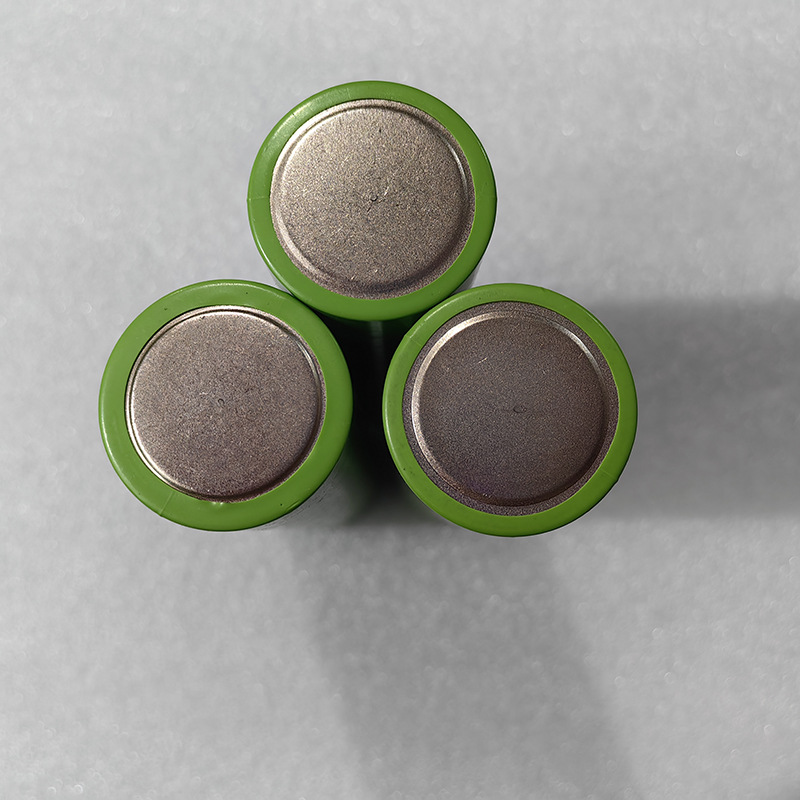
High Reliability Cylindrical Battery For Medical | CNS BATTERY
Introduction: The Critical Role of Battery Reliability in Medical Devices
In the medical device industry, there is zero margin for error. Every component must meet stringent safety and performance standards, and the power source is no exception. Cylindrical batteries have emerged as a preferred choice for numerous medical applications due to their proven reliability, consistent performance, and mature manufacturing processes. At CNS BATTERY, we understand that medical device manufacturers require more than just a power cell—they need a partner committed to compliance, quality, and long-term support.
Why Cylindrical Batteries for Medical Applications?
Cylindrical lithium battery cells offer distinct advantages that align perfectly with medical device requirements:
Structural Integrity: The cylindrical form factor provides excellent mechanical strength, resisting deformation under pressure and vibration—critical for portable and wearable medical equipment that may experience daily handling stress.
Thermal Management: The uniform geometry enables efficient heat dissipation, reducing thermal runaway risks. This is particularly important for devices operating in continuous or high-drain scenarios such as infusion pumps, ventilators, and monitoring systems.
Mature Technology: With decades of refinement, cylindrical cell manufacturing has achieved exceptional consistency. Batch-to-batch variation is minimized, ensuring predictable performance across production runs—a key requirement for medical device validation processes.
Energy Density: Modern cylindrical cells deliver high energy capacity in a compact footprint, supporting the industry trend toward miniaturization without compromising operational runtime.
Compliance and Certification Requirements
Medical battery suppliers must navigate a complex regulatory landscape. Here are the essential certifications and standards for 2026:
ISO 13485: This医疗器械质量管理体系 standard is the foundation for medical device component suppliers. It ensures that manufacturing processes maintain traceability, risk management, and quality control throughout the product lifecycle. Unlike ISO 9001, ISO 13485 is specifically designed for medical applications with regulatory compliance at its core.
IEC 62133: International safety standard for secondary lithium cells, covering electrical, mechanical, and environmental testing requirements.
UN 38.3: Mandatory transportation certification for lithium batteries, ensuring safe shipping across international borders.
FDA 510(k) Support: While batteries themselves may not require FDA clearance, suppliers must provide documentation supporting device manufacturers’ regulatory submissions.
EU Battery Regulation 2026: The new European battery law enters substantive enforcement in 2026, requiring battery passport documentation and enhanced traceability for industrial applications.
GB 4824-2025: For devices targeting Chinese markets, this updated EMC standard (effective March 2026) imposes stricter RF emission limits on medical equipment.
CNS BATTERY maintains comprehensive compliance documentation to support your regulatory submissions. Learn more about our manufacturing capabilities at https://cnsbattery.com/battery-manufacturers-in-china/
Technical Specifications for Medical-Grade Cylindrical Cells
When selecting cylindrical batteries for medical devices, consider these critical parameters:
| Parameter | Medical-Grade Requirement | Standard Commercial |
|---|---|---|
| Cycle Life | 500+ cycles @ 80% DOD | 300-500 cycles |
| Self-Discharge | <2% per month | 3-5% per month |
| Operating Temperature | -20°C to +60°C | -10°C to +45°C |
| Quality Consistency | CpK ≥ 1.67 | CpK ≥ 1.33 |
| Traceability | Full batch tracking | Limited tracking |
Case Study: Portable Infusion Pump Application
A leading medical device manufacturer required a cylindrical cell solution for their next-generation infusion pump. Key challenges included:
- 48-hour continuous operation requirement
- Operation in hospital environments with strict EMC requirements
- 5-year shelf life with minimal capacity degradation
CNS BATTERY provided customized 18650 cells with:
- Enhanced electrolyte formulation for extended calendar life
- Low-impedance design supporting consistent discharge profiles
- Complete documentation package for regulatory submission
The result: 99.7% field reliability over 18 months of deployment across 200+ healthcare facilities.
Procurement Considerations for B2B Buyers
When sourcing cylindrical batteries for medical applications, focus on these practical factors:
1. Supplier Qualification: Verify ISO 13485 certification and request audit reports. Ensure the manufacturer has experience with medical device customers and understands regulatory expectations.
2. Sample Validation: Conduct thorough testing before volume commitment. Evaluate capacity retention, impedance stability, and safety performance under worst-case scenarios.
3. Supply Chain Security: Assess the supplier’s raw material sourcing, production capacity, and contingency planning. Medical device production schedules cannot tolerate supply disruptions.
4. Documentation Support: Confirm the supplier can provide comprehensive technical files including material declarations, test reports, and change notification procedures.
5. Long-Term Availability: Medical devices often have 10+ year lifecycles. Ensure the battery model will remain available or that suitable replacements can be qualified without device re-certification.
CNS BATTERY: Your Trusted Medical Battery Partner
CNS BATTERY specializes in high-reliability cylindrical battery cells designed for demanding applications. Our medical-grade product line features:
- Full ISO 13485 compliant manufacturing processes
- Comprehensive traceability from raw materials to finished cells
- Dedicated technical support for design integration
- Flexible customization options for specific application requirements
- Global logistics support with full transportation compliance
Explore our cylindrical battery cell portfolio at https://cnsbattery.com/products-3/cylindrical-battery-cell/
Conclusion
Selecting the right cylindrical battery for medical applications requires careful consideration of technical specifications, regulatory requirements, and supplier capabilities. With the 2026 regulatory landscape becoming increasingly stringent, partnering with an experienced, compliance-focused manufacturer is essential for successful product development and market entry.
CNS BATTERY is committed to supporting medical device manufacturers with reliable power solutions and comprehensive regulatory support. Contact our team today to discuss your specific requirements and discover how we can accelerate your product development timeline.
Get in touch with our medical battery specialists: https://cnsbattery.com/contact-2/
This article provides general guidance for medical device battery selection. Specific requirements may vary based on device classification, intended use, and target markets. Always consult with regulatory experts for your particular application.