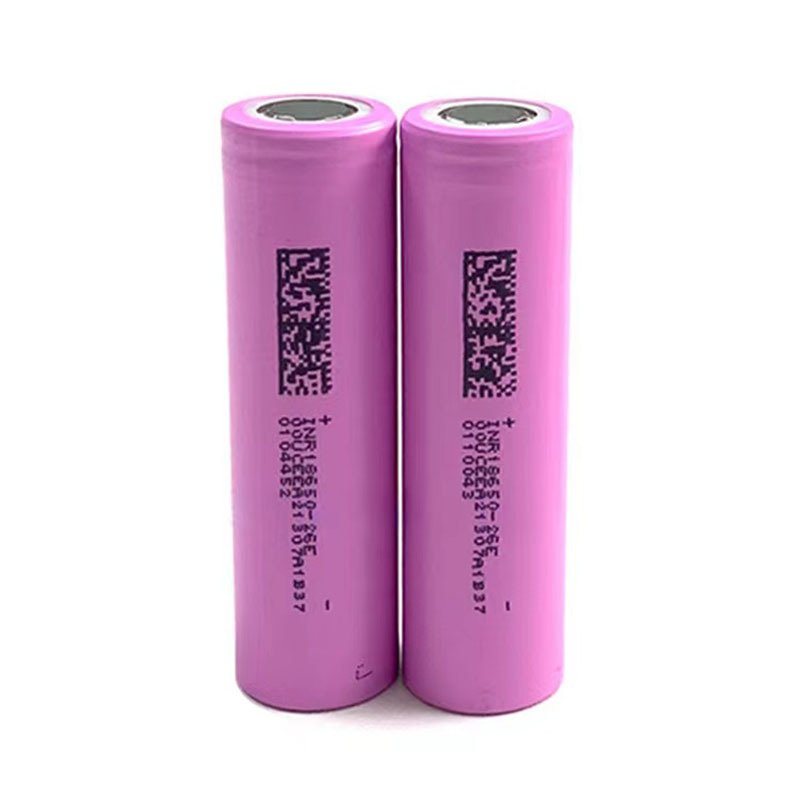
As electric vehicle (EV) technology continues to evolve and gain popularity, consumers are increasingly focused on selecting the right battery for their EVs. Among the various options available, lithium batteries and lead-acid batteries stand out as the two most prominent types. To help consumers make an informed decision, this article provides a detailed comparison between lithium batteries and lead-acid batteries across multiple dimensions.
1. Energy Density and Range
Lithium batteries are renowned for their high energy density, typically ranging between 120-180 WH/KG. In contrast, lead-acid batteries offer an energy density of only 40-70 WH/KG. This significant difference means that lithium batteries can store more electrical energy per unit weight, thereby providing EVs with a longer driving range. For users who require extensive travel, lithium batteries offer a clear advantage. Additionally, lithium batteries generally charge faster than lead-acid batteries, enhancing the overall user experience.
2. Lifespan and Maintenance Costs
In terms of lifespan, lithium batteries typically undergo around 1000 charging and discharging cycles, while lead-acid batteries manage about 600 cycles. Lithium batteries also lack a memory effect, meaning there’s no need to worry about temporary capacity reduction during use. Consequently, lithium batteries offer long-term cost savings due to their longer lifespan and lower maintenance requirements. Although the initial purchase cost of lithium batteries is higher, their extended lifespan and reduced maintenance costs can result in lower overall expenses.
3. Safety and Environmental Impact
Lead-acid batteries are generally reliable in terms of safety, with mature technology and stable material properties. They maintain high safety levels even in the face of external impacts such as collisions and punctures. However, lithium batteries present a more complex safety profile. Under extreme conditions like overcharging, over-discharging, high temperatures, or short circuits, lithium batteries may experience thermal runaway, leading to potential fires or explosions. Yet, advancements in technology and manufacturing processes have equipped modern lithium batteries with multiple safety protection measures to minimize these risks.
Regarding environmental impact, lithium batteries outperform lead-acid batteries. Lithium batteries are made from eco-friendly materials and do not contain harmful substances like heavy metals, resulting in minimal environmental pollution and easy recycling. In contrast, lead-acid batteries contain the heavy metal lead, which can cause soil and water pollution if not properly disposed of. Therefore, from an environmental perspective, lithium batteries offer a superior choice.
4. Price and Cost-Effectiveness
Lead-acid batteries have gained popularity due to their low price and straightforward maintenance. The relatively simple production process and low raw material costs make lead-acid batteries generally affordable. For budget-conscious consumers, lead-acid battery EVs may be more cost-effective. However, it’s worth noting that while lead-acid batteries have a lower initial purchase cost, their shorter lifespan and higher maintenance costs can offset this advantage.
In contrast, although lithium battery EVs are more expensive upfront, their superior range, longer lifespan, and environmental benefits make them more cost-effective in the long run. For users prioritizing efficient, convenient, and eco-friendly transportation, lithium battery EVs are a better choice.
5. Portability and Space Efficiency
Lithium batteries also excel in terms of portability and space efficiency. Due to their lightweight materials and compact, reasonable structural design, lithium batteries weigh and occupy much less space than lead-acid batteries of the same capacity. This makes EVs equipped with lithium batteries more lightweight, portable, and space-saving. For users needing frequent transportation or limited parking space, lithium battery EVs offer a significant advantage.
6. Conclusion and Recommendations
In summary, both lithium batteries and lead-acid batteries have their unique strengths and weaknesses. When choosing an EV battery, consumers should consider their actual needs and usage scenarios comprehensively. If endurance, lifespan, environmental performance, and portability are priorities, and the budget permits, lithium battery EVs are a wiser choice. For budget-conscious consumers with less stringent requirements for endurance and portability, lead-acid battery EVs remain a viable option.
Regardless of the battery type chosen, it’s crucial to select products from reputable manufacturers and strictly adhere to relevant regulations and maintenance procedures to ensure maximum performance and safety. Through this comprehensive comparison and analysis, consumers can gain a clearer understanding of the advantages and disadvantages of lithium battery and lead-acid battery EVs, enabling them to make informed choices that suit their needs.