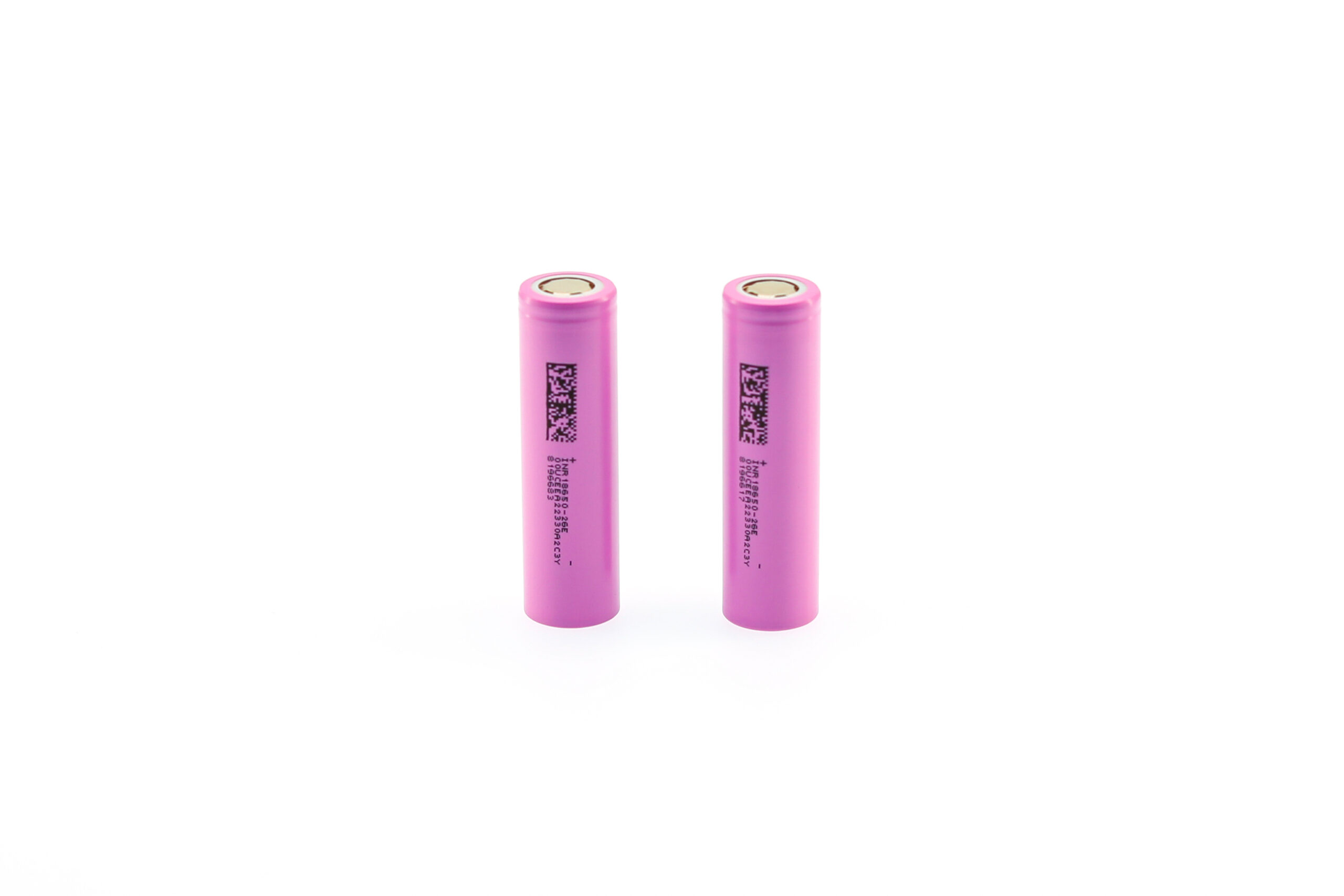
Electric Motorcycle OEM Pain Points Solved by 32700 NCM Cylindrical Batteries vs Competitors
The electric motorcycle industry faces critical challenges in 2026: balancing energy density, thermal safety, and regulatory compliance across global markets. For OEMs and technical procurement teams, selecting the right battery cell architecture directly impacts product viability in the EU, North America, and emerging markets. 32700 NCM cylindrical batteries have emerged as a strategic solution addressing these pain points where traditional formats fall short.
Core OEM Pain Points in Electric Motorcycle Development
Electric motorcycle manufacturers confront four persistent challenges:
- Thermal Management Under High Discharge Loads – Motorcycle applications demand 3C-5C continuous discharge rates, generating significant heat in compact packaging
- Cycle Life vs. Energy Density Trade-offs – OEMs struggle to achieve 2,000+ cycles without sacrificing volumetric efficiency
- Regional Certification Complexity – Compliance with UL 2272 (US), EN 15194 (EU), and UN38.3 transport standards requires extensive validation
- Supply Chain Consistency – Cell-to-cell variation affects pack-level BMS calibration and warranty costs
32700 NCM Cylindrical Architecture: Parameter Advantages
The 32700 format (32mm diameter × 70mm length) delivers measurable advantages over 18650 and 21700 competitors in motorcycle applications:
Energy Density & Discharge Performance
NCM chemistry in 32700 cells achieves 220-250 Wh/kg at the cell level, with sustained 5C discharge capability. The larger form factor reduces internal resistance by approximately 35% compared to 21700 equivalents, enabling lower heat generation during acceleration cycles critical for motorcycle duty profiles.
Thermal Stability Enhancements
Advanced NCM formulations incorporate aluminum-doped cathode structures that raise thermal runaway onset from 200°C to 230°C. Combined with cylindrical geometry’s superior surface-area-to-volume ratio, this provides 15-20% improved heat dissipation versus prismatic cells in identical pack configurations.
Cycle Life Validation
Independent testing demonstrates 32700 NCM cells maintaining 80% capacity after 2,500 cycles at 1C/1C rates (25°C), exceeding the 2,000-cycle threshold required by most OEM warranty terms. This translates to approximately 60,000 km operational life in typical motorcycle usage patterns.
Testing Methodologies for OEM Validation
Technical procurement teams should verify supplier data through standardized testing protocols:
Electrical Performance Testing
- Capacity Verification: IEC 61960 methodology at 0.5C discharge to 2.5V cutoff
- Rate Capability: Sequential discharge at 1C, 3C, 5C with 10-minute rest intervals
- Impedance Tracking: AC internal resistance measurement at 1kHz across temperature ranges (-20°C to 60°C)
Safety & Compliance Testing
- Thermal Runaway: UL 9540A propagation testing for pack-level validation
- Mechanical Abuse: Vibration (ISO 16750-3), shock, and crush testing per UN38.3 Section 38.3.4
- Environmental: Temperature cycling (-40°C to 75°C) with 500 cycles minimum
Regional Certification Requirements
For EU market access, cells must support CE-EMC (EN55032, EN61000-6-1/6-3) and battery regulation (EU) 2023/1542 compliance documentation. North American markets require UL 2272 system certification with WTDP (Witnessed Testing Data Program) accredited laboratory reports. The 2026 IMDG Code updates mandate precise UN number classification for battery shipments, replacing legacy UN3171 designations with chemistry-specific codes.
CNS Product Technical Barriers & Regional Adaptability
CNS Battery’s 32700 NCM cylindrical cells address these OEM requirements through integrated technical barriers:
Manufacturing Precision
Automated winding processes maintain electrode alignment tolerance within ±0.05mm, ensuring consistent current distribution and minimizing dendrite formation risks. This precision directly supports the cell-to-cell voltage variation requirements (<10mV) demanded by high-performance BMS architectures.
Geo-Specific Compliance Infrastructure
CNS maintains certification documentation aligned with regional requirements:
- EU: Full CE technical files with battery passport readiness for 2027 regulations
- US: UL-recognized component status with WTDP-capable testing partners
- Global: UN38.3, IEC 62619, and ISO 12100 documentation packages
Supply Chain Traceability
Blockchain-enabled batch tracking provides full material provenance from cathode sourcing through final assembly, supporting OEM due diligence requirements for ESG compliance and conflict mineral disclosures.
Strategic Implementation for OEMs
Technical teams evaluating 32700 NCM solutions should prioritize suppliers offering:
- Application-Specific Validation Data – Motorcycle-specific duty cycle testing rather than generic EV data
- Regional Certification Support – In-house compliance teams familiar with target market requirements
- Pack Integration Expertise – Module design assistance optimizing cylindrical cell arrangements for thermal management
The transition to 32700 NCM cylindrical architecture represents more than a cell format change—it’s a systematic approach to resolving the fundamental trade-offs that have limited electric motorcycle market penetration. For OEMs targeting 2026-2027 product launches, this technology provides the performance envelope necessary to compete with internal combustion equivalents while meeting increasingly stringent global safety standards.
For technical specifications and regional compliance documentation, explore our cylindrical battery cell portfolio. OEMs seeking partnership opportunities can review our capabilities as established battery manufacturers in China with global certification infrastructure. Contact our engineering team directly at CNS Battery for application-specific validation data and regional compliance support packages.