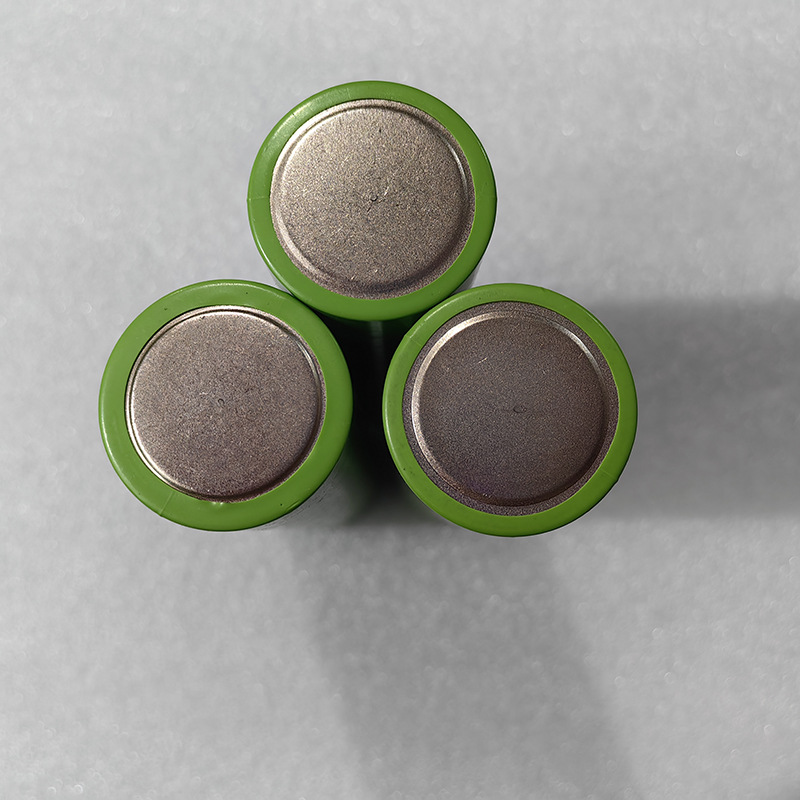
E-bike OEM Pain Points Solved by 18650 Li-ion Cylindrical Batteries Guaranteed
The global electric two-wheeler market is booming, driven by urbanization, rising fuel costs, and environmental awareness. However, for OEMs (Original Equipment Manufacturers), scaling production while maintaining quality, safety, and profitability is a complex balancing act.
One of the most critical components—often the source of significant pain points—is the battery pack. From thermal management nightmares to supply chain volatility, the wrong battery choice can derail an entire product launch.
This is where the 18650 Li-ion cylindrical battery steps in as a proven, industrial-grade solution. Unlike pouch or prismatic cells, which can be prone to swelling or inconsistent manufacturing, the 18650 form factor offers a standardized, high-reliability alternative.
Here is how partnering with a specialized manufacturer to integrate 18650 cells solves the top five operational and engineering challenges faced by E-bike OEMs today.
1. Solving the “Thermal Runaway” Safety Crisis
The Pain Point: Safety is non-negotiable. For E-bike manufacturers, a single thermal runaway incident can destroy brand reputation and lead to massive recalls. Pouch cells, while flexible in design, often struggle with internal resistance and heat dissipation, leading to hotspots within the battery module.
The 18650 Solution: Superior Thermal Management
The cylindrical geometry of the 18650 cell is inherently stable. Unlike soft-pack pouches, the rigid steel (or aluminum) casing of a cylindrical cell provides excellent structural integrity. This design allows for consistent spacing between cells, facilitating efficient air or liquid cooling.
Furthermore, the uniform surface area of cylindrical cells ensures that heat is dissipated evenly. When integrated into a Battery Management System (BMS), these cells offer predictable behavior under stress, significantly reducing the risk of thermal runaway. For OEMs, this translates to a safer product that meets international safety standards (such as UL or CE) without the need for complex, custom cooling geometries required by irregularly shaped pouch cells.
Technical Insight: The “18650” designation refers to the cell’s dimensions: 18mm in diameter and 65mm in length. This standardization allows for automated production lines, reducing human error and enhancing consistency.
2. Eliminating Supply Chain Volatility
The Pain Point: Custom-shaped batteries (often pouch or prismatic) are expensive to prototype and lock OEMs into single-supplier dependencies. If a supplier raises prices or faces production delays, the OEM has no alternative but to absorb the cost or halt production.
The 18650 Solution: Industrial Commodity Security
The 18650 is the “Henry Ford” of lithium batteries. Originally developed for consumer electronics, it is now a global commodity. Because it is a standardized part, OEMs are not held hostage by proprietary shapes.
By utilizing a Battery Manufacturer in China that specializes in industrial 18650 cells, OEMs gain access to a robust global supply chain. If one supplier faces issues, another can step in with the exact same规格 (specifications). This commoditization drives down costs and ensures that your E-bike production line never stops due to a battery shortage.
3. Overcoming High Assembly Costs
The Pain Point: Manual assembly of irregular battery packs is slow, labor-intensive, and prone to error. For startups and small OEMs, the cost of setting up automated lines for custom-shaped batteries is prohibitively expensive.
The 18650 Solution: Automation and Scalability
The uniform shape of the 18650 cell is perfectly suited for robotics. Automated assembly lines can pick, place, and weld these cells with high precision. This reduces labor costs significantly and increases the throughput of your factory.
Moreover, the modular nature of cylindrical cells allows for “building block” design. Whether you need a 36V 10Ah pack for a city scooter or a 72V 50Ah pack for a heavy-duty cargo bike, you are essentially using the same fundamental component, just arranged differently. This modularity simplifies inventory management and speeds up the time-to-market for new models.
4. Delivering the “Range Anxiety” Cure
The Pain Point: Consumers demand longer range without adding excessive weight. Many OEMs struggle to balance energy density with cost. Heavy batteries reduce efficiency, while low-density batteries mean frequent charging.
The 18650 Solution: High Energy Density
Modern 18650 cells, particularly those using NMC (Nickel Manganese Cobalt) or high-nickel chemistry, offer exceptional energy density. For instance, high-capacity variants like the INR18650-3500 provide 3.5Ah of capacity in a tiny package.
By utilizing these high-density cells, OEMs can pack more watt-hours (Wh) into the same physical space. This means an E-bike can travel further on a single charge without becoming cumbersome to handle. The result is a product that wins customer trust through superior performance.
5. Ensuring Longevity and Reducing Warranty Claims
The Pain Point: High warranty return rates for batteries are a financial drain. Cells that degrade quickly due to poor cycle life force OEMs to replace packs prematurely, eating into profit margins.
The 18650 Solution: Long Cycle Life
Industrial-grade 18650 cells are engineered for durability. A well-manufactured INR (Nickel-rich) 18650 cell can withstand 1000 to 2000 charge cycles while retaining 80% of its original capacity. This longevity is built into the chemistry and the robust canister design, which resists physical degradation over time.
For the OEM, this means fewer warranty claims, lower after-sales service costs, and a reputation for building durable, long-lasting E-bikes.
Technical Comparison: Why Cylindrical Wins for E-bikes
To illustrate the practical advantages, let’s compare the 18650 solution against common alternatives in the context of E-bike manufacturing:
| Feature | 18650 Cylindrical Cell | Pouch/Prismatic Cell | Benefit to E-bike OEM |
|---|---|---|---|
| Shape Stability | Rigid metal casing | Flexible foil or rigid case | No swelling; consistent pack pressure; safer. |
| Thermal Behavior | Uniform heat dissipation | Hotspots common | Lower risk of fire; simpler cooling design. |
| Manufacturing | Highly automated | Often requires manual assembly | Lower labor costs; higher production speed. |
| Cost Structure | Commodity pricing | Custom tooling required | Lower NRE (Non-Recurring Engineering) costs. |
| Energy Density | High (3.0 – 3.8 Ah standard) | Variable | Longer range without extra weight. |
Partnering for Success: From Specification to Production
While the 18650 cell offers a superior technical foundation, the transition from “off-the-shelf component” to “integrated E-bike power system” requires expertise. Generic cells bought from the open market may not meet the specific discharge rates or BMS communication protocols required by your motor controller.
This is where customization becomes the ultimate differentiator. A true manufacturing partner doesn’t just sell cells; they engineer solutions.
Customization Options for OEMs:
- Capacity Tailoring: Selecting the optimal chemistry (High Energy vs. High Power) based on whether your bike is a lightweight commuter or a high-torque off-road machine.
- Discharge Rate Optimization: Tuning the cell for continuous discharge currents suitable for your motor’s peak load (e.g., 20A, 30A, or higher).
- Form Factor Integration: Designing the cylindrical modules to fit seamlessly into specific frame geometries (down-tube, rear-rack, or integrated frame).
Conclusion: Guaranteeing OEM Success
For the modern E-bike OEM, the choice is clear. While alternative cell formats exist, the 18650 Li-ion cylindrical battery remains the gold standard for reliability, safety, and cost-efficiency.
By solving the core pain points of safety, cost, supply chain risk, and range, these cells provide the foundation for a successful product line. However, to guarantee this success, OEMs must partner with a manufacturer that understands the nuances of the global market and can provide not just cells, but comprehensive technical support.
If you are ready to eliminate your battery-related bottlenecks and guarantee the performance of your next E-bike model, it is time to consult with experts in industrial cylindrical solutions.
Explore our comprehensive range of Cylindrical Battery Cells designed for the global market, or contact our engineering team directly to discuss your specific OEM requirements.
Explore the Product Center: Cylindrical Battery Cells
Contact Us Now for a Customized OEM Consultation
About the Author:
This article is based on the technical specifications and manufacturing capabilities of a leading Chinese lithium battery manufacturer. With a focus on industrial applications and global export standards, the insights provided reflect current best practices in the E-bike and energy storage sectors.