

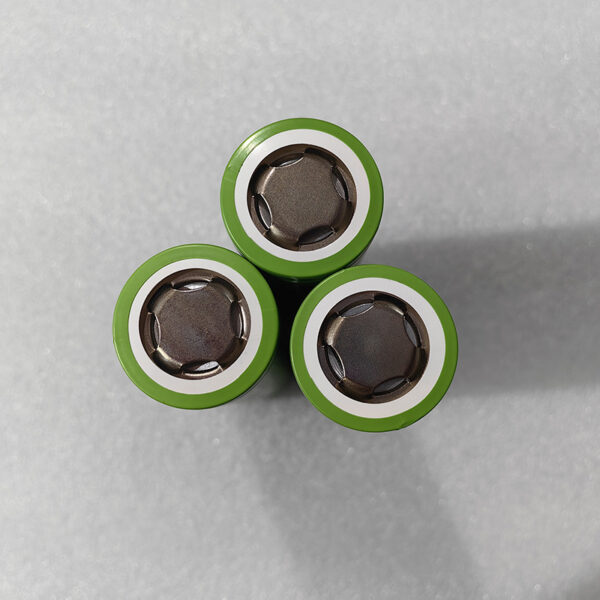
Complete Low MOQ Solution for EV Using High-Quality 18650 LFP Cells: Top 5 Problems & Solutions
The electric vehicle (EV) industry continues to evolve rapidly, with manufacturers increasingly seeking flexible battery solutions that balance performance, safety, and cost-effectiveness. For small to medium-scale EV projects, Low Minimum Order Quantity (MOQ) solutions using 18650 LFP (Lithium Iron Phosphate) cells have emerged as a practical choice. However, implementing these solutions comes with technical challenges. This article addresses the top five problems encountered when deploying 18650 LFP cells in EV applications and provides engineering-focused solutions.
Problem 1: Inconsistent Cell Performance Across Batches
Technical Analysis: LFP cells from different production batches may exhibit variations in capacity, internal resistance, and voltage profiles. This inconsistency can lead to uneven cell balancing within battery packs, reducing overall pack efficiency and lifespan.
Solution: Implement strict incoming quality control (IQC) protocols. Request detailed cell specification sheets including capacity tolerance (±2%), internal resistance ranges, and cycle life data. Work with manufacturers who provide batch traceability and consistent chemistry formulations. Advanced Battery Management Systems (BMS) with active balancing capabilities can mitigate minor variations during operation.
Problem 2: Thermal Management Challenges in High-Discharge Applications
Technical Analysis: While LFP chemistry offers superior thermal stability compared to NMC alternatives, high-discharge EV applications (3C-5C continuous) still generate significant heat. The cylindrical 18650 form factor presents unique thermal dissipation challenges due to limited surface area-to-volume ratios.
Solution: Design comprehensive thermal management systems incorporating liquid cooling plates or forced air circulation. Maintain cell operating temperatures between 15°C-45°C for optimal performance. Consider cell spacing of 2-3mm within modules to facilitate heat dissipation. Thermal interface materials (TIM) with conductivity above 3W/m·K should be applied between cells and cooling structures.
Problem 3: Limited Energy Density Compared to Alternative Chemistries
Technical Analysis: 18650 LFP cells typically deliver 160-180 Wh/kg at the cell level, translating to approximately 120-140 Wh/kg at pack level. This is lower than NMC-based solutions but offers compensating advantages in safety and cycle life.
Solution: Optimize pack design through structural efficiency. Utilize cell-to-pack (CTP) technologies where feasible, reducing non-active material weight. For range-critical applications, consider hybrid configurations combining LFP with higher-energy chemistries. Focus on vehicle weight reduction to compensate for battery mass.
Problem 4: BMS Compatibility and Communication Protocols
Technical Analysis: LFP cells have flatter voltage curves (3.2V nominal, 2.5V-3.65V operating range) compared to other lithium chemistries, making State of Charge (SOC) estimation more challenging. Standard BMS algorithms designed for NMC may produce inaccurate readings.
Solution: Deploy BMS systems specifically calibrated for LFP chemistry. Implement coulomb counting combined with open-circuit voltage (OCV) correlation for accurate SOC estimation. Ensure communication protocols (CAN Bus, RS485, or UART) match vehicle controller requirements. Regular firmware updates maintain calibration accuracy throughout the battery lifecycle.
Problem 5: Supply Chain Reliability and Lead Time Variability
Technical Analysis: Low MOQ orders often face longer lead times and less priority from large-scale manufacturers. Quality consistency may vary between suppliers, particularly for specialized cylindrical cell formats.
Solution: Partner with established manufacturers offering dedicated low-MOQ programs. Maintain strategic inventory buffers of 8-12 weeks based on production schedules. Diversify supplier relationships while maintaining consistent cell specifications across sources. Request pre-production samples for validation before full-scale orders.
Conclusion: Selecting the Right Manufacturing Partner
Successfully implementing 18650 LFP solutions for EV applications requires careful attention to technical specifications, quality control, and manufacturing partnerships. The problems outlined above can be effectively managed through proper engineering practices and reliable supply chain relationships.
For engineers and procurement professionals seeking dependable cylindrical battery cell solutions with flexible order quantities, working with experienced manufacturers is essential. Comprehensive product portfolios and technical support ensure project success from prototyping through mass production.
To explore available 18650 LFP cell options and discuss your specific EV battery requirements, visit our product catalog. For detailed information about manufacturing capabilities and quality certifications, review our battery manufacturers in China overview.
Ready to start your project? Contact our technical team for customized Low MOQ solutions tailored to your EV application needs. Our engineering support ensures optimal cell selection, pack design guidance, and reliable supply chain management for your battery projects.


