

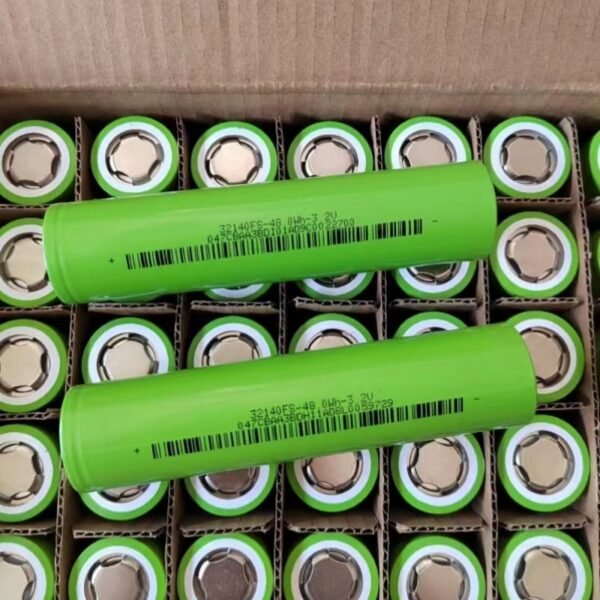
Complete Low MOQ Solution for E-bike Using High-Quality 18650 LFP Cells: 2026 Buyer’s Guide
The electric mobility revolution continues to accelerate in 2026, with e-bike manufacturers increasingly seeking flexible battery solutions that balance performance, safety, and cost-effectiveness. For small to medium-sized enterprises (SMEs) and startups, finding a reliable supplier offering low minimum order quantity (MOQ) without compromising cell quality remains a critical challenge. This comprehensive buyer’s guide explores how 18650 LFP (Lithium Iron Phosphate) cells deliver an optimal solution for e-bike applications while enabling accessible entry points for buyers worldwide.
Why 18650 LFP Cells Dominate the 2026 E-bike Market
LFP chemistry has emerged as the preferred choice for e-bike battery packs due to its exceptional thermal stability, extended cycle life, and enhanced safety profile compared to traditional NMC or NCA chemistries. The 18650 cylindrical format offers additional advantages including mature manufacturing processes, consistent quality control, and excellent heat dissipation characteristics.
Key Technical Advantages:
- Cycle Life: 2000-5000 full charge cycles at 80% depth of discharge
- Thermal Stability: Operating temperature range from -20°C to 60°C
- Safety: Minimal risk of thermal runaway even under abuse conditions
- Cost Efficiency: Lower cobalt dependency reduces material cost volatility
For engineers designing battery management systems (BMS), LFP’s flat voltage curve (3.2V nominal) requires precise monitoring but delivers predictable performance throughout the discharge cycle.
Understanding Low MOQ Requirements for E-bike Manufacturers
Traditional battery manufacturers often impose MOQs exceeding 10,000 cells, creating significant barriers for prototype development and small-batch production. However, the market landscape in 2026 has evolved to accommodate flexible ordering structures without sacrificing quality assurance.
Low MOQ Benefits:
- Reduced Capital Investment: Lower upfront costs for inventory
- Faster Time-to-Market: Accelerated prototype validation cycles
- Design Flexibility: Ability to iterate battery pack configurations
- Risk Mitigation: Minimized exposure to demand fluctuations
When evaluating suppliers, technical buyers should verify that low MOQ offerings maintain identical quality standards, testing protocols, and certification documentation as bulk orders. Reputable manufacturers provide comprehensive test reports including capacity verification, internal resistance measurements, and cycle life data for every batch.
Critical Selection Criteria for 18650 LFP Cell Procurement
1. Cell Specification Verification
Ensure cells meet standardized specifications including capacity tolerance (±3%), internal resistance consistency, and dimensional accuracy. Request detailed specification sheets covering electrical, mechanical, and environmental parameters.
2. Certification Compliance
Valid certifications including UN38.3, IEC62133, UL1642, and CE marking are non-negotiable for international shipments and regulatory compliance. Verify certificate authenticity through issuing bodies.
3. Manufacturing Traceability
Quality manufacturers maintain complete traceability from raw material sourcing through final cell assembly. Batch codes should enable tracking of production dates, equipment used, and quality control records.
4. Technical Support Availability
Access to application engineering support proves invaluable during pack design, BMS selection, and troubleshooting phases. Evaluate supplier responsiveness and technical competence during pre-sales interactions.
For buyers seeking verified cylindrical battery cell options with comprehensive technical documentation, explore available cylindrical battery cell solutions that meet international quality standards.
Integration Considerations for E-bike Battery Packs
Successful battery pack integration extends beyond cell selection. Engineers must account for mechanical design constraints, thermal management requirements, and electrical safety systems.
Pack Design Essentials:
- Cell Configuration: Series-parallel arrangements matching motor voltage requirements (36V, 48V, 52V common)
- BMS Selection: Protection features including overcharge, over-discharge, short circuit, and temperature monitoring
- Thermal Management: Passive cooling typically sufficient for LFP, but active cooling recommended for high-power applications
- Mechanical Protection: IP65 or higher rating for outdoor use, vibration resistance per ISO standards
Supplier Evaluation Framework
When identifying manufacturing partners, consider geographic location, production capacity, and quality management systems. China remains the dominant manufacturing hub for lithium battery cells, offering competitive pricing combined with mature supply chains. However, supplier vetting requires thorough due diligence including factory audits, reference customer verification, and sample testing programs.
Comprehensive resources for identifying qualified battery manufacturers in China can streamline the supplier selection process while ensuring compliance with international quality expectations.
2026 Market Outlook and Pricing Trends
LFP cell pricing has stabilized in 2026 following raw material market corrections. Current market rates for quality 18650 LFP cells range from $1.80-$2.50 per cell depending on capacity, order volume, and certification requirements. Low MOQ orders typically carry 15-25% premium compared to bulk pricing, though this remains cost-effective for development-stage projects.
Emerging trends include increased adoption of smart BMS integration, IoT-enabled battery monitoring, and second-life applications for retired e-bike packs. Forward-thinking buyers should evaluate suppliers’ roadmap alignment with these technology trajectories.
Conclusion: Making the Right Choice for Your E-bike Project
Selecting the appropriate 18650 LFP cell supplier requires balancing technical requirements, commercial terms, and long-term partnership potential. Low MOQ solutions enable market entry without excessive financial risk, provided quality standards remain uncompromised. Prioritize suppliers offering transparent communication, verified certifications, and responsive technical support.
For detailed consultation on cell selection, pack design, or custom manufacturing requirements, reach out through the official contact channel to connect with experienced battery engineering specialists who can guide your project from concept through production.
The e-bike industry’s continued growth presents significant opportunities for innovators who combine quality components with thoughtful engineering. By leveraging high-quality 18650 LFP cells through flexible procurement arrangements, manufacturers can accelerate development cycles while maintaining the performance and safety standards that end-users expect.
This guide reflects market conditions and technical standards as of March 2026. Specifications and pricing subject to change based on regional availability and order configurations.

