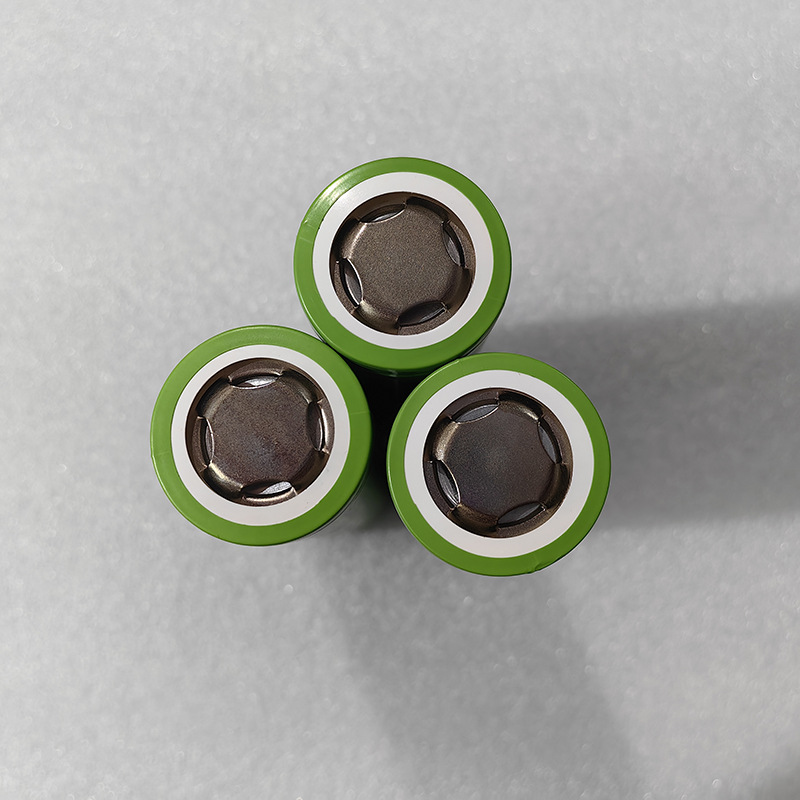
CNS BATTERY | 32150 Cylindrical Battery Cell Supplier: Technical Excellence for Industrial Applications
In the rapidly evolving landscape of industrial energy storage, selecting the right cylindrical battery cell supplier is critical for engineering teams and procurement specialists worldwide. CNS BATTERY has emerged as a trusted partner for 32150 cylindrical battery cells, delivering high-performance lithium-ion solutions tailored for demanding applications ranging from electric mobility to stationary energy storage systems.
Understanding the 32150 Cylindrical Battery Cell Specification
The 32150 designation follows the industry-standard cylindrical battery naming convention, where the first two digits indicate the diameter (32mm), the following three digits represent the length (150mm), and the final “0” denotes the cylindrical form factor. This larger form factor compared to common 18650 or 21700 cells provides significantly higher capacity and energy density, making it ideal for applications requiring extended runtime and robust power delivery.
From an electrochemical perspective, 32150 cells typically utilize lithium-ion chemistry with a nominal voltage of 3.6V-3.7V and charging cut-off voltage of 4.2V. The larger internal volume allows for increased electrode surface area and electrolyte capacity, resulting in enhanced energy storage capability while maintaining thermal stability during high-rate discharge cycles.
Core Technical Advantages of CNS BATTERY 32150 Cells
1. Superior Energy Density and Capacity
The 32150 form factor offers approximately 47% more volume compared to 21700 cells, enabling substantially higher capacity ratings. CNS BATTERY leverages advanced electrode coating technology and optimized cell design to maximize active material utilization. This translates to longer operational cycles between charges, reduced system complexity, and lower total cost of ownership for end users.
2. Enhanced Thermal Management
Cylindrical cells inherently provide better heat dissipation characteristics compared to prismatic or pouch alternatives. The 32150’s steel casing facilitates efficient thermal conduction, while CNS BATTERY’s internal cell design incorporates safety vents and thermal runaway prevention mechanisms. This is particularly crucial for high-power applications where temperature management directly impacts battery lifespan and safety compliance.
3. Consistent Quality and Manufacturing Precision
As a leading battery manufacturers in China, CNS BATTERY maintains stringent quality control protocols throughout the production process. Each 32150 cell undergoes comprehensive testing including capacity verification, internal resistance measurement, and cycle life validation. This ensures batch-to-batch consistency essential for pack assembly and BMS calibration.
Application Scenarios for 32150 Cylindrical Cells
The 32150 cylindrical battery cell finds optimal deployment in several high-demand sectors:
- Electric Two-Wheelers and Light EVs: Higher capacity reduces pack complexity while maintaining power output
- Portable Energy Storage Systems: Compact form factor enables modular system design
- Industrial Power Tools: Sustained high-current discharge capability
- Backup Power and UPS Applications: Long cycle life ensures reliable emergency power availability
- Marine and RV Applications: Robust construction withstands vibration and environmental stress
Technical Considerations for System Integration
When integrating 32150 cells into battery packs, engineering teams should account for several critical parameters. The discharge rate capability typically ranges from 1C to 5C continuous, with pulse discharge capabilities extending higher for specific applications. Operating temperature ranges generally span -20°C to 60°C, though optimal performance occurs between 15°C and 35°C.
Cell balancing becomes increasingly important as pack configuration scales. CNS BATTERY recommends implementing active or passive BMS solutions capable of monitoring individual cell voltage, temperature, and state-of-charge to maximize pack longevity and safety.
Why Partner with CNS BATTERY for 32150 Cell Supply
CNS BATTERY distinguishes itself through comprehensive technical support, flexible customization options, and reliable supply chain management. Our engineering team works directly with customers to optimize cell selection for specific application requirements, ensuring seamless integration from prototype to mass production.
For detailed product specifications and technical documentation, visit our cylindrical battery cell product page to explore the complete 32150 cell portfolio including capacity variants, chemistry options, and certification status.
Compliance and Certification
All CNS BATTERY 32150 cells comply with international safety standards including UN38.3, IEC62133, and CE marking requirements. Documentation packages include MSDS, test reports, and compliance certificates to facilitate global distribution and regulatory approval processes.
Conclusion
The 32150 cylindrical battery cell represents a strategic choice for applications demanding higher capacity without sacrificing the manufacturing advantages of cylindrical form factors. CNS BATTERY’s commitment to quality, technical excellence, and customer support makes us the preferred supplier for engineers and procurement professionals seeking reliable lithium-ion solutions.
For technical inquiries, customization requests, or partnership discussions, please contact CNS BATTERY directly. Our team is ready to support your project from initial specification through volume production, ensuring your energy storage requirements are met with precision and reliability.
Article prepared for engineering and procurement professionals seeking authoritative information on 32150 cylindrical battery cell technology and supply chain partnerships.