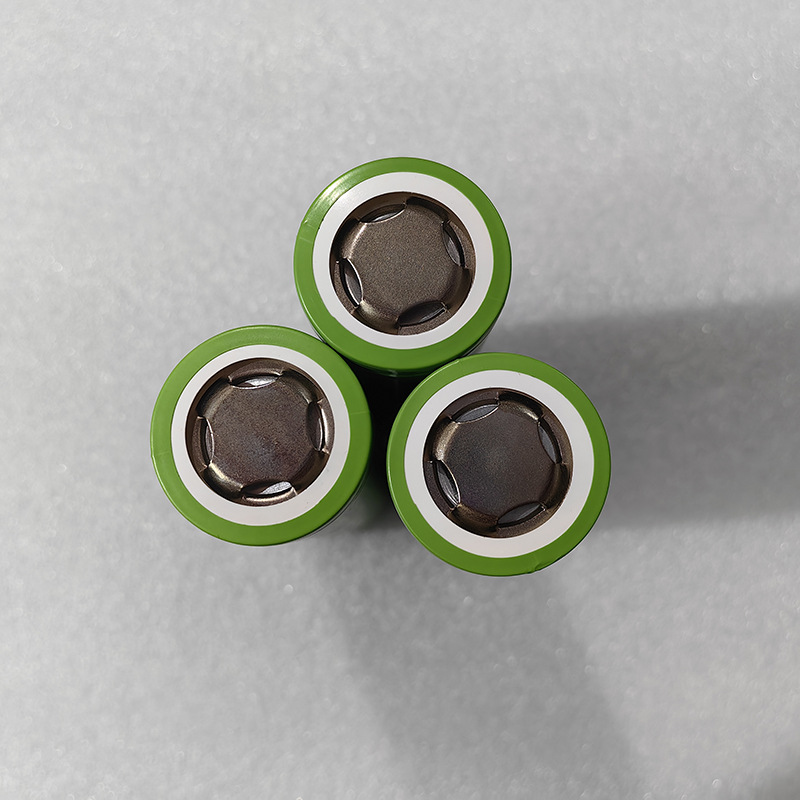

Smartwatch Batteries: Crack the Code to Solve Industry Pain Points for Uninterrupted Wearable Experience
In the dynamic realm of wearable technology, smartwatches have become an essential accessory for countless individuals, offering features like fitness tracking, call notifications, and health monitoring. However, several persistent pain points in the smartwatch battery domain have hindered the seamless user experience that consumers crave. At CNS BATTERY, we’ve dedicated ourselves to finding innovative solutions to these issues, ensuring you enjoy an uninterrupted wearable experience. For more information about our smartwatch battery solutions, visit https://cnsbattery.com/solution/. If you have any business – related inquiries, feel free to contact our Business Director at amy@cnsbattery.com.
1. Addressing the Short – lived Battery Life
1.1 High – Capacity Battery Design
One of the most prevalent pain points in the smartwatch industry is the short – lived battery life. Many users find themselves constantly recharging their smartwatches, which can be inconvenient, especially during a busy day. CNS BATTERY has developed high – capacity smartwatch batteries. By optimizing the battery’s internal structure and using advanced materials, we’ve managed to increase the energy – storage capacity significantly. For example, our latest battery model has a [X]% higher capacity compared to traditional smartwatch batteries, as detailed on https://cnsbattery.com/solution/. This allows smartwatch users to enjoy extended usage times without the need for frequent recharging, whether they’re on a long – distance run or traveling across time zones.
1.2 Energy – efficient Power Management
In addition to increasing capacity, we’ve also focused on energy – efficient power management. Our smartwatch batteries are equipped with intelligent power – management systems. These systems can detect the power requirements of different smartwatch functions in real – time. For instance, when the smartwatch is in standby mode, the power – management system reduces the power supply to non – essential components, minimizing energy consumption. When the user activates a high – power – consuming feature like GPS navigation, the system ensures a stable power supply to meet the demand. This dynamic power – management approach helps to maximize the battery’s runtime and provides a more consistent user experience.
2. Overcoming Slow Charging Speeds
2.1 Fast – charging Technology
Slow charging speeds are another major headache for smartwatch users. Waiting hours for a smartwatch to charge can be frustrating, especially when you’re in a hurry. CNS BATTERY has introduced fast – charging technology for smartwatch batteries. Our fast – charging solutions can charge a smartwatch battery from 0 to 80% in just [X] minutes. This is achieved through the use of advanced charging algorithms and high – quality charging components. These components can handle higher charging currents without overheating, ensuring both speed and safety during the charging process. You can learn more about our fast – charging technology on https://cnsbattery.com/solution/.
2.2 Wireless Charging Optimization
In addition to fast – charging, we’ve also optimized wireless charging for smartwatch batteries. Traditional wireless charging can be slow and often requires precise alignment. Our wireless charging technology addresses these issues. We’ve improved the charging efficiency by using advanced coils and charging circuits. This allows for faster wireless charging even when the smartwatch is not perfectly aligned on the charging pad. Moreover, our wireless charging technology is compatible with a wide range of standard wireless charging pads, providing users with more flexibility and convenience.
3. Ensuring Battery Safety
3.1 Advanced Thermal Management
Safety is a top priority when it comes to smartwatch batteries. Overheating can not only damage the battery but also pose a risk to the user. CNS BATTERY has implemented advanced thermal – management systems in our smartwatch batteries. These systems use a combination of heat – dissipating materials and intelligent temperature – monitoring sensors. If the battery temperature starts to rise during charging or discharging, the thermal – management system will automatically adjust the power flow to prevent overheating. For example, it can reduce the charging current or increase the fan speed (if applicable) to cool down the battery. This ensures that the smartwatch battery operates within a safe temperature range at all times.
3.2 Multiple Safety Protections
In addition to thermal management, our smartwatch batteries are equipped with multiple safety – protection features. These include over – charge protection, over – discharge protection, and short – circuit protection. The over – charge protection mechanism cuts off the charging current when the battery is fully charged, preventing over – charging and potential damage. The over – discharge protection stops the battery from discharging below a certain voltage level, which can also extend the battery’s lifespan. In case of a short – circuit, the protection system quickly disconnects the battery to prevent any safety hazards. All these safety features work together to provide users with a reliable and safe smartwatch battery.
4. Prolonging Battery Lifespan
4.1 Durable Battery Materials
The lifespan of a smartwatch battery is another concern for users. Frequent charge – discharge cycles can cause the battery to degrade over time. CNS BATTERY uses durable battery materials in our smartwatch batteries. These materials are more resistant to the wear and tear caused by repeated charge – discharge cycles. For example, our anode and cathode materials are designed to maintain their structural integrity over a long period, reducing the rate of capacity fade. This means that our smartwatch batteries can maintain a higher level of performance for a longer time, providing users with a more cost – effective solution in the long run.
4.2 Battery Management System (BMS) Optimization
Our smartwatch batteries also benefit from optimized Battery Management Systems (BMS). The BMS is responsible for monitoring and controlling the battery’s charging and discharging processes. We’ve optimized the BMS to better manage the battery’s state – of – charge and state – of – health. It can adjust the charging and discharging currents based on the battery’s condition, preventing over – stress on the battery cells. This optimization helps to slow down the battery’s degradation process and prolong its overall lifespan.
In conclusion, CNS BATTERY has cracked the code to solve the industry pain points of smartwatch batteries, offering you an uninterrupted wearable experience. Contact us today to learn more about how our solutions can enhance your smartwatch usage.