Top 5 High Discharge Rate Problems with 38121 Cells in Solar Storage Applications & Solutions OEM Custom Solutions
Introduction
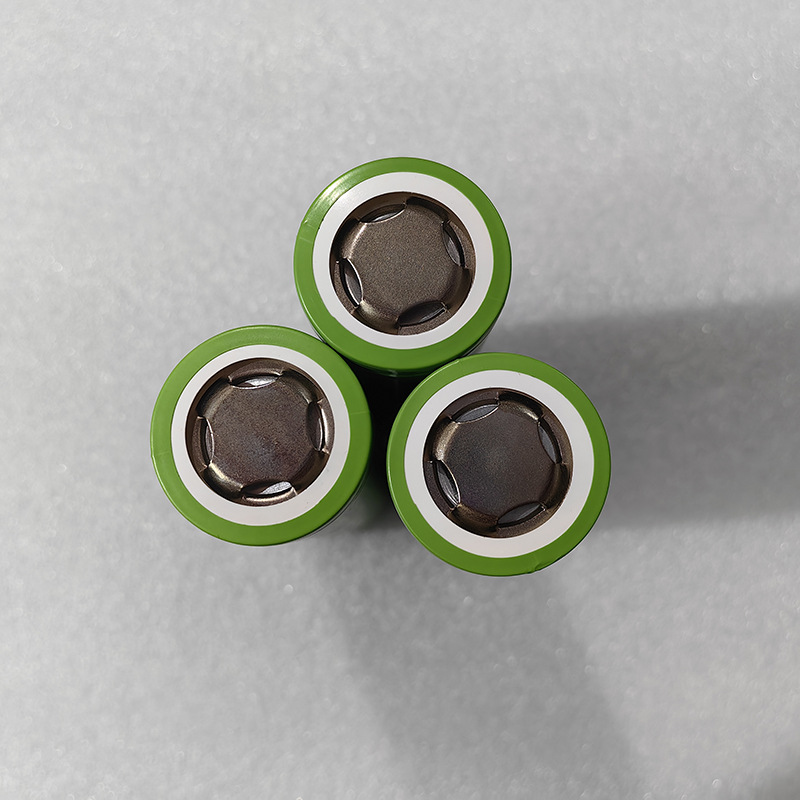
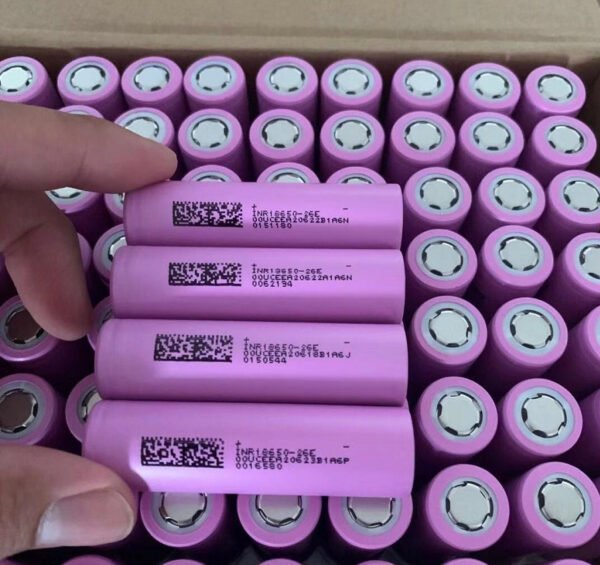
The 38121 cylindrical LiFePO4 battery cell has emerged as a popular choice for solar energy storage systems, offering a balance between capacity (typically 10-15Ah) and power density. However, when deployed in high discharge rate applications, these cells face specific technical challenges that OEMs and system integrators must address. This article examines the top five high discharge rate problems and provides practical OEM custom solutions for solar storage applications.
Problem 1: Thermal Runaway Risk at High C-Rates
Technical Analysis: During high discharge rates (3C-5C+), 38121 cells generate significant internal heat due to increased internal resistance. The cylindrical form factor, while offering structural advantages, can create heat concentration in the cell core. Research shows that temperatures exceeding 45°C accelerate degradation, while temperatures above 60°C pose safety risks.
OEM Solution: Implement hybrid thermal management systems combining phase change materials (PCM) with finned liquid cooling plates. Our cylindrical battery cell solutions integrate advanced thermal management designs that maintain optimal operating temperatures even at 5C discharge rates.
Problem 2: Voltage Sag and Power Delivery Inconsistency
Technical Analysis: High discharge rates cause significant voltage sag in 38121 cells, particularly when cell quality varies. This affects inverter efficiency and can trigger premature low-voltage cutoffs. The voltage drop is directly related to internal resistance, which increases with cell aging and temperature variations.
OEM Solution: Specify A-grade cells with consistent internal resistance (≤15mΩ). Implement active cell balancing in BMS design and consider parallel configurations to distribute load. Work with established battery manufacturers in China who provide detailed cell matching data and performance guarantees.
Problem 3: Accelerated Cycle Life Degradation
Technical Analysis: Continuous high discharge operation significantly reduces cycle life. Standard 38121 cells rated for 6000 cycles at 1C may only achieve 2000-3000 cycles at 3C+ discharge rates. The degradation mechanisms include SEI layer growth, lithium plating, and electrode material fatigue.
OEM Solution: Derate capacity expectations for high discharge applications. Specify cells designed for power applications rather than energy applications. Implement smart charging algorithms that avoid high-current charging after high-current discharge. Consider oversizing battery capacity by 20-30% to reduce effective C-rate during operation.
Problem 4: Cell-to-Cell Variation and Pack Imbalance
Technical Analysis: In large solar storage installations, cell-to-cell variations become magnified under high discharge conditions. Even 5% capacity variation can lead to significant pack imbalance, reducing overall system capacity and creating safety concerns. Temperature gradients across the pack exacerbate this issue.
OEM Solution: Require strict cell matching specifications (capacity ±2%, internal resistance ±3%, voltage ±5mV). Implement modular pack design with individual module monitoring. Choose BMS systems with active balancing capabilities and temperature monitoring at multiple points. For critical applications, consider our OEM custom solutions available through contact.
Problem 5: Compliance and Certification Challenges
Technical Analysis: Solar storage systems with high discharge rate batteries face stringent regulatory requirements across different markets. UL 1973, IEC 62619, and UN 38.3 certifications are mandatory for most commercial installations. High discharge applications may require additional testing and documentation.
OEM Solution: Partner with manufacturers who maintain comprehensive certification portfolios. Ensure all cells and pack designs have relevant certifications for target markets. Document thermal management performance and safety test results. Maintain traceability for all components to facilitate compliance audits.
Procurement Best Practices for OEMs
When sourcing 38121 cells for high discharge solar storage applications, consider these key points:
- Quality Verification: Request third-party test reports confirming discharge performance at rated C-rates
- Warranty Terms: Ensure warranty covers high discharge applications with clear degradation thresholds
- Supply Chain Stability: Verify manufacturer production capacity and raw material sourcing
- Technical Support: Confirm availability of engineering support for custom pack design
- Lead Time: Account for 8-12 week production cycles for custom specifications
Conclusion
The 38121 cylindrical cell offers compelling advantages for solar storage applications, but high discharge rate deployments require careful engineering and quality control. By understanding these five critical problems and implementing appropriate OEM custom solutions, system integrators can maximize performance, safety, and return on investment. Partner with experienced manufacturers who understand the unique demands of solar storage applications and can provide comprehensive technical support throughout the product lifecycle.
For detailed specifications and custom solution discussions, reach out to our engineering team through our official contact channels.