Best 33140 LiFePO4 Lithium Cells for E-bike: Minimal UN38.3 Certification B2B Export Certified
The global e-bike industry continues its explosive growth in 2026, with manufacturers demanding reliable, certified battery solutions that meet stringent international transport regulations. For B2B buyers sourcing cylindrical lithium cells, the 33140 LiFePO4 battery represents an optimal balance of capacity, safety, and compliance. This article provides essential technical insights for procurement professionals evaluating UN38.3-certified cells for e-bike applications.
Why 33140 LiFePO4 Cells Lead E-bike Battery Selection
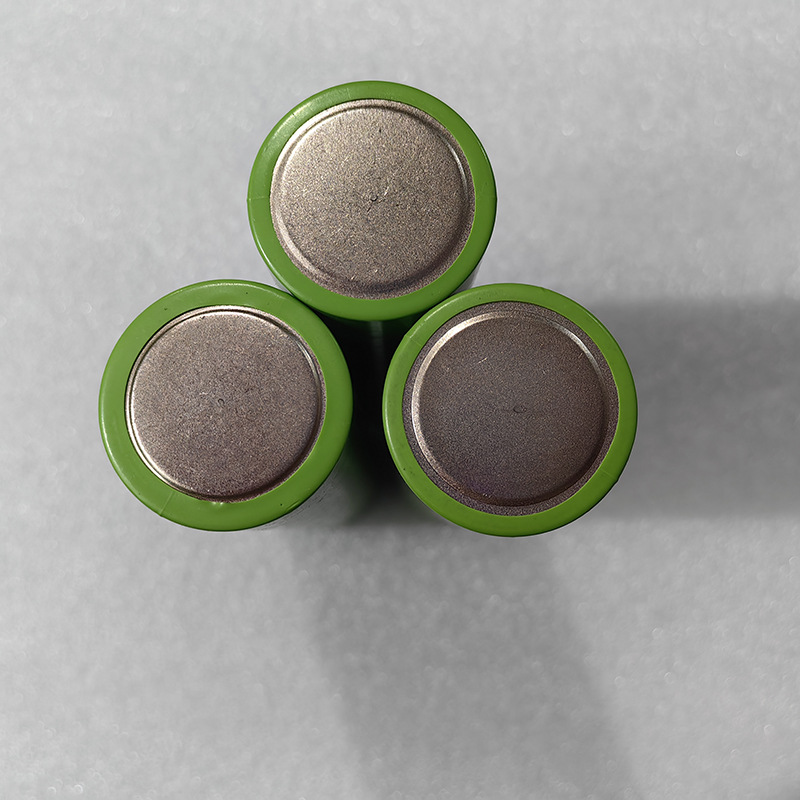
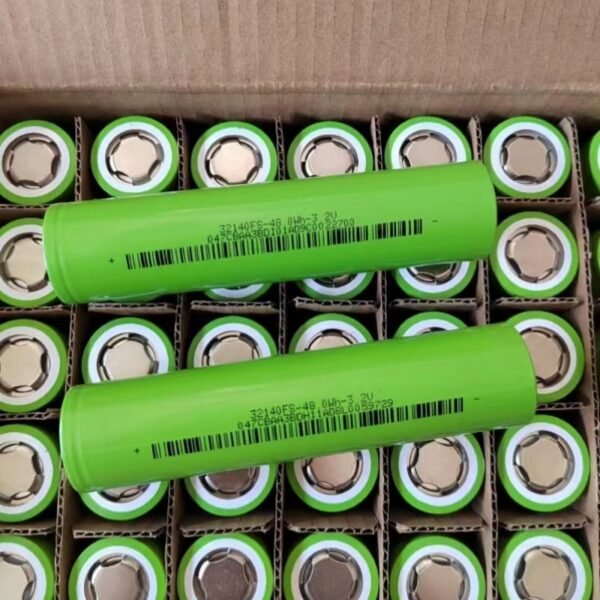
The 33140 cylindrical form factor (33mm diameter × 140mm length) delivers approximately 15Ah nominal capacity at 3.2V-3.6V operating voltage, making it ideal for modular e-bike battery pack configurations. Key technical specifications include:
- Internal Resistance: ≤2.5mΩ, ensuring efficient power delivery
- Cycle Life: 3,000+ cycles at 80% DOD, exceeding industry standards
- Thermal Stability: LiFePO4 chemistry provides superior safety margins compared to NMC alternatives
- Operating Temperature: -20°C to 60°C, suitable for diverse climate conditions
For manufacturers building 36V, 48V, or 52V e-bike systems, the 33140 cell enables flexible series-parallel configurations while maintaining consistent performance across temperature variations. Explore our full range of cylindrical battery cells for detailed specifications.
UN38.3 Certification: The Non-Negotiable Export Requirement
UN38.3 certification remains the cornerstone of international lithium battery transport compliance. According to 2025-2026 regulatory updates, all lithium cells destined for export must pass eight mandatory safety tests:
- Altitude Simulation: 11.6kPa low-pressure testing for 6 hours
- Thermal Cycling: -40°C to +75°C temperature extremes
- Vibration Testing: Simulating transport conditions
- Mechanical Shock: 150g impact resistance
- External Short Circuit: 55°C environmental testing
- Impact/Crush Testing: Structural integrity validation
- Overcharge Testing: 2C charging rate safety verification
- Forced Discharge: Reverse polarity protection assessment
Critical Update for 2026: UN38.3 standards now require module-level testing in addition to cell-level certification. Buyers must verify that suppliers provide documentation covering both individual cells and assembled battery packs. Failure to maintain current certification can result in customs seizures, with 2024 data showing 65% of lithium battery export rejections stemmed from documentation non-compliance.
B2B Procurement Checklist for Certified 33140 Cells
Professional buyers should verify the following before finalizing supplier agreements:
Documentation Requirements
- Current UN38.3 test report (within 2-3 year validity period)
- MSDS (Material Safety Data Sheet) with complete chemical composition
- Transport Classification Report for air/sea freight
- CE, RoHS, and relevant regional certifications
Technical Verification
- Batch-level quality control records
- Capacity grading consistency (±3% tolerance recommended)
- Self-discharge rate specifications (<3% per month at 25°C)
- Welding compatibility data for pack assembly
Supply Chain Considerations
- Minimum order quantities aligned with production schedules
- Lead time commitments with penalty clauses
- Traceability systems for quality recalls
- After-sales technical support availability
Partnering with established battery manufacturers in China ensures access to vertically integrated supply chains with consistent quality control protocols.
Cost Optimization Without Compromising Compliance
While UN38.3 certification adds approximately 8-12 working days to production timelines, the investment protects against far costlier shipment rejections. Strategic approaches include:
- Consolidated Testing: Request multi-model certification covering cell variants
- Forward Planning: Maintain 6-month certification buffers before expiration
- Supplier Audits: Verify testing laboratory accreditations (CNAS+ILAC dual qualification preferred)
- Documentation Management: Centralize certification records for rapid customs clearance
Technical Support and Partnership
Leading suppliers provide more than certified products—they offer comprehensive technical partnership including pack design consultation, BMS integration guidance, and regulatory update notifications. For procurement teams evaluating 33140 LiFePO4 cells, direct manufacturer engagement accelerates qualification processes and reduces integration risks.
Contact our technical team at https://cnsbattery.com/contact-2/ for customized quotations, sample requests, and certification documentation review. Our engineering staff supports B2B clients through complete product qualification cycles, from initial specification validation through mass production ramp-up.
Conclusion: Certification as Competitive Advantage
In 2026’s regulated e-bike market, UN38.3 certification transforms from compliance burden to competitive differentiator. Buyers specifying 33140 LiFePO4 cells with complete documentation gain faster market access, reduced logistics risks, and enhanced brand credibility. The minimal investment in proper certification yields substantial returns through streamlined global distribution and customer confidence.
For manufacturers scaling e-bike production, partnering with certified cell suppliers represents strategic infrastructure—not merely component sourcing. Prioritize suppliers maintaining current UN38.3 documentation, transparent quality systems, and responsive technical support to build sustainable competitive advantages in the rapidly evolving electric mobility sector.