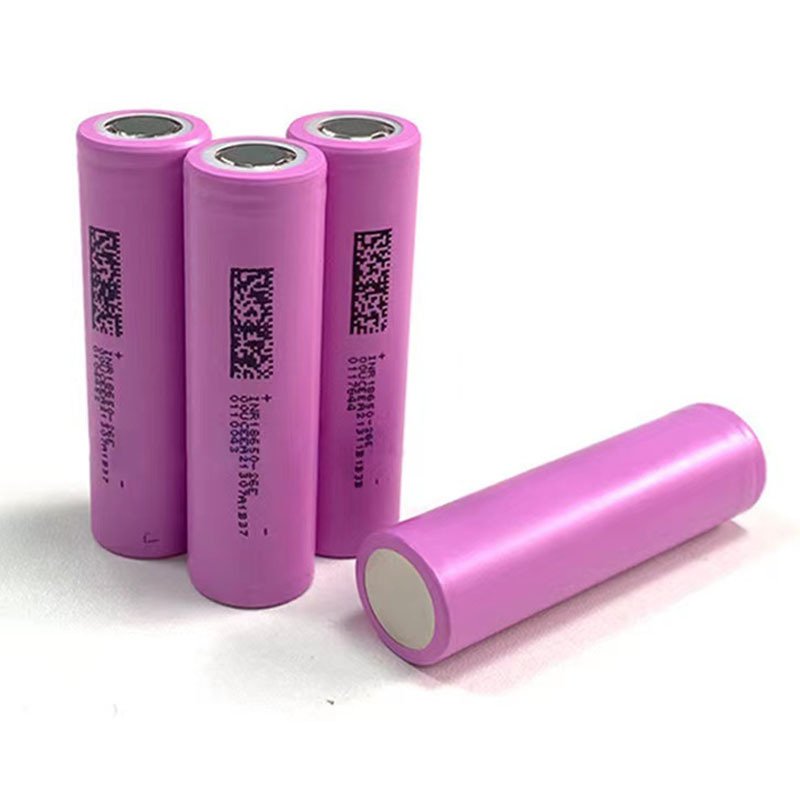
Decoding the 60130 Battery Cell: Industrial Applications & Technical Insights
In the rapidly evolving landscape of industrial energy storage, cylindrical lithium-ion batteries remain the backbone of high-performance applications. While the 18650 and 21700 formats dominate consumer electronics and power tools, the industrial sector often demands more robust solutions. The 60130 Battery Cell represents a specific niche in this market, designed for heavy-duty discharge and extended cycle life. As global supply chains tighten and energy efficiency becomes a competitive advantage, understanding the technical specifications and bulk procurement strategies for these cells is crucial for OEMs and system integrators.
This article explores the technical profile of the 60130 format, compares it with standard industrial cells, and provides insights into optimizing bulk wholesale pricing.
Technical Profile: What is a 60130 Battery?
The nomenclature of lithium-ion cells follows a standardized format. The designation “60130” refers to the physical dimensions of the cylindrical cell:
- 60: Indicates a diameter of approximately 60mm.
- 130: Indicates a height (length) of approximately 130mm.
This places the 60130 in a category distinct from the common 18650 (18mm x 65mm) or 21700 (21mm x 70mm) cells. It belongs to the “Large Format Cylindrical” category, similar in size philosophy to the 32650 (32mm x 65mm) but significantly larger in volume.
Key Technical Characteristics:
- High Capacity: Due to the massive internal volume, these cells typically offer capacities ranging from 6,000mAh to 10,000mAh or higher, depending on the cathode chemistry (often LiFePO4 or NMC).
- High Discharge Current: The large surface area and robust internal structure allow for high continuous discharge rates, making them suitable for Electric Vehicles (EVs), Heavy-Duty Power Tools, and Industrial UPS systems.
- Thermal Management: The geometry offers a favorable surface-area-to-volume ratio, facilitating better heat dissipation compared to pouch cells of similar capacity, which is critical for industrial safety.
60130 vs. Standard Industrial Formats
To understand the value proposition of the 60130, it is essential to compare it with established industrial standards. The following table outlines the comparison between the 60130, the 32700 (a popular large format), and the 21700 (a high-density standard).
| Feature | 60130 (Large Format) | 32700 (C-Series) | 21700 (M-Series) |
|---|---|---|---|
| Dimensions | 60mm x 130mm | 32mm x 70mm | 21mm x 70mm |
| Typical Capacity | 6,000mAh – 10,000mAh+ | 5,000mAh – 6,000mAh | 3,000mAh – 5,500mAh |
| Primary Use Case | Heavy Machinery, Large ESS | E-Bikes, Power Tools, Small ESS | EVs, Laptops, Power Tools |
| Pack Integration | Lower cell count, complex mechanical support | Balanced pack density | High pack density, complex BMS |
| Wholesale Cost Structure | High per-unit cost, lower integration cost | Moderate cost, standard logistics | Low per-unit cost, high integration volume |
Analysis: The 60130 is not a direct competitor to the 21700 but rather a solution for applications where minimizing the number of cells in a parallel configuration is beneficial. Fewer cells mean fewer welding points and potentially higher system-level reliability, albeit at the cost of physical weight and logistical handling.
Optimizing Bulk Wholesale Pricing Strategy
Purchasing 60130 cells in bulk requires a strategic approach different from standard consumer cells. These are specialized components, and pricing is heavily influenced by Minimum Order Quantities (MOQs) and customization requirements.
1. Standard vs. Custom Specifications
The most significant factor in pricing is whether you require a standard specification cell or a customized solution. Standard cells (e.g., a generic 60130 LiFePO4) have lower barriers to entry. However, industrial applications often require specific ** discharge curves, operating temperature ranges (-20°C to 60°C), or custom tab configurations**. Customization adds to the Non-Recurring Engineering (NRE) costs but ensures optimal performance for your specific machinery.
2. Supply Chain Transparency and MOQ
Unlike retail markets, the industrial B2B market operates on strict MOQs. To secure the best bulk wholesale price, buyers must demonstrate stable demand. Furthermore, supply chain transparency is no longer a luxury but a compliance requirement. Buyers must verify that manufacturers adhere to ISO standards and international shipping regulations for Lithium batteries (e.g., IATA DGR).
3. Total Cost of Ownership (TCO)
When evaluating price, industrial buyers should shift focus from the “Price per Piece” to the “Total Cost of Ownership.” A slightly more expensive cell with a longer cycle life (e.g., 3000+ cycles vs. 1500 cycles) or higher thermal stability reduces the lifetime replacement costs and maintenance downtime, offering superior value in the long run.
The CNS BATTERY Advantage in Industrial Supply
Navigating the complexities of the Chinese manufacturing landscape requires a partner with proven engineering capabilities and global compliance standards. CNS BATTERY stands as a leading Lithium-ion cylindrical battery manufacturer in China, offering solutions tailored for the rigorous demands of international industrial markets.
1. Engineering-Grade Solutions
CNS BATTERY does not merely sell cells; they provide customizable solutions. For applications requiring the 60130 format or similar large-scale industrial power, CNS offers R&D support to tailor the cell chemistry and mechanical design to your specific application, whether it is for Energy Storage Systems (ESS), Electric Bicycles, or Commercial Power Applications. Their focus on “Every battery is a masterpiece of craftsmanship” translates into rigorous quality control and high energy density outputs.
2. Global Compliance and Support
Understanding regional regulations is critical for B2B buyers. CNS BATTERY ensures that their products meet international safety and environmental standards, facilitating smoother customs clearance and market entry in Europe, North America, and Australia. Their commitment to integrity and transparency is backed by a dedicated audit department, ensuring ethical manufacturing practices.
3. Direct Manufacturer Access
By partnering directly with CNS BATTERY, industrial buyers eliminate intermediary markups. This direct access allows for competitive bulk wholesale pricing structures that scale with order volume. Whether you need a standard catalog item or a fully customized cylindrical cell, CNS provides the technical documentation and logistical support required for large-scale procurement.
Conclusion
The 60130 Battery Cell represents a powerful solution for industries requiring high energy density in a manageable cylindrical format. While the upfront cost and logistical considerations differ from smaller formats, the performance benefits for heavy-duty applications are undeniable.
For B2B buyers seeking reliability, customization, and competitive pricing, partnering with an established manufacturer like CNS BATTERY mitigates the risks associated with sourcing industrial components from overseas. By focusing on technical specifications, supply chain compliance, and lifecycle value, businesses can optimize their energy storage solutions for maximum efficiency.
Ready to optimize your industrial power supply? Explore the comprehensive range of cylindrical battery cells and request a customized quote for your specific application.
- Explore our Cylindrical Battery Range: Cylindrical Battery Cell Products
- Contact our Industrial Sales Team: Contact CNS BATTERY
- Learn more about our Manufacturing Capabilities: Battery Manufacturers in China