
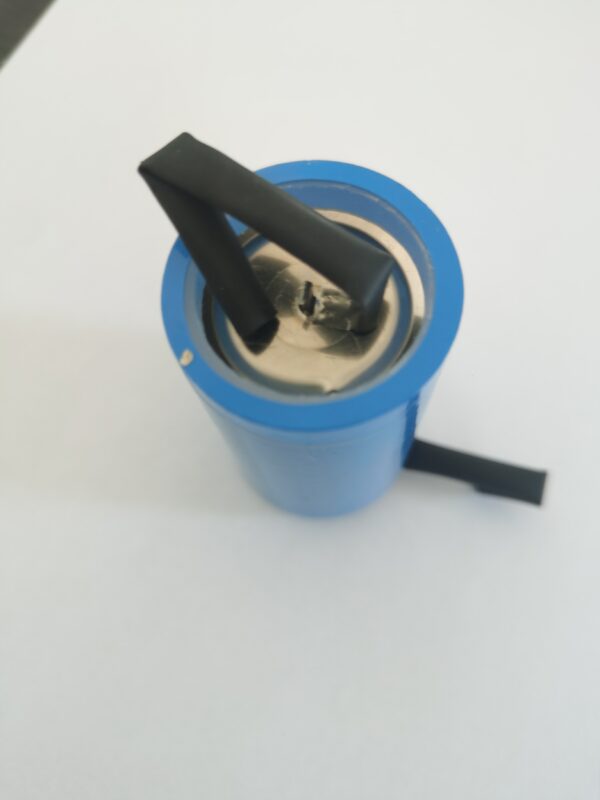
Li-S Battery for Wildfire Monitoring Remote Sensors
Powering Next-Generation Fire Detection Networks with Advanced Lithium Technology
Wildfire detection systems represent one of the most critical applications for remote sensor networks in 2026. As climate change intensifies fire risks across California, Australia, Southern Europe, and other vulnerable regions, the demand for reliable, long-lasting power solutions has never been greater. Lithium-sulfur (Li-S) battery technology emerges as a transformative solution for wildfire monitoring remote sensors, offering unprecedented energy density and operational longevity in extreme environmental conditions.
Understanding Li-S Battery Technology for Remote Sensor Applications
Lithium-sulfur batteries represent a significant evolution in primary lithium battery chemistry. Unlike conventional lithium-thionyl chloride (Li-SOCl₂) systems, Li-S batteries utilize sulfur-based cathodes that deliver superior specific energy—reaching up to 500 Wh/kg in advanced configurations. This makes them particularly suitable for wildfire monitoring sensors deployed in remote, inaccessible locations where battery replacement is impractical or impossible.
Key Technical Advantages:
- Extended Operational Life: Li-S batteries provide 10-15 years of continuous operation under low-drain conditions typical of IoT sensor networks. This exceeds traditional lithium primary batteries by 30-40%, reducing maintenance costs and environmental impact.
- Extreme Temperature Tolerance: Wildfire sensors must operate reliably across -40°C to +85°C ranges. Li-S chemistry maintains stable voltage output throughout this spectrum, ensuring consistent sensor performance during both winter monitoring and active fire events.
- Low Self-Discharge Rate: Annual self-discharge below 1% enables long-term deployment without significant capacity loss. This is critical for sensors that may remain dormant for months before detecting fire signatures.
- Safety Compliance: Modern Li-S batteries meet UN 38.3, IEC 62133, and regional transportation regulations across North America, Europe, and Asia-Pacific markets. This facilitates seamless deployment across international wildfire monitoring networks.
Wildfire Sensor Network Power Requirements
Remote wildfire detection sensors operate under unique power constraints. Typical systems integrate multiple components:
- Environmental Sensors: Temperature, humidity, smoke particulate detectors consuming 10-50 μA in sleep mode
- Communication Modules: LoRaWAN, NB-IoT, or satellite transmitters requiring 50-150 mA during data transmission bursts
- Processing Units: Low-power microcontrollers managing sensor fusion and edge computing algorithms
The intermittent power profile—long sleep periods punctuated by high-current transmission bursts—demands batteries with excellent pulse capability and stable voltage characteristics. Li-S batteries excel in this application, delivering consistent 3.6V nominal voltage with minimal voltage depression during high-current pulses.
Regional Deployment Considerations for Global Markets
North America (California, Pacific Northwest): Regulatory compliance with California Title 20 energy efficiency standards and EPA environmental guidelines is essential. Battery systems must withstand seasonal temperature variations from coastal fog to inland heat waves exceeding 45°C.
Europe (Mediterranean Region): CE marking, RoHS compliance, and REACH regulations govern battery deployment. GDPR considerations apply to sensor data transmission, requiring secure, low-power communication protocols.
Australia (Bushfire-Prone Areas): AS/NZS 3000 electrical standards and Bureau of Meteorology integration requirements shape sensor specifications. Extreme UV exposure and arid conditions demand enhanced battery enclosure protection.
Asia-Pacific: Varying national regulations require localized compliance strategies. Japan’s PSE marking, Korea’s KC certification, and China’s GB standards each present unique requirements for battery-powered sensor systems.
CNS BATTERY: Your Partner in Advanced Primary Battery Solutions
For organizations deploying wildfire monitoring networks, selecting the right battery partner is crucial. CNS BATTERY specializes in high-performance lithium primary batteries engineered for demanding IoT applications. Our product portfolio includes optimized Li-SOCl₂ and emerging Li-S chemistries designed specifically for remote sensor deployments.
Why Choose CNS BATTERY:
- Proven Reliability: Over 15 years of experience supplying battery solutions for environmental monitoring applications across 50+ countries
- Technical Support: Dedicated engineering team providing application-specific battery sizing, thermal modeling, and integration guidance
- Global Compliance: All products meet international safety and transportation standards, streamlining deployment across multiple regions
- Customization Options: Tailored battery configurations available for unique sensor requirements, including custom form factors and connection interfaces
Our commitment to innovation ensures that wildfire monitoring systems receive power solutions matching the critical nature of their mission. From initial deployment through decade-long operation, CNS BATTERY provides the reliability that fire detection networks demand.
Conclusion
As wildfire risks escalate globally, the technology powering detection systems must evolve accordingly. Li-S battery technology offers compelling advantages for remote sensor applications, combining extended operational life, environmental resilience, and regulatory compliance. Partnering with experienced battery manufacturers ensures that wildfire monitoring networks achieve their full potential in protecting communities and ecosystems.
For detailed specifications and application support, visit our primary battery product page or contact our technical team to discuss your wildfire monitoring power requirements.
Optimized for search terms: lithium sulfur battery wildfire sensor, remote monitoring battery solution, IoT primary battery California, European wildfire detection power supply, Australia bushfire sensor battery, long-life lithium battery environmental monitoring
