

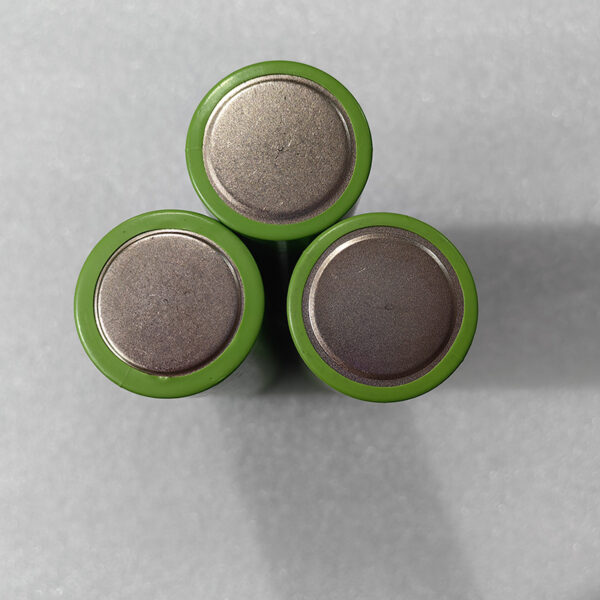
Factory Direct 60130 Li-ion Cells China Export: No High Energy Density for Solar Storage Projects OEM Custom Solutions
In the rapidly evolving landscape of renewable energy infrastructure, technical procurement managers and system engineers face a critical decision: selecting the right cell chemistry and form factor for stationary solar storage. A recurring topic in recent industry discussions involves the 60130 Li-ion cylindrical cell. While some specifications may indicate “No High Energy Density” compared to premium automotive-grade NCM pouch cells, this characteristic is often a strategic advantage rather than a limitation for stationary applications. This article provides a technical analysis of factory-direct 60130 cells exported from China, focusing on their suitability for solar storage projects, OEM customization capabilities, and the real-world trade-offs between energy density, cycle life, and safety.
Understanding the 60130 Cell Form Factor
The 60130 designation refers to a large-format cylindrical battery cell, with dimensions approximately 60mm in diameter and 130mm in height. Unlike the ubiquitous 18650 or 21700 cells found in consumer electronics, the 60130 is designed for industrial energy storage systems (ESS).
When evaluating datasheets, engineers may notice that the gravimetric energy density (Wh/kg) is lower than that of high-nickel cathode cells. This is primarily because large cylindrical cells intended for stationary storage often utilize Lithium Iron Phosphate (LFP) chemistry or stable NCM blends. LFP chemistry inherently offers lower energy density but compensates with superior thermal stability, longer cycle life, and reduced risk of thermal runaway. For solar storage projects where weight is not a primary constraint (unlike in electric vehicles), prioritizing safety and longevity over compact energy density is a technically sound decision.
For detailed specifications on available cylindrical formats, engineers should review the technical catalogs at https://cnsbattery.com/products-3/cylindrical-battery-cell/.
Why Energy Density is Not the Priority for Solar ESS
In stationary solar storage, the Levelized Cost of Storage (LCOS) is the key metric, not energy density. High energy density cells often require complex Battery Management Systems (BMS) to manage heat and degradation, increasing system costs.
- Cycle Life: LFP-based 60130 cells typically offer 4,000 to 6,000 cycles at 80% Depth of Discharge (DoD). This translates to over 10 years of daily cycling, which is critical for ROI in solar projects.
- Thermal Management: The cylindrical form factor allows for efficient air or liquid cooling channels between cells. The robust steel casing of the 60130 provides mechanical strength, reducing the need for heavy external containment.
- Safety: In large-scale installations, safety is paramount. The chemical stability of lower-density chemistries reduces the risk of fire, lowering insurance premiums and compliance hurdles.
The Advantage of Factory Direct OEM Custom Solutions
Sourcing directly from manufacturers in China offers significant advantages for system integrators. However, the market is saturated with traders posing as factories. True OEM custom solutions require direct collaboration with the engineering team to tailor voltage, capacity, and BMS communication protocols (such as RS485 or CANbus) to specific inverter requirements.
When partnering with a factory direct supplier, procurement teams can request:
- Custom Terminal Designs: To fit specific busbar configurations.
- Tailored Capacity Binning: Ensuring consistency across large packs.
- Private Labeling: For brand alignment in distributed markets.
Finding a reliable partner is crucial. A comprehensive list of verified https://cnsbattery.com/battery-manufacturers-in-china/ can help technical buyers distinguish between genuine production facilities and trading intermediaries. Genuine manufacturers will provide full traceability of cell batches and support third-party testing.
Technical Integration and Compliance
Integrating 60130 cells into a battery pack requires precise welding and assembly processes. The large surface area of the 60130 cell facilitates efficient heat dissipation but requires careful attention to connection resistance. System designers must ensure that the pack design complies with international standards such as IEC 62619 and UL 1973.
Furthermore, exporting these cells requires adherence to UN 38.3 transportation regulations. Reputable Chinese exporters handle the dangerous goods documentation, ensuring smooth logistics to Europe, North America, or Australia. For specific inquiries regarding compliance documentation and shipping logistics, technical teams are encouraged to reach out directly via https://cnsbattery.com/contact-2/.
Conclusion: Balancing Performance and Cost
The narrative that 60130 Li-ion cells lack “High Energy Density” should not deter solar project developers. Instead, it highlights a focused engineering choice: optimizing for cycle life, safety, and cost-efficiency rather than weight reduction. For stationary solar storage, this trade-off results in a more reliable and economically viable system over its lifetime.
By leveraging factory-direct OEM solutions, engineers can secure cells that are perfectly matched to their system architecture, avoiding the inefficiencies of off-the-shelf generic packs. As the global demand for renewable storage grows, the transparency and customization offered by direct manufacturing partnerships will become the standard for successful project deployment. Technical buyers are advised to prioritize long-term performance metrics over peak energy density specifications when designing the next generation of solar energy storage systems.

