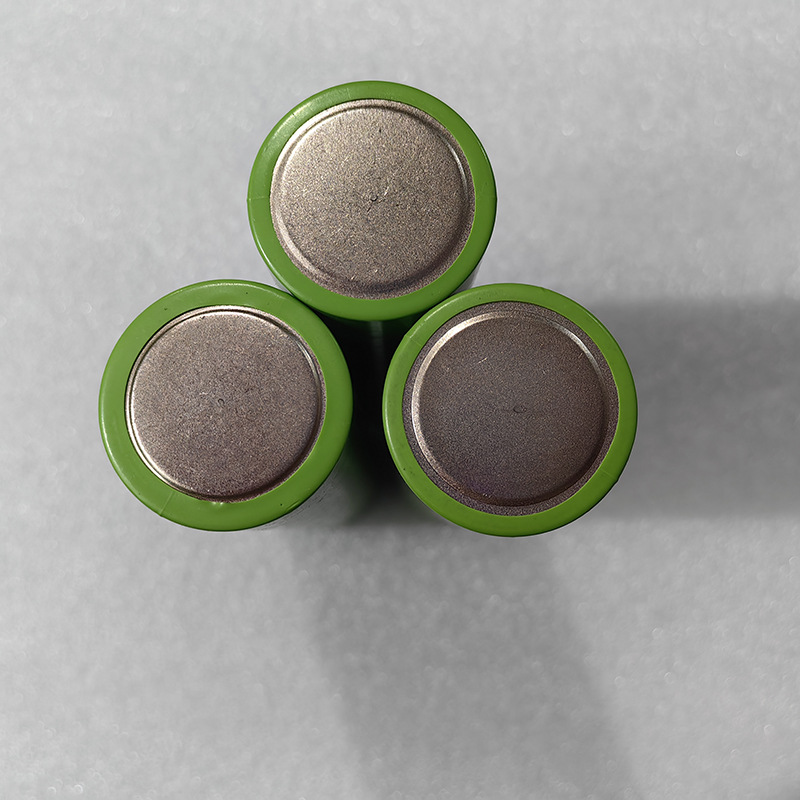
32700 LiFePO4 Cells – Low Temperature Performance Fixed for EV
The electric vehicle (EV) industry continues to demand battery solutions that perform reliably across diverse environmental conditions. Among various cell formats, the 32700 LiFePO4 cylindrical cell has emerged as a compelling choice for EV applications, particularly when low-temperature performance challenges are properly addressed. This article examines the technical breakthroughs that have resolved historical低温 limitations, making these cells viable for demanding EV deployments.
Understanding the Low-Temperature Challenge
Traditional LiFePO4 chemistry faces significant performance degradation below 0°C. The primary obstacles include increased internal resistance, reduced ionic conductivity in the electrolyte, and slowed lithium-ion diffusion rates at the electrode interface. At -20°C, conventional cells may experience capacity losses exceeding 40%, with charging becoming potentially dangerous due to lithium plating risks.
For EV manufacturers, these limitations translate to reduced range, compromised power delivery, and extended charging times in cold climates—unacceptable trade-offs for consumer adoption.
Technical Solutions That Fixed Performance
Advanced Electrolyte Formulations
Modern 32700 LiFePO4 cells incorporate low-temperature optimized electrolytes with specialized additives. These include carbonate-based solvents with reduced freezing points and film-forming additives that maintain stable SEI (Solid Electrolyte Interphase) layers even at -30°C. The result is sustained ionic conductivity and reduced impedance growth during cold operation.
Integrated Heating Systems
Next-generation battery packs feature intelligent thermal management with self-heating capabilities. Through embedded heating films and smart BMS (Battery Management System) control, cells can be preconditioned before charging or high-power discharge. This technology enables safe operation down to -40°C while maintaining cycle life integrity.
Electrode Engineering Improvements
Particle size optimization and conductive coating enhancements have significantly improved low-temperature kinetics. Nanostructured LiFePO4 cathodes with carbon coating facilitate faster lithium-ion transport, while hard carbon anodes reduce plating risks during cold charging scenarios.
EV Application Advantages
The resolved low-temperature performance unlocks several competitive advantages for EV manufacturers:
Extended Operating Range: Vehicles maintain 85%+ of room-temperature capacity even at -20°C, reducing range anxiety in cold climates.
Faster Cold Charging: Preheating protocols enable charging acceptance rates comparable to ambient conditions, eliminating extended wait times.
Enhanced Safety: Eliminated lithium plating risks during cold charging improve long-term reliability and reduce warranty claims.
Cost Efficiency: The 32700 format offers excellent energy density per dollar compared to prismatic alternatives, with standardized manufacturing processes that scale efficiently.
Quality Manufacturing Considerations
For B2B buyers evaluating 32700 LiFePO4 suppliers, several factors determine real-world performance consistency. Cell matching precision, self-discharge rate uniformity, and batch-to-batch quality control directly impact pack-level reliability. Reputable manufacturers implement rigorous testing protocols including low-temperature cycling validation before shipment.
Professional EV battery pack integrators should verify supplier certifications, request sample testing under target operating conditions, and confirm thermal management system compatibility before volume procurement.
Conclusion
The low-temperature performance limitations that once constrained 32700 LiFePO4 adoption in EV applications have been effectively resolved through electrolyte innovation, thermal management integration, and electrode engineering advances. These cells now deliver reliable performance across -40°C to 60°C operating ranges, making them suitable for global EV deployments regardless of climate conditions.
For manufacturers seeking reliable cylindrical cell solutions with proven cold-weather performance, partnering with experienced battery manufacturers ensures access to validated technology and consistent quality supply chains.
Explore our cylindrical battery cell offerings: https://cnsbattery.com/products-3/cylindrical-battery-cell/
Learn more about qualified battery manufacturers in China: https://cnsbattery.com/battery-manufacturers-in-china/
Contact our technical team for project consultation: https://cnsbattery.com/contact-2/
This technical overview reflects current industry standards and manufacturing capabilities as of 2026. Specifications may vary by manufacturer and should be verified for specific application requirements.