

32700 Battery Cell For Telecom Tower: Technical Specifications and Applications
Introduction
The telecommunications industry relies heavily on uninterrupted power supply to maintain network reliability. Among various battery technologies, the 32700 lithium battery cell has emerged as a critical component for telecom tower backup power systems. This cylindrical battery format offers an optimal balance between energy density, thermal management, and cycle life, making it particularly suitable for remote telecommunications infrastructure. In this technical analysis, we examine the key specifications, advantages, and implementation considerations of 32700 battery cells in telecom tower applications.
Technical Specifications of 32700 Battery Cells
The 32700 designation refers to the physical dimensions of the cylindrical cell: 32mm diameter and 70mm length. This form factor provides substantial advantages for stationary energy storage applications. Typical specifications include:
- Nominal Voltage: 3.2V (LiFePO4 chemistry) or 3.6-3.7V (NMC/NCA chemistry)
- Capacity Range: 5,000-6,500 mAh depending on chemistry and manufacturer
- Energy Density: 150-200 Wh/kg for LiFePO4 variants
- Cycle Life: 2,000-5,000 cycles at 80% depth of discharge
- Operating Temperature: -20°C to 60°C for standard variants
For telecom tower applications, LiFePO4 (Lithium Iron Phosphate) chemistry is predominantly preferred due to its superior thermal stability, longer cycle life, and enhanced safety characteristics compared to other lithium-ion chemistries.
Why 32700 Cells for Telecom Tower Backup Power?
1. Thermal Management Advantages
Telecom towers are often deployed in challenging environmental conditions, from extreme heat in desert regions to freezing temperatures in mountainous areas. The 32700 form factor provides excellent surface-area-to-volume ratio, facilitating efficient heat dissipation during charge and discharge cycles. This characteristic is crucial for maintaining battery performance and longevity in uncontrolled environmental conditions.
2. Scalability and Modularity
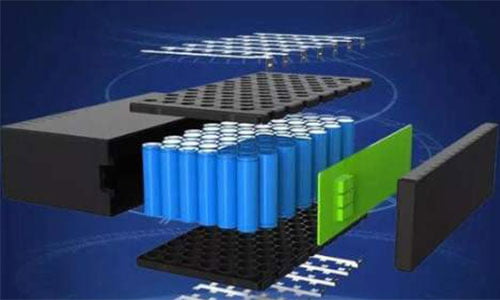
Telecom backup power systems require flexible configurations to match varying power demands. 32700 cells can be arranged in series and parallel configurations to achieve desired voltage and capacity levels. A typical 48V telecom backup system might utilize 15 cells in series (15S configuration), with multiple parallel strings to increase capacity. This modularity simplifies system design and maintenance.
3. Extended Cycle Life
Telecom tower batteries must withstand frequent charge-discharge cycles, particularly in regions with unstable grid power. LiFePO4 32700 cells typically deliver 3,000-5,000 cycles at 80% depth of discharge, translating to 8-10 years of operational life in typical telecom applications. This extended lifecycle reduces total cost of ownership and minimizes maintenance interventions.
4. Safety and Reliability
Network downtime carries significant financial and reputational consequences for telecom operators. LiFePO4 chemistry offers inherent safety advantages, including resistance to thermal runaway and reduced risk of fire or explosion. This reliability is paramount for critical infrastructure applications where battery failure could disrupt communications for thousands of users.
Battery Management System (BMS) Integration
Proper battery management is essential for maximizing 32700 cell performance in telecom applications. A comprehensive BMS should include:
- Cell Balancing: Ensures uniform charge distribution across all cells in the pack
- Temperature Monitoring: Prevents operation outside safe temperature ranges
- Overcharge/Overdischarge Protection: Extends cycle life and prevents damage
- State of Charge (SOC) Estimation: Provides accurate runtime predictions
- Communication Interfaces: Enables remote monitoring and diagnostics
Advanced BMS implementations support cellular or satellite connectivity, allowing network operations centers to monitor battery health across distributed tower locations in real-time.
Sourcing Considerations for Technical Procurement
When evaluating 32700 battery cell suppliers for telecom infrastructure projects, technical procurement teams should consider several critical factors:
Manufacturing Quality: Verify that manufacturers maintain ISO 9001 certification and implement rigorous quality control processes. Consistent cell-to-cell variation directly impacts pack performance and longevity.
Technical Documentation: Request comprehensive specification sheets, safety certifications (UL, CE, UN38.3), and cycle life test data. Reputable manufacturers provide detailed technical documentation supporting their performance claims.
Supply Chain Reliability: Telecom infrastructure projects often span multiple years. Ensure suppliers can maintain consistent production capacity and quality throughout the project lifecycle.
For engineers and procurement specialists evaluating battery cell manufacturers, comprehensive product portfolios and technical support capabilities are essential selection criteria. You can explore detailed specifications for cylindrical battery cell products to compare technical parameters across different form factors.
Installation and Maintenance Best Practices
Proper installation significantly impacts 32700 battery system performance:
- Temperature Control: Install battery enclosures in shaded locations with adequate ventilation
- Vibration Damping: Use appropriate mounting hardware to minimize vibration-induced stress
- Regular Inspection: Schedule quarterly visual inspections and annual capacity testing
- Firmware Updates: Keep BMS firmware current to benefit from improved algorithms and safety features
Cost-Benefit Analysis
While LiFePO4 32700 cells carry higher upfront costs compared to traditional VRLA (Valve-Regulated Lead-Acid) batteries, the total cost of ownership favors lithium technology over typical 5-10 year project horizons. Key economic advantages include:
- Reduced replacement frequency (2-3x longer lifespan)
- Lower maintenance requirements
- Higher energy efficiency (95%+ vs. 70-80% for VRLA)
- Smaller footprint and weight (approximately 60% reduction)
Conclusion
The 32700 battery cell represents a mature, reliable technology for telecom tower backup power applications. Its combination of thermal stability, extended cycle life, and modular scalability makes it particularly well-suited for the demanding requirements of telecommunications infrastructure. As 5G networks expand and edge computing deployments increase, reliable backup power becomes increasingly critical. Technical teams evaluating battery solutions should prioritize LiFePO4 32700 cells for new deployments and consider retrofitting existing VRLA installations where feasible.
For technical inquiries regarding 32700 battery cell specifications, custom configurations, or integration support, engineering teams can reach out through the official contact channel for detailed consultation. Additionally, comprehensive information about battery manufacturers in China is available for procurement teams evaluating supply chain options.
Selecting the right battery technology today ensures network reliability for the next decade, making informed technical decisions a strategic imperative for telecom infrastructure operators worldwide.


