

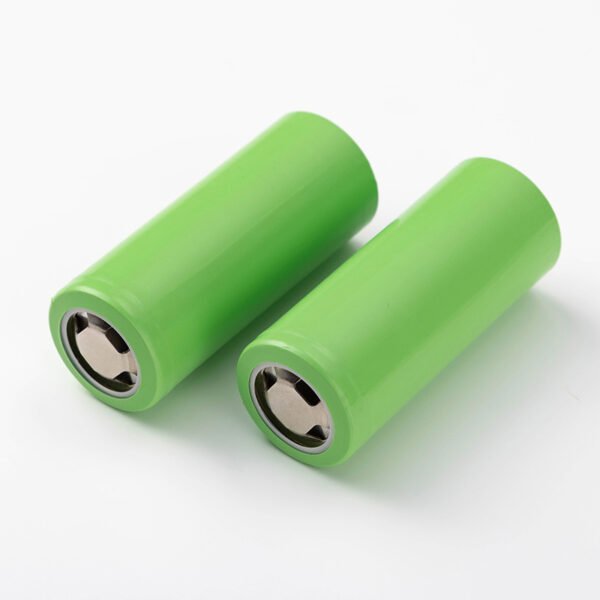
32150 Battery Cell UN38.3 Certified | CNS BATTERY
Introduction
In the rapidly evolving landscape of industrial energy storage, the 32150 cylindrical battery cell has emerged as a critical component for high-performance applications. At CNS BATTERY, we understand that reliability, safety, and compliance are non-negotiable for engineers and technical procurement specialists worldwide. Our 32150 battery cells are fully UN38.3 certified, ensuring seamless global transportation and deployment across diverse industries.
This article provides a comprehensive technical overview of the 32150 battery cell, its certification standards, performance characteristics, and why CNS BATTERY stands as a trusted partner for your energy storage requirements.
Understanding the 32150 Battery Cell Specification
The designation “32150” refers to the physical dimensions of this cylindrical lithium battery cell: 32mm in diameter and 150mm in length. This form factor offers an optimal balance between energy density and thermal management capabilities, making it particularly suitable for:
- Electric vehicle battery packs
- Energy storage systems (ESS)
- Industrial power tools
- Marine and aerospace applications
The cylindrical design provides superior mechanical stability compared to pouch or prismatic cells, reducing the risk of swelling and enhancing overall pack longevity. Our 32150 cells utilize advanced lithium iron phosphate (LiFePO4) or nickel manganese cobalt (NMC) chemistry, depending on specific application requirements.
For detailed product specifications, visit our Cylindrical Battery Cell page.
UN38.3 Certification: What It Means for Your Supply Chain
UN38.3 is the United Nations standard governing the safe transportation of lithium batteries. This certification is mandatory for all lithium battery shipments via air, sea, or ground transport. Our 32150 battery cells undergo rigorous testing across eight critical parameters:
- Altitude Simulation – Validates performance under low-pressure conditions
- Thermal Testing – Ensures stability across extreme temperature ranges (-40°C to +75°C)
- Vibration Testing – Confirms structural integrity during transit
- Shock Testing – Validates resistance to mechanical impact
- External Short Circuit – Tests safety under fault conditions
- Impact/Crush Testing – Evaluates cell durability under compression
- Overcharge Testing – Verifies protection against charging anomalies
- Forced Discharge Testing – Assesses safety during reverse polarity scenarios
UN38.3 certification eliminates customs delays, reduces compliance risks, and ensures your projects maintain schedule integrity. For procurement teams, this certification represents a significant reduction in supply chain complexity.
Technical Performance Characteristics
Our 32150 battery cells deliver exceptional performance metrics that meet the demanding requirements of industrial applications:
| Parameter | Specification |
|---|---|
| Nominal Capacity | 10,000 – 15,000 mAh |
| Nominal Voltage | 3.2V (LiFePO4) / 3.7V (NMC) |
| Cycle Life | 2,000 – 5,000 cycles |
| Operating Temperature | -20°C to +60°C |
| Maximum Continuous Discharge | 3C – 5C |
| Internal Resistance | ≤15 mΩ |
Thermal Management Advantages
The cylindrical geometry of the 32150 cell facilitates efficient heat dissipation through the cell surface. This characteristic is particularly valuable in high-drain applications where thermal runaway prevention is critical. Our cells incorporate multiple safety features including:
- PTC (Positive Temperature Coefficient) devices
- CID (Current Interrupt Device)
- Advanced separator technology with shutdown function
Why Choose CNS BATTERY as Your Manufacturing Partner
CNS BATTERY has established itself as a leading battery manufacturer in China with comprehensive quality management systems and international compliance standards. Our manufacturing facilities operate under ISO 9001, ISO 14001, and IATF 16949 certifications, ensuring consistent product quality across all production batches.
Key Advantages for Technical Buyers:
- Direct Factory Pricing – Eliminate intermediary costs
- Customization Capabilities – Tailored specifications for specific applications
- Technical Support – Engineering assistance throughout product integration
- Scalable Production – Capacity to meet high-volume procurement requirements
- Global Logistics – Established shipping networks with UN38.3 documentation
For more information about our manufacturing capabilities, explore Battery Manufacturers in China.
Application Integration Considerations
When integrating 32150 battery cells into your system design, consider the following engineering factors:
Battery Management System (BMS) Compatibility: Ensure your BMS supports the specific chemistry and voltage profile of the 32150 cell. Our technical team provides BMS recommendation guidelines for optimal performance.
Pack Configuration: The 32150 form factor supports various series-parallel configurations. Common arrangements include 4S10P, 8S5P, or custom layouts based on voltage and capacity requirements.
Thermal Design: Incorporate adequate spacing between cells (minimum 2mm) and consider active cooling for high-discharge applications exceeding 3C continuous draw.
Quality Assurance and Testing Protocol
Every 32150 battery cell produced at CNS BATTERY undergoes comprehensive quality verification:
- Incoming Material Inspection – Raw material certification verification
- In-Process Testing – Real-time monitoring during manufacturing
- Final Quality Control – 100% capacity and internal resistance testing
- Batch Sampling – Statistical performance validation per production lot
- Traceability System – Complete lot tracking from production to delivery
This multi-layered quality approach ensures consistent performance and minimizes field failure rates.
Conclusion
The 32150 battery cell with UN38.3 certification represents a reliable, compliant, and high-performance solution for industrial energy storage applications. At CNS BATTERY, we combine advanced manufacturing capabilities with rigorous quality standards to deliver battery solutions that meet the exacting requirements of global engineering teams.
For technical inquiries, customization requests, or procurement discussions, our engineering team is ready to support your project requirements. Contact us today to discuss how our 32150 battery cells can enhance your product performance.
Reach out through our Contact Page for personalized technical consultation and quotation services.
© 2026 CNS BATTERY. All technical specifications subject to change based on product development and customer requirements.


