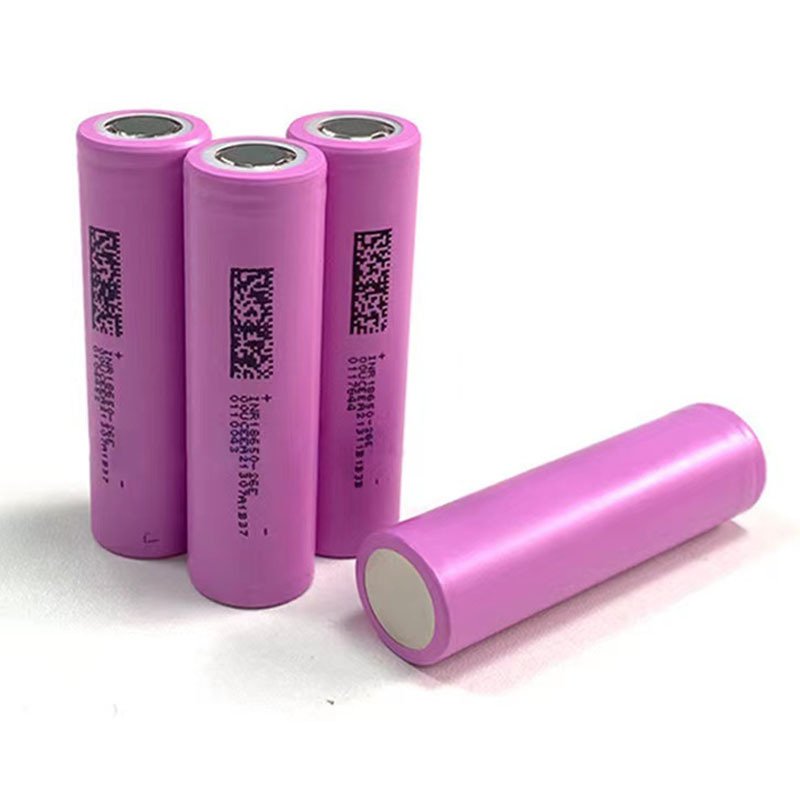
Here is the professional, B2B-focused article tailored to your specifications.
The 26650 Battery Cell: A Low Self-Discharge Powerhouse for Industrial Applications
In the competitive landscape of industrial power solutions, energy density and runtime efficiency are paramount. While the 18650 battery format dominates consumer electronics, the 26650 battery cell has emerged as the preferred choice for high-drain, mission-critical applications where frequent recharging is impractical. Specifically, 26650 cells engineered for Low Self Discharge (LSD) offer a unique balance of high capacity, structural robustness, and longevity that standard lithium-ion formats cannot match.
For global OEMs and procurement managers, selecting the right cylindrical cell is not just about voltage; it is about system reliability. This article explores why the 26650 format, particularly when optimized for low self-discharge, is becoming the standard for next-generation industrial and energy storage systems.
What Makes the 26650 Format Unique?
The nomenclature “26650” refers to the physical dimensions of the battery: 26mm in diameter and 65.0mm in length. This larger footprint compared to the 18650 or 21700 cells allows for a significantly larger active electrode area.
- Higher Capacity: The increased volume translates directly into higher Amp-hour (Ah) ratings. While a standard 18650 might top out around 3500mAh, a high-quality 26650 cell can reliably deliver 4500mAh to 5500mAh.
- Lower Internal Resistance: The larger cross-section of the electrodes reduces internal resistance (IR). This is critical for applications requiring high continuous discharge currents, as it minimizes heat generation during operation.
The Technical Edge of Low Self Discharge (LSD)
Self-discharge is the phenomenon where a battery loses charge while sitting idle. Standard lithium-ion cells can lose 1-5% of their charge per month. For industrial applications—such as emergency backup systems, medical devices, or seasonal equipment—this can be a critical flaw.
Low Self Discharge (LSD) technology modifies the chemical stability and internal microstructure of the cell to minimize this parasitic loss. The result is a battery that retains up to 85-90% of its charge after one year of storage, compared to 60-70% for standard cells.
Technical Insight: LSD is achieved through advanced electrolyte formulations and ultra-clean manufacturing processes that reduce internal micro-shorts. This requires stringent quality control (QC) protocols during the formation stage, a process where the battery is initially charged and stabilized. Manufacturers lacking the capital for dry-room production or advanced formation cabinets cannot achieve true LSD specifications.
Key Applications: Where 26650 LSD Cells Excel
The 26650 form factor is not a “one-size-fits-all” solution; it is designed for specific high-performance niches. Based on industry demand and our R&D data, the following sectors benefit most from this technology:
- Electric Bicycles and E-Mobility (LEV):
The 26650 cell is a staple in high-end e-bike packs. Its robust mechanical structure handles the vibration of rough roads better than smaller cells. Combined with LSD, it ensures the bike is ready to ride immediately after being stored in a garage for weeks, eliminating the frustration of a “dead” battery upon return. - Energy Storage Systems (ESS) and Solar Backup:
In off-grid or backup power systems, batteries often sit in a float charge state for months before a grid failure occurs. A 26650 LSD cell ensures maximum reserve capacity is available instantly during an outage. The larger size also aids in thermal management within large battery racks. - High-Power Industrial Tools:
Cordless power tools (drills, saws, impact drivers) demand high current bursts. The 26650’s low internal resistance allows for high C-rate discharges without significant voltage sag, ensuring consistent tool performance until the battery is fully depleted. - Medical Equipment:
For portable medical devices, reliability is non-negotiable. The LSD characteristic ensures that life-support or diagnostic equipment remains operational after long periods of standby, meeting strict medical safety compliance standards.
Procurement Considerations: Avoiding the “Fake LSD” Trap
The global battery market is flooded with counterfeit or substandard cells. When sourcing 26650 cells, B2B buyers must look beyond the datasheet claims.
- Cycle Life vs. Capacity: Be wary of cells claiming ultra-high capacity (e.g., 6000mAh+) combined with high cycle life. True LSD cells often trade a small amount of maximum capacity for chemical stability. A realistic, high-quality 26650 LSD cell typically ranges between 4500mAh and 5500mAh.
- Safety Compliance: Ensure the cells are certified for UN38.3 (transport safety) and possess PSE, CE, or RoHS marks depending on your regional market. Cutting corners on safety testing can lead to catastrophic field failures.
- Traceability: Reputable manufacturers provide batch traceability. If a cell fails in your assembly line, you need to know exactly which production batch it came from to isolate the issue.
Why Partner with a Specialized Manufacturer?
Integrating a 26650 cell into your product design requires more than just purchasing cells; it requires engineering collaboration. Standard off-the-shelf cells may not fit unique mechanical constraints or thermal envelopes.
Partnering with a manufacturer that offers customization services—such as tailored tabbing configurations, specific protection circuit module (PCM) integration, or even custom sleeve labeling—can significantly reduce your time-to-market. Furthermore, direct factory partnerships eliminate the markup and risk associated with third-party distributors who may source from unverified secondary markets.
Expert Tip: When evaluating a battery manufacturer, ask about their “formation” and “grading” process. Cells are sorted into specific performance grades (Grade A, B, etc.) based on capacity and internal resistance. For industrial applications, you should only accept Grade A cells to ensure pack consistency.
Conclusion: Powering the Future of Industry
The 26650 Low Self Discharge battery cell represents a mature, reliable technology optimized for the rigors of industrial use. By offering superior energy retention and high current capability, it solves the critical pain points of downtime and maintenance for B2B applications.
For businesses looking to source high-quality cylindrical cells, partnering directly with an experienced manufacturer ensures access to the latest LSD technology and the engineering support needed for successful product integration.
Ready to optimize your power solution?
Explore our comprehensive range of Cylindrical Battery Cells, including advanced 26650 technologies, designed for global industrial applications.
- View our Cylindrical Battery Cell Product Line for technical specifications.
- Discover why leading companies choose us as their Battery Manufacturer in China.
- Contact our sales engineers today to request a sample or discuss your specific project requirements.