

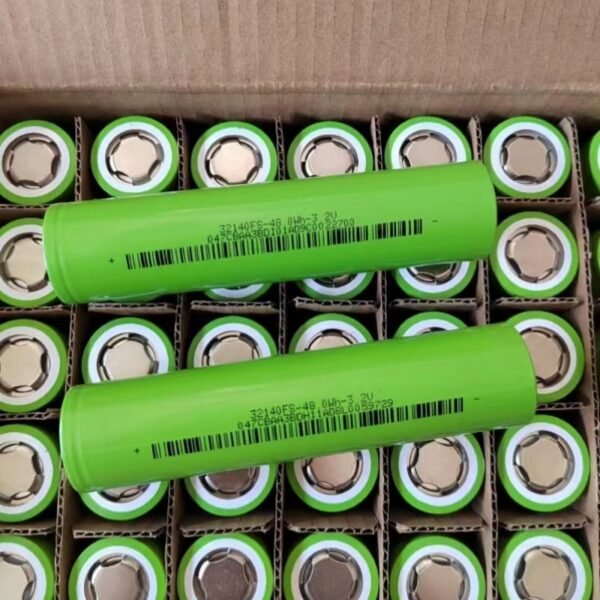
18650 NCM Battery Cells for Portable Power Station OEMs: High Discharge Rate & Low Self Discharge B2B Export Certified
The global portable power station market is experiencing unprecedented growth, driven by increasing demand for reliable off-grid energy solutions. For OEMs seeking competitive advantage, selecting the right battery cell technology is critical. 18650 NCM (Nickel-Cobalt-Manganese) battery cells have emerged as the preferred choice, offering an optimal balance of energy density, discharge performance, and cost-effectiveness.
Technical Specifications & Performance Advantages
The 18650 cylindrical cell format (18mm diameter × 65mm length) has become an industry standard, originally developed by Sony and now widely adopted across consumer electronics and energy storage applications. NCM chemistry delivers nominal voltage of 3.6V-3.7V per cell, with capacity ranging from 2200mAh to 3350mAh depending on manufacturer specifications.
High Discharge Rate Capability: Premium 18650 NCM cells support continuous discharge rates of 1C to 3C, with peak discharge capabilities reaching 5C for high-power applications. This makes them ideal for portable power stations requiring rapid energy delivery during peak load conditions. For OEMs designing systems with multiple power output options, this discharge flexibility ensures compatibility with diverse device requirements.
Low Self-Discharge Characteristics: Quality NCM cells exhibit self-discharge rates below 3% per month at 25°C storage conditions. This translates to extended shelf life and reduced maintenance requirements for end-users—a critical selling point for emergency backup and outdoor applications. Advanced electrolyte formulations and separator technologies further minimize capacity loss during prolonged storage periods.
OEM Integration Considerations
For portable power station manufacturers, cell selection impacts overall system design, thermal management, and BOM costs. Key integration factors include:
- Cell Matching: Ensure voltage and capacity consistency within battery packs to prevent imbalance during charge/discharge cycles
- Thermal Design: NCM cells operate optimally between 15°C-35°C; incorporate adequate cooling for high-discharge scenarios
- BMS Compatibility: Select cells with established communication protocols for seamless battery management system integration
Chinese manufacturers have made significant advancements in 18650 NCM technology, with production capacities scaling to meet global OEM demand. Companies like CNS Battery offer comprehensive cylindrical battery cell solutions tailored for portable power applications. Learn more about their product portfolio at https://cnsbattery.com/products-3/cylindrical-battery-cell/
Export Certification Requirements
B2B battery exports require strict compliance with international transportation and safety standards. Understanding certification requirements prevents shipment delays and market access issues.
UN38.3 Certification: This mandatory United Nations standard covers eight critical safety tests including altitude simulation, thermal cycling, vibration, shock, external short circuit, impact, overcharge, and forced discharge. All lithium battery shipments via air, sea, or land transport must include valid UN38.3 test reports. The 2025 updated regulations introduced enhanced requirements for thermal runaway protection and expanded documentation standards.
Regional Certifications:
- CE Marking: Required for European market entry, covering EMC and RoHS compliance
- UL Standards: Essential for North American distribution, particularly UL 1642 for cell safety
- IEC 62133: International safety standard for portable sealed secondary cells
Annual certification updates are necessary to maintain compliance. IATA’s 2025 DGR (Dangerous Goods Regulations) Edition 66 introduced specific provisions for lithium battery transportation, requiring updated air transport identification documents.
B2B Procurement Best Practices
When sourcing 18650 NCM cells for OEM production, consider these procurement guidelines:
- Supplier Verification: Confirm manufacturer credentials, production capacity, and quality management systems (ISO 9001 certification)
- Sample Testing: Request pre-production samples for independent performance validation
- Documentation Review: Ensure complete certification packages including UN38.3, MSDS, and test reports
- Lead Time Planning: Account for 4-8 weeks production cycles plus certification processing time
- After-Sales Support: Evaluate technical support availability and warranty terms
Working with established Chinese battery manufacturers provides cost advantages without compromising quality. Many facilities now operate automated production lines with real-time quality monitoring, achieving defect rates below 0.1%. For comprehensive manufacturer evaluation, visit https://cnsbattery.com/battery-manufacturers-in-china/
Case Study: European Portable Power OEM
A leading European portable power manufacturer recently transitioned from generic lithium cells to certified 18650 NCM cells from a verified Chinese supplier. Results included:
- 15% improvement in energy density
- 20% reduction in overall system weight
- Full UN38.3 and CE compliance achieved within 6 weeks
- 12-month supply agreement with consistent quality performance
This demonstrates the value of strategic supplier partnerships in achieving both technical and regulatory objectives.
Conclusion
18650 NCM battery cells represent a mature, cost-effective solution for portable power station OEMs seeking high performance with regulatory compliance. Success depends on selecting qualified suppliers, understanding certification requirements, and implementing proper integration practices.
For OEMs ready to explore partnership opportunities or request technical specifications, contact established manufacturers directly. Visit https://cnsbattery.com/contact-2/ to initiate discussions about your specific requirements.
The portable energy storage market continues evolving, with 18650 NCM technology maintaining its position as a reliable foundation for next-generation power solutions. Strategic procurement decisions today will determine competitive positioning in tomorrow’s marketplace.

