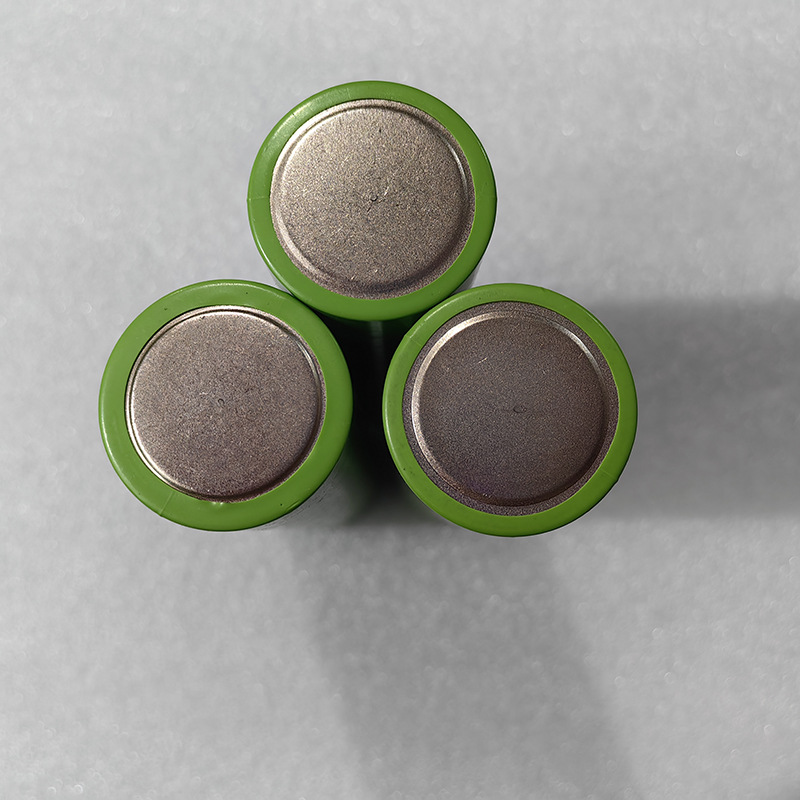
The Ultimate 18650 & 21700 LFP Guide: High Reliability for Power Tools
In the high-stakes environment of professional power tools, failure is not an option. When your equipment is subjected to extreme loads, high temperatures, and physical stress, the battery cell is the last line of defense against downtime. As a senior battery technology blogger and industry consultant, I have seen the market shift dramatically from Nickel-Cadmium (NiCd) and standard Lithium-ion (NMC) towards Lithium Iron Phosphate (LFP) chemistry, specifically in the 18650 and emerging 21700 formats. This guide dissects why these cylindrical cells are becoming the gold standard for high-reliability power tool applications, focusing on the technical parameters that matter most to engineers and procurement teams.
1. The Technical Shift: Why LFP is Dominating Power Tools
The power tool industry is undergoing a “Ruggedization” phase. Consumers and professionals demand cordless tools that match the torque of corded models. This requires a chemistry that prioritizes safety and cycle life over raw energy density.
- Thermal Stability: Unlike NMC (Nickel Manganese Cobalt) cells, LFP cells have a much higher thermal runaway threshold. For power tools generating significant heat during operation, this means a drastically reduced risk of fire or explosion.
- Cycle Life: Standard NMC cells might last 500-800 cycles. High-quality LFP cells, such as those manufactured by leading Chinese producers, can achieve 2000-3000 cycles while maintaining 80% capacity. This longevity is the core of “high reliability.”
2. Deep Dive: 18650 vs. 21700 LFP for Industrial Applications
When selecting cells for your Battery Management System (BMS) design, the choice between the legacy 18650 and the next-gen 21700 is critical.
The 18650: The Proven Workhorse
Despite being an older format, the 18650 remains incredibly relevant due to its mature supply chain and optimized thermal management characteristics.
- Key Parameter: For power tools, look for High-Discharge (Power) variants. These are often denoted by “P” or “HR” in the model number.
- Performance: A robust 18650 LFP cell should deliver a continuous discharge current of 15C-20C. For example, a 2.5Ah cell should handle 37.5A to 50A continuously without significant voltage sag.
The 21700: The Efficiency Upgrade
The 21700 format was designed to reduce “pack complexity.”
- Pack-Level Advantage: By increasing the diameter from 18mm to 21mm and length from 65mm to 70mm, you achieve higher capacity per cell. This means fewer cells are needed in a pack to achieve the same voltage and Ah rating.
- Implication: Fewer cells mean fewer welds, fewer BMS monitoring points, and a higher overall pack-level energy density. This translates to lighter, more compact tools.
3. Parameter Breakdown: Selecting the Right Cell
To ensure high reliability, engineers must scrutinize the following specifications beyond just capacity (Ah):
- Internal Resistance (IR): This is paramount for power tools. A low internal resistance ensures that the voltage does not drop excessively under high load (e.g., when drilling through concrete). High IR leads to heat generation and power loss.
- Temperature Coefficient: Verify the cell’s performance at -20°C to 60°C. Power tools are used in harsh environments; the cell must perform reliably in both freezing warehouses and hot job sites.
- Mechanical Robustness: The cylindrical steel can must withstand vibration. Look for cells with reinforced safety vents and robust top caps to prevent micro-welding failures.
4. Testing Methodologies for Reliability Assurance
High reliability is not claimed; it is proven through rigorous testing. As a technical buyer, you should demand test reports on the following:
- Crush & Nail Penetration: While LFP is inherently safer, this test validates the cell’s structural integrity under catastrophic physical abuse.
- Overcharge & Short Circuit: These tests ensure the BMS has a wide safety margin. A reliable cell will vent safely without explosion during these tests.
- Cycle Life Testing: Demand data on 100% DOD (Depth of Discharge) cycling, not just 80% DOD. Real-world power tool usage often drains the battery completely.
5. The Chinese Manufacturing Advantage & Global Compliance
China is the epicenter of advanced LFP manufacturing. However, sourcing from China requires navigating the gap between factory capability and local market regulations (EU, USA).
- Technical Barriers: Top-tier Chinese manufacturers like CNS Battery maintain technical barriers through proprietary electrolyte formulations and automated dry-room production. This ensures the low moisture content critical for long cycle life.
- Geographical Adaptation (Geo-Adaptation): It is not enough to have a good cell; it must be adapted.
- For the EU Market: Products must comply with CE directives and the stringent RoHS (Restriction of Hazardous Substances) standards. Furthermore, the upcoming Battery Passport regulations under the EU Battery Regulation require detailed lifecycle tracking, which advanced Chinese manufacturers are now implementing.
- For the US Market: UL certification (such as UL 1642 for cells and UL 2054 for battery packs) is mandatory. Reliable suppliers will have these certifications readily available for their standard models.
6. Conclusion: Partnering for High-Reliability Solutions
Choosing an 18650 or 21700 LFP cell for power tools is a strategic decision. It requires a partner who understands that “high reliability” is a function of chemistry, mechanical design, and rigorous quality control.
If you are an engineer or a procurement manager looking to upgrade your power tool lineup with cells that meet global safety standards, it is essential to engage with manufacturers who prioritize R&D and compliance. For those seeking a technical consultation or specific data sheets for high-discharge LFP cells, CNS Battery offers comprehensive solutions tailored for the global market.
Contact Information:
- Product Inquiry: Explore the full range of cylindrical battery cells suitable for power tools at Cylindrical Battery Cell Products.
- Technical Consultation: Connect with the experts at CNS Battery, a leading battery manufacturer in China, to discuss your specific requirements and ensure your product meets the high-reliability standards of 2026 and beyond. Contact Us Now.