

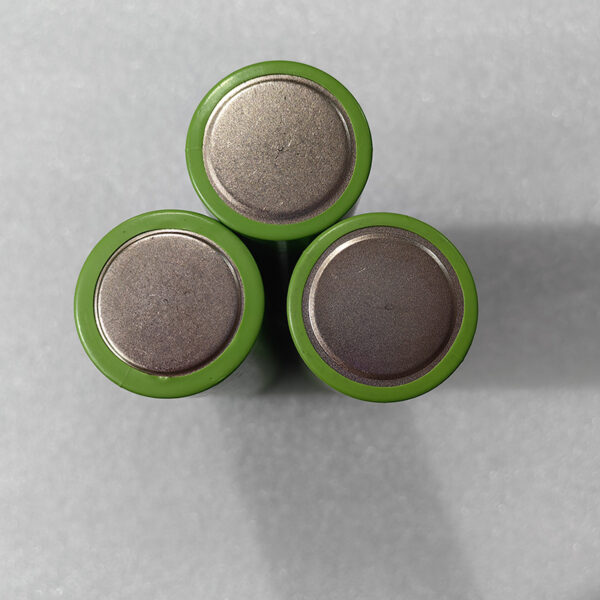
Zero Swelling Issues: Solving the Top 5 Problems of 32135 LiFePO4 Cells for ESS
The energy storage system (ESS) market is booming, but with growth comes the critical need for reliability. For B2B buyers, engineers, and OEMs, a recurring nightmare is battery swelling. This phenomenon doesn’t just degrade performance; it compromises safety and leads to costly field failures.
While the industry standard often focuses on 18650 or 21700 formats, the 32135 LiFePO4 (Lithium Iron Phosphate) cylindrical cell represents a unique intersection of high capacity and structural stability. However, when these specific cells swell, it indicates a breakdown in either the cell chemistry, the manufacturing process, or the system integration.
As a professional lithium battery manufacturer, we have identified the top 5 causes of swelling in 32135 LiFePO4 cells and their engineering solutions.
1. Electrolyte Composition & SEI Film Stability
The most common internal cause of swelling in lithium iron phosphate batteries is the instability of the Solid Electrolyte Interphase (SEI) film.
The Technical Breakdown:
The SEI film forms on the anode surface during the initial charge cycles. In a 32135 format, which has a larger internal volume than smaller cylindrical cells, the reaction kinetics are different. If the electrolyte formulation is suboptimal, the SEI film can decompose and reform repeatedly during cycling. This continuous decomposition generates gas as a byproduct.
The Solution:
This is where the expertise of a seasoned battery manufacturer in China becomes critical. Advanced electrolyte additives are required to stabilize the SEI film. By using high-purity lithium salts and tailored additive packages, manufacturers can ensure the film remains intact through thousands of cycles, effectively eliminating gas generation at the molecular level.
2. Moisture Control During Manufacturing
Even trace amounts of moisture can be catastrophic in a lithium battery.
The Technical Breakdown:
During the production of a 32135 cell, if the internal environment is not rigorously dry, water molecules (H2O) can react with the Lithium Hexafluorophosphate (LiPF6) in the electrolyte. This reaction produces Hydrofluoric Acid (HF) and Phosphorus Pentafluoride (PF5). These acids attack the electrode materials, causing corrosion and, significantly, the release of hydrogen gas. In a sealed cylindrical can, this gas has nowhere to go, leading to “pillowing” or swelling.
The Solution:
Strict moisture control is non-negotiable. This requires automated production lines operating in ultra-low humidity dry rooms (Dew Point < -40°C) and hermetic sealing processes. Only manufacturers with advanced manufacturing facilities can guarantee the ppm (parts per million) level of moisture control necessary to prevent this chemical reaction.
3. High-Temperature Operation and Thermal Runaway Precursors
While LiFePO4 is thermally stable, improper thermal management can still cause issues.
The Technical Breakdown:
The 32135 format, while robust, can suffer from heat accumulation if not managed correctly. High temperatures accelerate the side reactions mentioned above. Furthermore, localized overheating can cause the electrolyte to vaporize. If the vent mechanism of the cell is triggered due to excessive internal pressure, it results in a permanent structural deformation (swelling).
The Solution:
System-level design is key. Engineers must ensure adequate spacing between 32135 cells for heat dissipation. Additionally, selecting cells with optimized internal resistance reduces heat generation at the source. A battery that runs cooler is a battery that lasts longer without deformation.
4. Overcharging and Voltage Management
The Technical Breakdown:
LiFePO4 cells have a flat voltage curve, but exceeding the upper charge voltage limit (typically 3.65V) forces excess lithium ions into the anode. This causes Lithium plating—a metallic deposition of lithium on the anode surface. Lithium plating not only consumes active lithium (reducing capacity) but also creates dendrites that pierce the separator. This internal short circuit generates intense localized heat and gas, leading to rapid swelling.
The Solution:
Precision in the Battery Management System (BMS) is mandatory. For 32135 cells, the BMS must strictly clamp the charging voltage. Furthermore, cell sorting (binning) during manufacturing ensures that cells used in a pack have identical voltage characteristics, preventing weak cells from being overcharged by stronger neighbors.
5. Internal Micro-Short Circuits
The Technical Breakdown:
Physical defects within the cell are a primary culprit. In a cylindrical cell, if the winding process is imperfect, or if metallic dust (from the cutting or welding processes) remains inside the can, it can create a micro-short circuit. This constant internal drain generates heat and gas. In the 32135 format, where the electrode layers are longer and the winding tension is critical, even a slight misalignment can cause friction and wear over time, leading to shorts.
The Solution:
This is solved through rigorous quality management and automated optical inspection. Automated production lines can detect microscopic contaminants and winding defects that the human eye would miss. Partnering with a manufacturer that utilizes 100% automated inspection systems is the only way to guarantee dust-free and defect-free cells.
Conclusion: Engineering Stability into ESS
Zero swelling in 32135 LiFePO4 cells is not an accident; it is the result of precise chemical engineering, strict environmental control, and automated manufacturing excellence.
For B2B clients seeking reliable cylindrical battery cells, the choice of manufacturer is the first line of defense. By addressing the root causes—electrolyte stability, moisture, heat, voltage, and internal defects—you can ensure your energy storage systems deliver long cycle life without the risk of deformation.
If you are looking for comprehensive cylindrical battery solutions, including the robust 32135 format, we provide customizable cells built for global reliability.
Explore our range of high-performance cylindrical battery cells and discover how our automated production line ensures zero-defect quality for your next project.
Explore Cylindrical Battery Solutions
Need a specific solution for your application? Contact our engineering team today.


