Wide Temperature Battery For Military Equipment
In the high-stakes arena of military operations, the margin for error is zero. When a mission depends on the reliability of electronic systems, the last thing a field technician or defense contractor needs is a power failure due to thermal shock. Standard commercial off-the-shelf (COTS) batteries often fail catastrophically when faced with the extremes of a battlefield environment—whether it is the freezing cold of high-altitude operations or the scorching heat of desert deployments.
As a professional lithium battery engineer, I have witnessed the transition from bulky, unreliable power packs to the current generation of ruggedized energy storage. The key to this evolution lies in the electrochemistry and thermal management of the cell itself. For military equipment, from encrypted communication radios to portable radar systems, the power source must be as resilient as the soldier wielding it.
The Physics of Cold: Why Standard Batteries Fail
To understand the engineering behind a Wide Temperature Battery, we must first look at why standard Lithium-ion (Li-ion) batteries struggle in the cold. Conventional Li-ion cells rely on the movement of lithium ions from the cathode to the anode through a liquid organic electrolyte. At low temperatures, the viscosity of this electrolyte increases significantly. Imagine motor oil in an engine during a Siberian winter; it becomes thick and sluggish.
When the electrolyte thickens, the internal resistance of the cell skyrockets. This results in two critical failures:
- Plating: During charging, lithium ions cannot intercalate (embed) into the graphite anode quickly enough. Instead, they plate out as metallic lithium on the surface of the anode. This is not only irreversible capacity loss but also a massive safety hazard, as lithium metal is highly reactive and can cause internal short circuits.
- Voltage Sag: During discharge, the high internal resistance causes a severe voltage drop. Even if the battery has stored energy, the voltage may fall below the “cutoff” voltage required by the device, rendering the equipment useless even though the battery isn’t actually “empty.”
Engineering a Thermal Solution
To solve these problems for military applications, our R&D team focuses on three core technical pillars: Electrolyte Formulation, Cathode Chemistry, and Thermal Design.
1. Advanced Electrolyte Formulation
The electrolyte is the “blood” of the battery. For wide-temperature operation, we utilize a co-solvent system with low freezing points. By incorporating specific additives such as Vinylene Carbonate (VC) and Fluoroethylene Carbonate (FEC), we form a robust Solid Electrolyte Interphase (SEI) film on the anode. This SEI film remains flexible and conductive even at temperatures as low as -40°C (-40°F), allowing ions to pass through efficiently without plating.
2. Robust Cathode Materials
While consumer electronics chase high energy density with Nickel-rich chemistries (like NMC811), military applications require stability. We often utilize Lithium Iron Phosphate (LFP) or Manganese-based (IMR) chemistries for their superior thermal runaway resistance. These materials have a more stable crystal structure that does not decompose easily under high heat, preventing the “thermal runaway” that leads to fires.
3. Cylindrical Cell Architecture
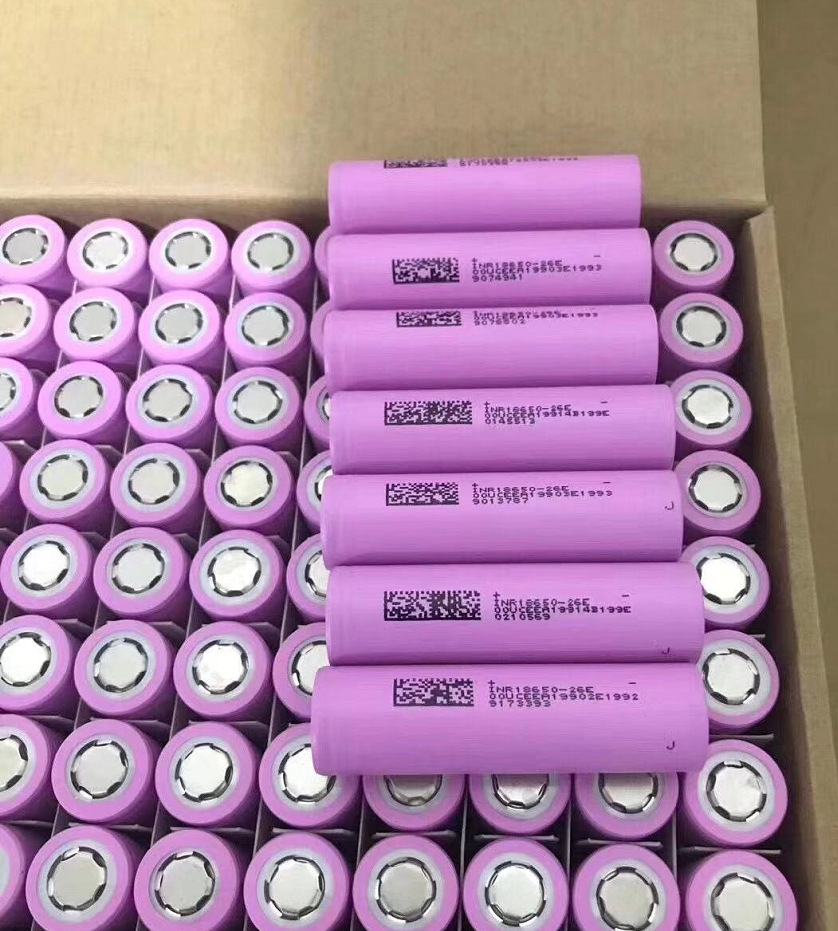
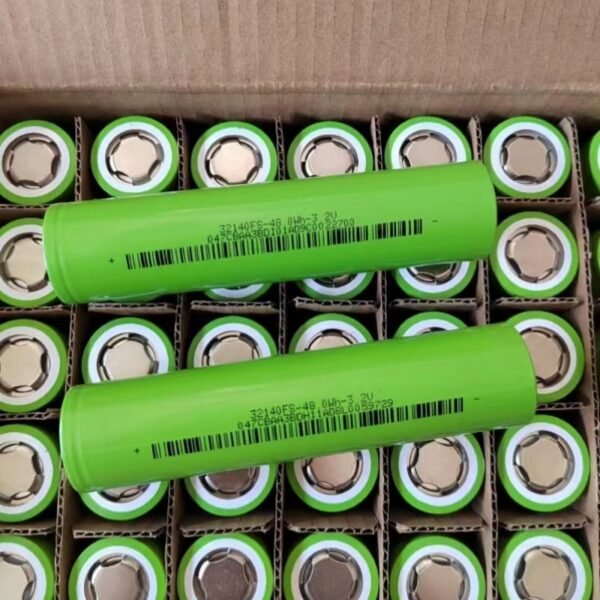
Among the various form factors, the Cylindrical Battery Cell remains the gold standard for rugged applications. The “jellyroll” structure of a cylindrical cell provides excellent mechanical integrity. Unlike pouch cells, which are prone to swelling and puncture, the rigid steel or aluminum casing of a cylindrical cell acts as a pressure vessel, containing any internal gassing and protecting the internal components from physical shock—a common occurrence in military transport and handling.
Real-World Applications in Defense
A Wide Temperature Battery is not just a component; it is a force multiplier. Here is how these technical specifications translate to the field:
- Unmanned Systems: Drones and Unmanned Ground Vehicles (UGVs) operating in high-altitude or polar regions require batteries that can handle rapid temperature changes without losing telemetry or control.
- Soldier-Worn Systems: Modern infantry carry a suite of electronic optics, GPS, and night vision devices. A battery that fails in the cold is a liability. Wide-temperature cells ensure that a soldier’s sight remains powered even when ambient temperatures plummet.
- Command and Control: Portable command centers rely on servers and communication hubs. Wide-temperature batteries with integrated Battery Management Systems (BMS) ensure that these critical nodes remain operational during rapid environmental shifts.
Powering the Future of Resilience
Designing a battery that functions reliably from the freezing peaks of the Himalayas to the scorching sands of the Middle East is not just about chemistry; it is about engineering for survival. At CNS Battery, we understand that military equipment demands a power source that is as tough as the mission.
If you are developing or maintaining military hardware that requires a power solution capable of withstanding extreme thermal challenges, we invite you to explore our range of ruggedized cylindrical cells. Our engineering team is ready to consult on custom solutions that meet your specific environmental and performance requirements.
To consult or invite us, please leave a message online or visit our contact page to speak with a specialist.
For more information on our cylindrical battery technology and how it can be applied to your next project, explore our product range:
Explore Cylindrical Battery Cells
Discover why we are a leading choice for demanding applications across the globe: