
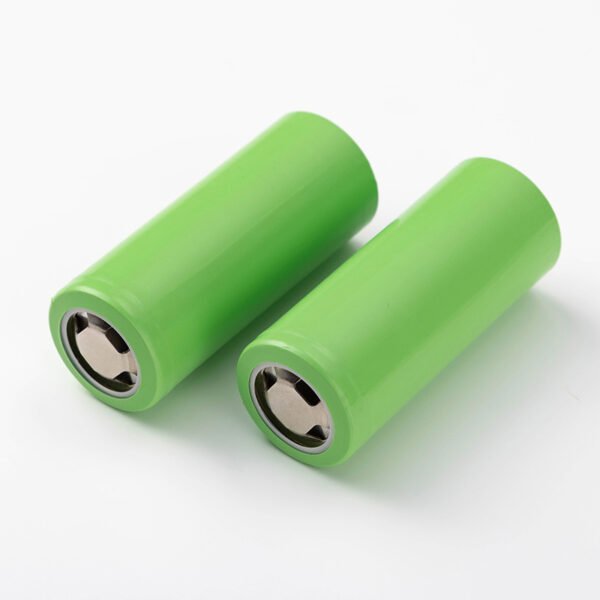
Why Li-S Batteries Lose Capacity in Whale Migration Tracking Tags
Understanding Capacity Degradation Mechanisms in Marine Wildlife Tracking Applications
For engineers and technical purchasers involved in marine conservation technology, battery reliability is paramount. Whale migration tracking tags represent one of the most demanding applications for primary lithium batteries, operating in extreme underwater environments for extended periods. However, there exists significant technical confusion regarding battery chemistry—many industry professionals reference “Li-S batteries” when actually discussing Li-SOCl₂ (Lithium Thionyl Chloride) primary cells, as true Lithium-Sulfur rechargeable technology remains unsuitable for long-duration wildlife tracking. This article examines the fundamental capacity loss mechanisms affecting lithium primary batteries in whale tracking applications.
1. Temperature-Induced Electrolyte Viscosity Changes
Marine environments subject tracking tags to dramatic temperature fluctuations, from tropical surface waters (25-30°C) to deep ocean depths (2-4°C). Li-SOCl₂ batteries experience measurable capacity reduction at low temperatures due to increased electrolyte viscosity.
Technical Mechanism: The thionyl chloride electrolyte becomes more viscous at lower temperatures, reducing ionic conductivity between the lithium anode and carbon cathode. This increases internal resistance and limits available discharge current. Research indicates capacity loss of 15-25% when operating below 10°C compared to standard 20°C conditions.
Engineering Consideration: For whale tracking deployments spanning multiple climate zones, battery specifications must account for worst-case temperature scenarios rather than laboratory standard conditions.
2. Passivation Layer Formation and Voltage Delay
Lithium thionyl chloride cells naturally form a protective LiCl passivation layer on the anode surface during storage and low-drain operation. While this layer prevents self-discharge and extends shelf life, it creates voltage delay during high-current transmission pulses.
Technical Mechanism: When the tracking tag activates for GPS positioning or satellite data transmission, the initial current pulse must penetrate the passivation layer. This causes temporary voltage depression that may trigger premature low-voltage cutoffs in sensitive electronics, effectively reducing usable capacity by 10-20%.
Engineering Consideration: Battery selection should match the specific pulse current profile of the tracking device. High-pulse applications require cells with optimized passivation characteristics or pre-conditioning protocols.
3. Pressure Effects at Ocean Depths
Whale diving behavior subjects tracking tags to significant hydrostatic pressure changes. While Li-SOCl₂ cells are hermetically sealed, prolonged exposure to high pressure can affect internal component integrity.
Technical Mechanism: At depths exceeding 200 meters (20+ atmospheres), pressure differentials may cause micro-deformation of cell housing, potentially affecting electrode contact and separator integrity. This accelerates capacity fade over multi-year deployments.
Engineering Consideration: Marine-grade battery housings with pressure-equalization features provide additional protection beyond standard industrial specifications.
4. Self-Discharge and Long-Term Storage Degradation
Whale migration studies often require multi-year deployments with minimal maintenance access. Even low self-discharge rates compound significantly over extended periods.
Technical Mechanism: Li-SOCl₂ batteries typically exhibit 1-2% annual self-discharge at room temperature. However, elevated storage temperatures before deployment and thermal cycling during operation can increase this rate. After 3-5 years, cumulative self-discharge may consume 10-15% of nominal capacity.
Engineering Consideration: Procurement teams should verify battery manufacturing dates and implement proper storage protocols before field deployment to maximize available capacity.
5. Load Profile Mismatch and Efficiency Loss
Tracking tags operate with highly variable load profiles—microampere standby currents interspersed with milliampere transmission pulses. This mismatch affects overall energy efficiency.
Technical Mechanism: During high-current pulses, internal resistance causes voltage drop and heat generation, wasting energy that doesn’t contribute to useful work. The Peukert effect, while less pronounced in lithium primary cells than in other chemistries, still impacts effective capacity under pulse discharge conditions.
Engineering Consideration: System designers should optimize transmission intervals and power management algorithms to match battery discharge characteristics, extending operational life without increasing battery volume.
Solutions and Best Practices
Understanding these degradation mechanisms enables informed battery selection and system design. Key recommendations include:
- Specify marine-grade Li-SOCl₂ cells with verified low-temperature performance data
- Implement voltage monitoring with hysteresis to prevent premature cutoff from passivation-related voltage delay
- Validate battery performance under actual deployment conditions before large-scale procurement
- Consider hybrid power systems combining primary lithium with energy harvesting for extended missions
Partner with Experienced Battery Manufacturers
Selecting the right primary battery supplier is critical for marine wildlife tracking success. Manufacturers with proven experience in extreme environment applications provide essential technical support throughout project lifecycle—from initial specification through field deployment analysis.
For technical consultation on lithium primary battery solutions for wildlife tracking and marine applications, visit our product portfolio to explore specialized Li-SOCl₂ options designed for demanding IoT and tracking applications.
Our engineering team understands the unique challenges of marine deployment environments. Contact us for customized battery specifications, performance validation support, and volume procurement solutions tailored to your wildlife research requirements.
Technical Note: While this article addresses “Li-S batteries” as referenced in common industry terminology, professionals should distinguish between Lithium-Sulfur (rechargeable, emerging technology) and Lithium Thionyl Chloride (primary, established technology) when specifying batteries for long-duration tracking applications. Current whale migration tracking systems predominantly utilize Li-SOCl₂ chemistry due to its proven 10+ year operational life and exceptional energy density.
