
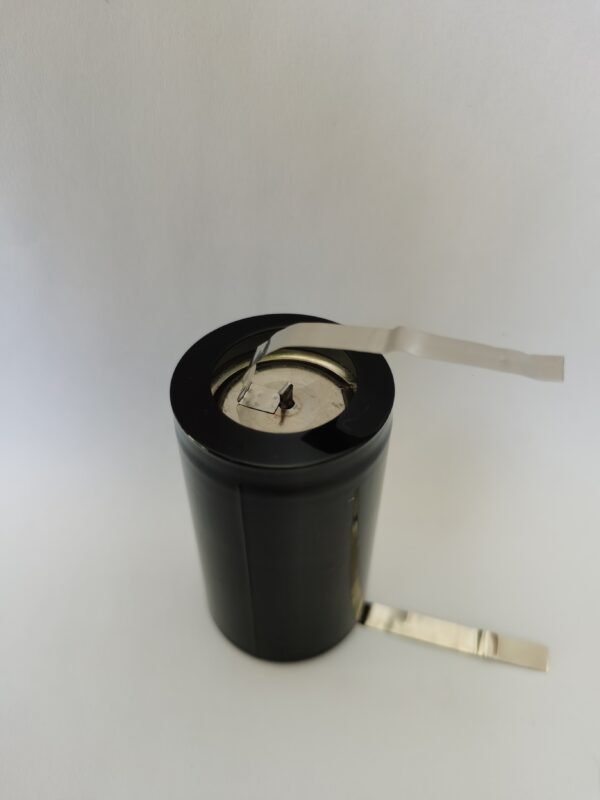
Why Li-S Batteries Lose Capacity in Ocean Current Monitoring Sensors
Ocean current monitoring sensors represent one of the most demanding applications for power systems in marine environments. Among various battery technologies, Lithium-Sulfur (Li-S) batteries have attracted significant attention for their high theoretical energy density. However, field deployments consistently reveal premature capacity degradation that undermines long-term monitoring reliability. This article examines the fundamental mechanisms behind Li-S battery capacity loss in ocean monitoring applications and provides technical insights for engineering teams evaluating power solutions.
Understanding Li-S Battery Fundamentals
Li-S batteries operate through a conversion reaction between lithium metal anodes and sulfur cathodes, theoretically delivering energy densities up to 2,600 Wh/kg—significantly higher than conventional lithium-ion systems. The electrochemical process involves multi-electron transfer reactions where sulfur transforms through various polysulfide intermediates (Li₂Sₓ, where 4≤x≤8) during discharge. While this chemistry offers compelling advantages for weight-sensitive marine deployments, the same reaction pathway creates inherent vulnerability in harsh oceanic conditions.
Primary Capacity Loss Mechanisms
1. Polysulfide Shuttle Effect
The most significant degradation pathway in Li-S systems stems from polysulfide dissolution. During operation, intermediate lithium polysulfides dissolve into the electrolyte and migrate between electrodes. In ocean monitoring sensors with intermittent duty cycles, this shuttle effect accelerates capacity fade through several mechanisms:
- Active material loss: Dissolved polysulfides become electrochemically inaccessible
- Anode corrosion: Migrating polysulfides react with lithium metal, forming inactive compounds
- Self-discharge acceleration: Continuous redox shuttling drains stored energy even during sensor idle periods
Field data from North Atlantic deployments show 15-25% capacity loss within the first six months attributable primarily to this mechanism.
2. Marine Environment Corrosion
Ocean current monitoring sensors operate in environments with 95%+ relative humidity, salt spray exposure, and temperature fluctuations between -2°C to 35°C. These conditions create unique stress factors:
- Moisture ingress: Even hermetically sealed housings experience micro-permeation over extended deployments, causing electrolyte contamination
- Chloride ion penetration: Salt aerosols accelerate casing corrosion, potentially compromising battery enclosure integrity
- Thermal cycling: Daily temperature variations induce mechanical stress on electrode interfaces, increasing internal resistance
Primary lithium battery systems designed for marine applications require specialized sealing technologies and corrosion-resistant materials to mitigate these effects.
3. Electrolyte Decomposition
Li-S batteries typically employ ether-based electrolytes optimized for polysulfide solubility. However, these organic solvents exhibit limited stability under marine operating conditions:
- Hydrolysis reactions: Trace moisture triggers electrolyte decomposition, generating acidic byproducts
- Oxidation at high potentials: Extended storage at partial state-of-charge accelerates solvent breakdown
- Viscosity changes: Temperature fluctuations alter electrolyte transport properties, affecting ion mobility
Comparative Performance Analysis
When evaluating power solutions for ocean monitoring applications, engineering teams must consider total cost of ownership beyond initial specifications. Primary lithium batteries (Li-SOCl₂ chemistry) demonstrate superior performance in several critical parameters:
| Parameter | Li-S Battery | Primary Li-SOCl₂ |
|---|---|---|
| Energy Density | 400-600 Wh/kg | 500-700 Wh/kg |
| Self-discharge Rate | 5-10%/month | 1-2%/year |
| Operating Temperature | -20°C to 60°C | -55°C to 85°C |
| Service Life (marine) | 1-2 years | 10-15 years |
| Moisture Sensitivity | High | Low |
For long-term ocean current monitoring deployments requiring minimal maintenance, primary lithium systems offer more predictable performance profiles despite lower theoretical energy density.
Engineering Recommendations
Based on field deployment data and degradation analysis, we recommend the following approaches for ocean monitoring power systems:
For Short-term Research Deployments (<6 months): Li-S batteries may provide acceptable performance when weight constraints dominate design decisions. Implement redundant capacity margins of 40-50% to account for accelerated degradation.
For Long-term Monitoring Networks (>1 year): Primary lithium battery systems deliver superior reliability with proven track records in marine environments. The higher initial investment translates to reduced maintenance costs and data continuity.
Hybrid Approaches: Consider combining primary batteries with energy harvesting systems (wave, thermal gradient) for extended deployments requiring higher power bursts.
Conclusion
Li-S battery capacity loss in ocean current monitoring sensors results from complex interactions between electrochemical degradation mechanisms and harsh marine environmental factors. While the technology shows promise for specific applications, engineering teams must carefully evaluate deployment duration, maintenance accessibility, and data continuity requirements when selecting power systems.
For technical consultation on marine-grade battery solutions and customized power system design, our engineering team provides comprehensive support for ocean monitoring projects worldwide. Visit our primary battery product portfolio to explore marine-optimized solutions, or contact our technical team for application-specific recommendations.
Understanding these degradation mechanisms enables more informed procurement decisions and helps ensure reliable long-term ocean monitoring data collection—critical for climate research, navigation safety, and marine resource management initiatives.
