
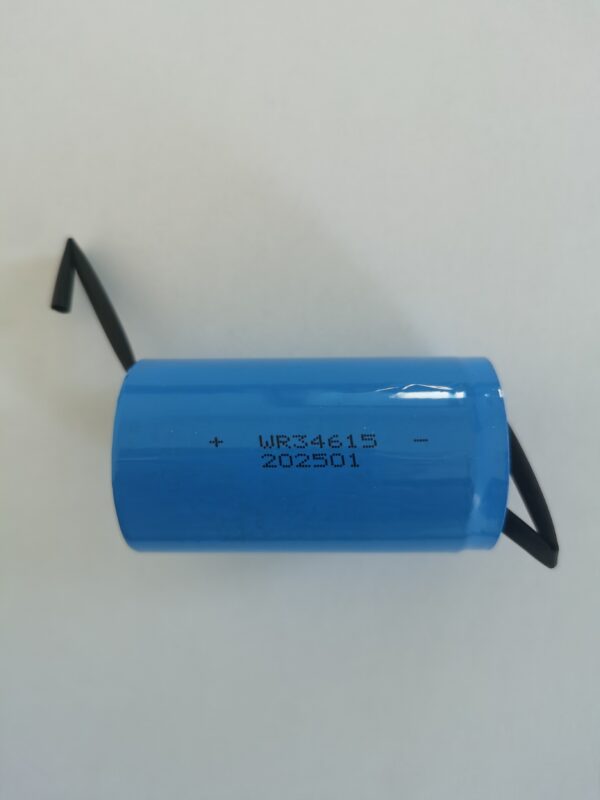
Why Li-MnO₂ Batteries Underperform in Smoke Detector Replacements
By Senior Lithium Battery Technology Specialist
Smoke detectors represent one of the most critical safety applications in residential and commercial buildings across North America, Europe, and Asia-Pacific regions. Yet, a persistent technical challenge remains: Li-MnO₂ (Lithium Manganese Dioxide) batteries frequently underperform when deployed as smoke detector replacements, despite their widespread availability in consumer markets. This analysis examines the technical root causes behind this performance gap, providing actionable insights for engineers and technical procurement specialists evaluating primary battery solutions for life-safety devices.
Understanding the Core Voltage Discrepancy
The fundamental limitation begins with nominal voltage specifications. Li-MnO₂ batteries operate at 3.0V nominal voltage with a cutoff threshold around 2.0V, whereas Li-SOCl₂ (Lithium Thionyl Chloride) chemistry delivers 3.6V nominal with superior voltage stability throughout discharge cycles. Smoke detector circuits, particularly photoelectric and ionization models compliant with UL 217 (United States) and EN 14604 (European Union) standards, are engineered around specific voltage windows that optimize sensor sensitivity and alarm trigger reliability.
When Li-MnO₂ cells approach end-of-life, voltage depression occurs more rapidly compared to Li-SOCl₂ alternatives. This creates premature low-battery warnings or, worse, undetected failures before the scheduled replacement interval—typically 10 years for integrated lithium smoke detectors per NFPA 72 guidelines.
Energy Density and Self-Discharge Rate Limitations
Li-MnO₂ batteries demonstrate energy density exceeding 200 Wh/kg, which appears adequate on paper. However, real-world smoke detector applications demand ultra-low drain profiles over extended periods—often 8-10 years of continuous standby with periodic alarm testing pulses. Li-SOCl₂ chemistry achieves energy density up to 590 Wh/kg, nearly triple that of Li-MnO₂ configurations.
More critically, self-discharge rates differ substantially. Li-MnO₂ cells experience approximately 1-2% annual self-discharge under optimal storage conditions, while premium Li-SOCl₂ batteries maintain less than 1% per year. Over a decade of deployment, this compounds into meaningful capacity loss that directly impacts replacement intervals and safety compliance audits.
For technical procurement teams managing large-scale installations across EU member states, US jurisdictions, or APAC markets, this translates into higher total cost of ownership when selecting Li-MnO₂ alternatives, despite lower initial unit pricing.
Temperature Performance and Environmental Adaptability
Smoke detectors operate in uncontrolled environmental conditions—attics reaching 60°C in summer, garages dropping below -20°C in winter climates. Li-MnO₂ electrolyte systems, typically based on LiClO₄ dissolved in PC (propylene carbonate) and DME (dimethoxyethane) mixtures, exhibit reduced ionic conductivity at temperature extremes.
Li-SOCl₂ chemistry demonstrates superior performance across -55°C to +85°C operational ranges, making it the preferred choice for installations in regions with significant seasonal variation, including Northern Europe, Canada, and Northern US states. This temperature resilience directly correlates with consistent alarm functionality during emergency scenarios where environmental stress coincides with fire events.
Testing Methodologies for Validation
Engineers evaluating battery replacements should implement standardized testing protocols:
- Constant Current Discharge Testing: Measure voltage profiles at 0.5mA to 2mA drain rates simulating smoke detector standby and alarm conditions
- Pulse Load Testing: Apply 100mA pulses for 5-10 seconds to replicate horn/strobe activation requirements
- Accelerated Aging Studies: Conduct elevated temperature storage (60°C for 1000+ hours) to project 10-year shelf life performance
- Compliance Verification: Ensure batteries meet IEC 60086-4, ANSI C18.3M, and regional safety certifications
These methodologies reveal performance gaps that standard multimeter voltage checks cannot detect, preventing field failures that compromise life-safety system integrity.
Regional Compliance and CNS Product Technical Barriers
For manufacturers and distributors targeting global markets, regional compliance creates additional technical barriers. European CE marking requirements under the Radio Equipment Directive (RED) and Low Voltage Directive (LVD) demand documented battery safety testing. US FCC Part 15 and UL certifications require traceable component sourcing with verified performance data.
CNS Battery has engineered primary battery solutions specifically addressing these regional compliance frameworks. Their Li-SOCl₂ product lines incorporate IEC 62133, UN 38.3 transportation certification, and RoHS/REACH compliance for EU market access, while maintaining UL recognition and ANSI standards alignment for North American deployments.
The technical differentiation lies in electrode manufacturing precision, electrolyte purity controls, and hermetic sealing processes that prevent leakage over decade-long service life. These manufacturing capabilities represent significant barriers to entry for generic Li-MnO₂ suppliers who cannot match the reliability requirements of life-safety applications.
For technical teams evaluating smoke detector battery specifications, the recommendation remains clear: prioritize Li-SOCl₂ chemistry for replacement applications where long-term reliability outweighs initial cost considerations. Li-MnO₂ batteries serve adequately in consumer electronics with shorter replacement cycles, but smoke detectors demand the superior energy density, voltage stability, and temperature performance that only Li-SOCl₂ technology consistently delivers.
Explore CNS Battery’s primary battery solutions engineered for life-safety applications: https://cnsbattery.com/primary-battery/
Contact our technical team for regional compliance documentation and specification sheets: https://cnsbattery.com/primary-battery-contact-us/
This analysis reflects current battery technology standards as of 2026, applicable to procurement decisions across EU, US, and APAC markets. Always verify local regulatory requirements before deployment.
