
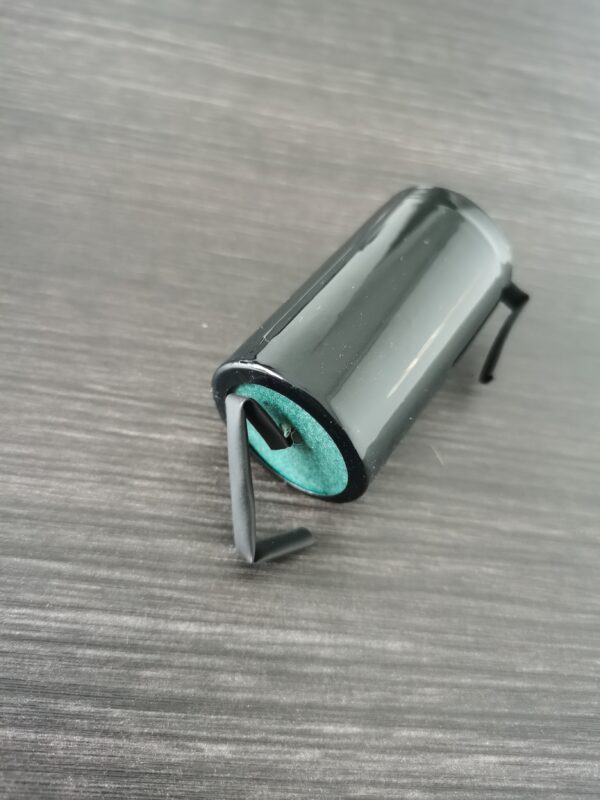
Why Li-MnO₂ Batteries Underperform in Bike Computers
The cycling technology sector has evolved rapidly over the past decade. Modern bike computers are no longer simple odometers; they are sophisticated GPS-enabled devices integrating Bluetooth connectivity, real-time telemetry, and navigation. While Lithium Manganese Dioxide (Li-MnO₂) batteries, typically in CR2032 or CR2450 formats, have long been the industry standard for low-drain electronics, their limitations are becoming increasingly apparent in high-performance cycling applications. For B2B procurement managers, engineers, and product designers, understanding why Li-MnO₂ chemistry may underperform in this specific context is critical for making informed sourcing decisions.
Technical Limitations in High-Drain Scenarios
The primary constraint of Li-MnO₂ batteries lies in their power density and internal resistance characteristics. While they offer a stable nominal voltage of 3.0V, their ability to sustain consistent voltage under moderate to high pulse loads is limited. Modern bike computers frequently transmit data packets to smartphones or head-up displays via Bluetooth Low Energy (BLE). These transmission bursts create current spikes that can cause significant voltage depression in Li-MnO₂ cells.
When the voltage drops below the device’s cutoff threshold during a transmission pulse, the bike computer may reset or fail to log data accurately. This phenomenon is often misinterpreted as a “dead battery,” when in reality, the remaining capacity is inaccessible due to impedance mismatch. For OEMs designing devices intended for long-distance touring or competitive racing, this reliability gap is unacceptable.
Furthermore, energy density is a crucial factor. Li-MnO₂ cells generally offer lower volumetric energy density compared to Lithium Thionyl Chloride (Li-SOCl₂) alternatives. In compact bike computer housings where space is at a premium, maximizing operational life without increasing battery size is a key engineering challenge. Li-MnO₂ chemistry often necessitates more frequent battery replacements, which increases maintenance costs and negatively impacts the end-user experience.
Temperature Sensitivity and Environmental Resilience
Cycling is an outdoor activity subject to extreme environmental conditions. Riders often operate bike computers in temperatures ranging from sub-zero winter mornings to scorching summer afternoons. Li-MnO₂ batteries exhibit notable performance degradation in low-temperature environments. As the electrolyte conductivity decreases in the cold, internal resistance rises sharply.
In field tests, Li-MnO₂ cells have shown capacity retention rates dropping significantly below 0°C. For a bike computer mounted on handlebars exposed to wind chill, this can lead to premature failure during winter cycling seasons. In contrast, alternative primary lithium chemistries are engineered to maintain electrochemical stability across a wider thermal window. For B2B buyers targeting global markets, especially in North America and Northern Europe, temperature resilience is not just a feature—it is a compliance and safety necessity.
B2B Procurement and Compliance Considerations
When evaluating battery suppliers for bike computer manufacturing, technical specifications are only half the equation. Regulatory compliance and supply chain stability are equally vital. The regulatory landscape for batteries is tightening, particularly with the new EU Battery Regulation (EU) 2023/1542. This legislation mandates stricter requirements for carbon footprint declarations, recycling content, and due diligence in the supply chain.
Procurement teams must ensure that their battery partners are fully compliant with UN38.3 transportation standards and regional disposal directives. Sourcing Li-MnO₂ batteries that lack proper documentation can lead to customs delays and legal liabilities. Moreover, the total cost of ownership (TCO) should be calculated not just on the unit price of the cell, but on the lifecycle performance. A cheaper Li-MnO₂ cell that requires replacement twice a year is more expensive than a premium alternative lasting three years, when factoring in warranty claims and customer support.
Strategic Sourcing for Enhanced Performance
To mitigate the underperformance risks associated with standard Li-MnO₂ cells, manufacturers should consider hybrid power solutions or high-grade primary lithium options tailored for IoT and telemetry. It is essential to partner with suppliers who offer technical consultation on chemistry selection rather than just catalog sales.
For companies seeking reliable primary battery solutions that address these technical challenges, exploring specialized product lines is recommended. You can review a comprehensive range of industrial-grade options at https://cnsbattery.com/primary-battery/. These solutions are designed to meet the rigorous demands of modern electronic devices, ensuring stable voltage delivery and extended service life.
Conclusion
While Li-MnO₂ batteries remain suitable for low-drain memory backup, their limitations in voltage stability, temperature resilience, and energy density make them suboptimal for advanced bike computers. B2B decision-makers must prioritize battery chemistry that aligns with the power profile of their devices. By focusing on compliance, total cost of ownership, and technical suitability, manufacturers can avoid the pitfalls of underperformance.
For further technical consultation or to discuss custom battery integration for your cycling technology products, please reach out to our engineering team directly. We are ready to assist with compliance documentation and prototype testing. Contact us today at https://cnsbattery.com/primary-battery-contact-us/ to ensure your next product generation delivers the reliability your customers expect.
