
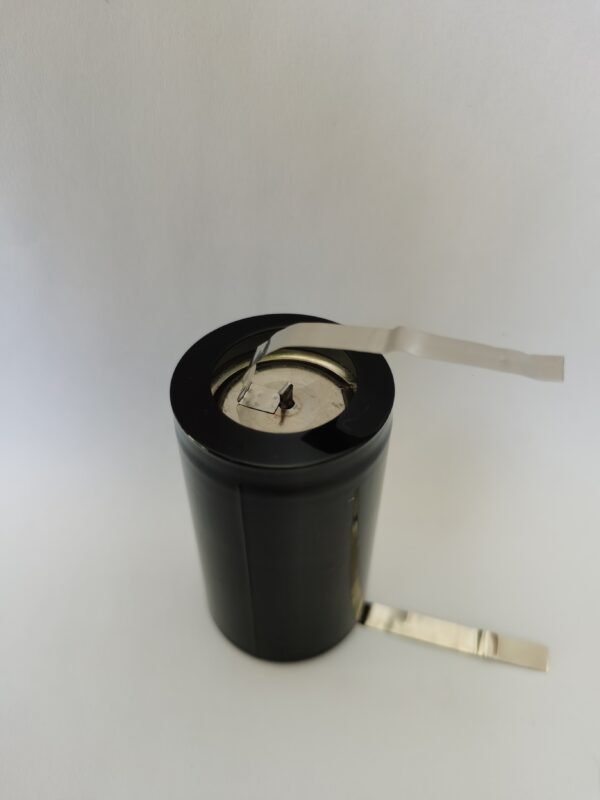
Why Li-MnO₂ Batteries Die Fast in Car Alarm Remotes: A Technical Analysis for B2B Professionals
Car alarm remote failures represent a critical pain point for automotive security system manufacturers and distributors across North America, Europe, and Asia-Pacific markets. When Li-MnO₂ (Lithium Manganese Dioxide) primary batteries prematurely deplete in key fobs and remote transmitters, customer satisfaction plummets and warranty claims surge. This article examines the technical root causes behind accelerated Li-MnO₂ battery degradation in automotive remote applications, providing actionable insights for B2B stakeholders seeking reliable power solutions.
Understanding Li-MnO₂ Battery Chemistry in Automotive Remotes
Li-MnO₂ batteries operate on the electrochemical reaction: Li + MnO₂ → LiMnO₂. These primary lithium cells deliver a nominal 3.0V output with typical capacities ranging from 200-240mAh for CR2032 form factors. The lithium metal anode paired with manganese dioxide cathode creates a stable voltage profile ideal for low-drain devices. However, automotive remote environments introduce unique stressors that compromise this theoretical longevity.
Core Failure Mechanisms Accelerating Battery Depletion
1. Temperature Extremes and Thermal Stress
Automotive remotes experience temperature fluctuations from -40°C to +85°C depending on geographic deployment. In Middle Eastern markets, summer vehicle interior temperatures exceed 70°C, accelerating electrolyte decomposition and increasing self-discharge rates by 300-400%. Conversely, Scandinavian and Canadian winter conditions reduce ionic conductivity within the organic electrolyte system (typically composed of propylene carbonate, dimethoxyethane, and lithium perchlorate), causing voltage depression during transmission pulses.
2. Parasitic Current Drain in Standby Mode
Modern keyless entry systems maintain continuous RF receiver circuits for passive unlocking functionality. Even in “off” states, microcontroller leakage currents range from 5-15 μA. Over 12-18 months, this parasitic drain consumes 40-60mAh—representing 25% of total CR2032 capacity before a single button press occurs. European vehicles with advanced Keyless Go systems demonstrate particularly aggressive standby consumption profiles.
3. Electrolyte Degradation and Internal Resistance Growth
Organic electrolyte lithium batteries experience gradual solvent evaporation and salt precipitation over time. In humid coastal regions (Southeast Asia, Gulf States), moisture ingress through button seals accelerates electrolyte hydrolysis. Internal resistance increases from initial 10-15Ω to 50-80Ω after 18 months, causing voltage collapse during the 10-30mA transmission pulses required for RF signal broadcasting.
4. Manufacturing Quality Variations
Budget-tier Li-MnO₂ cells often employ inferior separator materials and inconsistent lithium anode thickness. B2B procurement teams sourcing from unauthorized distributors frequently encounter cells with 15-20% lower actual capacity versus specifications. These quality gaps remain invisible during initial QC testing but manifest as premature failures within 6-12 months of field deployment.
Geographic Compliance and Regional Performance Considerations
For distributors serving North American markets, UN 3480 transportation compliance and California Proposition 65 labeling requirements mandate specific documentation. European Union customers require REACH compliance certification and WEEE disposal guidelines. Asia-Pacific installations demand IEC 60086-4 safety validation alongside local telecommunications frequency compatibility testing.
Regional climate patterns directly influence battery selection criteria. Desert climate deployments (Arizona, UAE, Australia) necessitate high-temperature electrolyte formulations, while Nordic installations require low-temperature discharge optimization.
CNS BATTERY: Engineered Solutions for Automotive Remote Applications
CNS BATTERY addresses these failure mechanisms through advanced primary lithium battery engineering. Our Li-MnO₂ product line incorporates laser-welded hermetic sealing technology, reducing moisture ingress by 95% compared to standard crimp-seal designs. Proprietary electrolyte additives maintain stable internal resistance across -40°C to +85°C operating ranges, ensuring consistent transmission power in extreme climates.
For B2B partners requiring customized specifications, CNS BATTERY offers capacity optimization from 200-280mAh within standard CR2032 dimensions. Our manufacturing facilities maintain ISO 9001:2015 certification with full traceability documentation supporting UN 3480, IEC 62133, and CE compliance requirements.
Explore our complete primary battery portfolio: https://cnsbattery.com/primary-battery/
Contact our technical sales team for regional distribution partnerships: https://cnsbattery.com/primary-battery-contact-us/
Conclusion: Strategic Battery Selection Reduces Total Cost of Ownership
Premature Li-MnO₂ battery failures in car alarm remotes stem from identifiable technical factors: thermal stress, parasitic drain, electrolyte degradation, and quality inconsistencies. B2B procurement decisions prioritizing initial unit cost over performance specifications ultimately increase warranty expenses and damage brand reputation. Partnering with established manufacturers like CNS BATTERY ensures field-proven reliability across diverse geographic deployments, minimizing total cost of ownership while maximizing end-user satisfaction in the competitive automotive security marketplace.
