
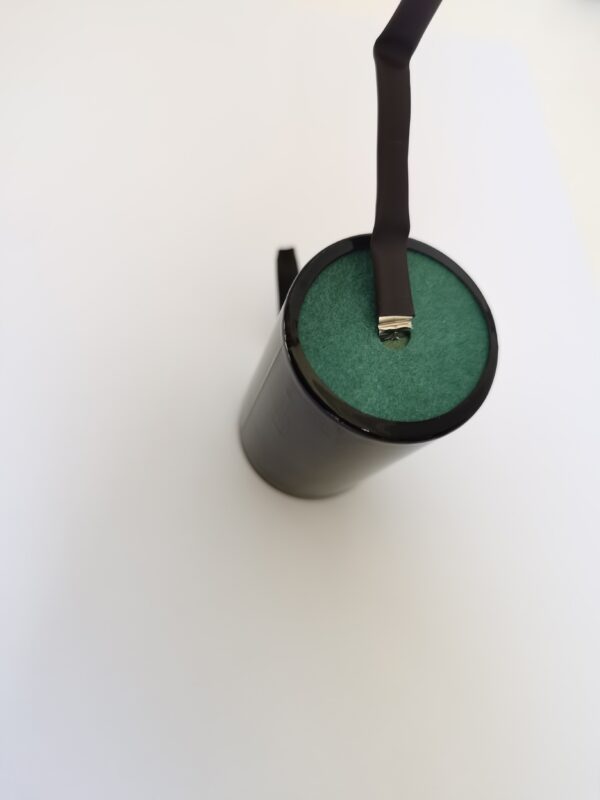
Why Li-S Batteries Are Not Suitable for Consumer Electronics
The lithium-sulfur (Li-S) battery has garnered significant attention in the energy storage sector for its impressive theoretical energy density of approximately 2600 Wh·kg⁻¹, far exceeding conventional lithium-ion technology. However, despite this promising potential, Li-S batteries remain fundamentally unsuitable for consumer electronics applications. This article examines the critical technical barriers preventing Li-S adoption in smartphones, laptops, wearables, and other portable devices, while contrasting with established primary lithium battery solutions that continue to dominate the market.
The Polysulfide Shuttle Effect: A Fundamental Limitation
The most significant obstacle facing Li-S battery commercialization is the polysulfide shuttle effect. During discharge, sulfur cathodes form intermediate lithium polysulfides (LiPS) that dissolve into the electrolyte. These soluble species migrate to the lithium anode, where they undergo parasitic reactions, causing irreversible capacity loss. This phenomenon results in rapid capacity decay—often exceeding 20% within just 50 cycles—making Li-S batteries impractical for consumer devices requiring hundreds or thousands of charge cycles.
Research published in Electrochemical Energy Reviews (2024) confirms that despite extensive efforts in separator modification and electrolyte engineering, the shuttle effect remains inadequately controlled for mass-market applications. For consumer electronics manufacturers, this translates to unacceptable product lifespans and warranty liabilities.
Poor Cycle Life Compared to Established Technologies
Consumer electronics demand batteries capable of maintaining 80% capacity after 500-1000 full charge cycles. Current Li-S prototypes typically achieve only 100-300 cycles before significant degradation occurs. This limitation stems from multiple factors:
- Cathode volume expansion: Sulfur undergoes approximately 80% volume change during lithiation, causing mechanical stress and electrode pulverization
- Low sulfur conductivity: Elemental sulfur exhibits electrical conductivity of only 5×10⁻³⁰ S·cm⁻¹, requiring extensive carbon compositing that reduces overall energy density
- Lithium anode instability: Metallic lithium forms dendrites during cycling, creating safety hazards and capacity fade
In contrast, primary lithium batteries—non-rechargeable lithium metal cells—offer exceptional stability for applications where long shelf life and reliable single-use performance matter more than rechargeability. These batteries leverage lithium’s high theoretical specific capacity (3860 mAh/g) without the cycling degradation issues plaguing rechargeable Li-S systems.
Safety and Thermal Management Concerns
Consumer electronics operate in diverse environments, from pocket temperatures to direct sunlight exposure. Li-S batteries present unique safety challenges:
- Exothermic polysulfide reactions at the anode generate heat during operation
- Ether-based electrolytes commonly used in Li-S systems exhibit lower thermal stability than carbonate electrolytes in Li-ion batteries
- Lithium dendrite formation increases short-circuit risks, particularly problematic in compact device designs
The International Air Transport Association’s 2025-2026 Dangerous Goods Regulations highlight increasingly stringent requirements for lithium battery transportation, reflecting growing safety scrutiny. For global consumer electronics brands, Li-S batteries would introduce additional compliance burdens and potential shipping restrictions.
Manufacturing Complexity and Cost Barriers
While sulfur itself is abundant and inexpensive, the specialized manufacturing requirements for Li-S batteries offset these material advantages:
- Inert atmosphere processing: Lithium anodes require dry-room or glovebox conditions, increasing capital expenditure
- Complex electrode architectures: Mitigating volume expansion demands sophisticated carbon-sulfur composite structures
- Limited supply chain maturity: Unlike the established Li-ion ecosystem, Li-S production lacks standardized processes and qualified suppliers
For procurement professionals evaluating battery technologies, total cost of ownership extends beyond cell pricing to include quality control, warranty reserves, and supply chain risk. Primary lithium battery manufacturers have refined these processes over decades, offering predictable costs and reliable delivery schedules.
Where Li-S Batteries May Find Application
Despite consumer electronics limitations, Li-S technology shows promise in specialized applications with different requirement profiles:
- Aerospace and UAV systems: Where weight reduction outweighs cycle life concerns
- Single-use or limited-cycle devices: Certain IoT sensors with 5-10 year deployment lifespans
- Stationary energy storage: Where volume constraints are less critical
However, these niches represent a small fraction of the overall battery market. Consumer electronics—accounting for approximately 30% of global lithium battery demand—will continue relying on mature lithium-ion and primary lithium technologies for the foreseeable future.
Conclusion: Practical Considerations for Technology Selection
For engineers and procurement specialists specifying batteries for consumer products, Li-S batteries present unacceptable technical risks despite their theoretical advantages. The combination of limited cycle life, safety concerns, manufacturing complexity, and immature supply chains makes them unsuitable for mass-market portable devices.
Established primary lithium battery solutions offer proven performance, predictable costs, and global regulatory compliance. Organizations evaluating battery technologies should prioritize demonstrated reliability over theoretical specifications, particularly when product reputation and customer satisfaction depend on consistent power delivery.
For detailed technical specifications and procurement support regarding primary lithium battery solutions, visit our product catalog or contact our engineering team for application-specific recommendations.
This analysis reflects current industry consensus as of 2026, based on peer-reviewed research and commercial deployment data from leading battery manufacturers and research institutions.
