
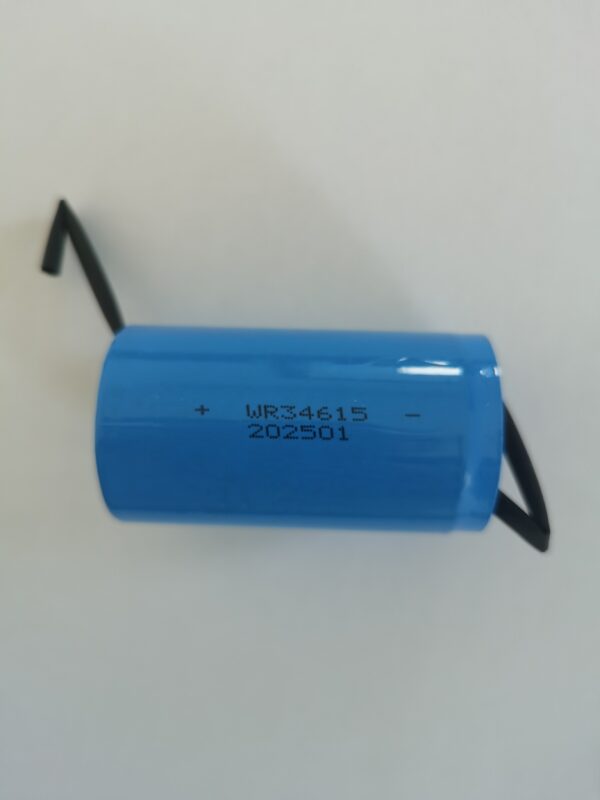
Wholesale Wide Temperature Lithium Battery | Bulk Industrial Supply
In the realm of industrial engineering and remote infrastructure deployment, power reliability is not merely a specification; it is the backbone of operational continuity. As industries increasingly deploy Internet of Things (IoT) sensors, automated metering infrastructure (AMI), and defense systems in harsh environments, the demand for wholesale wide temperature lithium battery solutions has surged. For technical purchasers and engineering teams, securing a bulk industrial supply chain that guarantees performance across extreme thermal ranges is critical. This article examines the technical imperatives of wide-temperature primary lithium batteries, the underlying chemistry that enables such resilience, and the strategic considerations for procuring bulk industrial power sources.
The Critical Need for Wide-Temperature Performance
Standard consumer-grade batteries often fail when exposed to temperatures below -20°C or above 60°C. In contrast, industrial applications—ranging from upstream oil and gas monitoring to arctic research stations—require power sources capable of functioning seamlessly between -55°C and +85°C, with some specialized cells operating up to 150°C.
The failure of a battery in these contexts does not just mean a device shutdown; it can result in data loss, safety hazards, or costly maintenance interventions in inaccessible locations. Therefore, sourcing from a supplier that specializes in bulk industrial supply ensures that every cell in a batch meets rigorous consistency standards, minimizing the risk of field failure.
Technical Core: Primary Lithium Metal Chemistry
To understand why specific lithium batteries excel in wide-temperature applications, one must look beyond the generic label of “lithium battery.” While rechargeable lithium-ion batteries dominate consumer electronics, primary lithium metal batteries are the gold standard for long-life, extreme-temperature industrial use.
Lithium Thionyl Chloride (Li-SOCl2) Technology
The most prevalent chemistry for wide-temperature applications is Lithium Thionyl Chloride (Li-SOCl2). This non-rechargeable system offers several distinct advantages:
- High Energy Density: Li-SOCl2 batteries boast one of the highest energy densities among commercial batteries, reaching up to 590 Wh/kg. This allows for compact device design without sacrificing operational lifespan, which is crucial for space-constrained industrial sensors.
- Voltage Stability: With a nominal voltage of 3.6V and a flat discharge curve, these batteries provide consistent power delivery throughout their lifecycle. This stability is vital for precision instrumentation where voltage drops can skew data readings.
- Thermal Resilience: The chemical stability of the thionyl chloride cathode and lithium anode allows operation in extremes where aqueous electrolytes would freeze or boil. However, engineers must account for “voltage lag,” a phenomenon where passivation layers form on the lithium anode during high-temperature storage, causing a temporary voltage drop upon low-temperature discharge. High-quality manufacturers mitigate this through electrolyte additives and precise electrode engineering.
Lithium Manganese Dioxide (Li-MnO2)
For applications requiring higher pulse currents alongside wide temperature tolerance, Lithium Manganese Dioxide (Li-MnO2) is often preferred. Operating typically at 3.0V, these batteries offer lower internal impedance, making them suitable for devices that require periodic high-current bursts, such as wireless transmission modules in smart metering.
For a comprehensive overview of available chemistries and technical specifications tailored to industrial needs, engineers should review the detailed catalog at https://cnsbattery.com/primary-battery/.
Strategic Procurement: Bulk Industrial Supply Considerations
When transitioning from prototype to mass deployment, the procurement strategy shifts from evaluating single-cell performance to assessing supply chain reliability. Wholesale purchasing of wide-temperature lithium batteries involves several key factors:
1. Batch Consistency and Quality Control
In a bulk order of 10,000+ units, variance is the enemy. Industrial-grade suppliers must adhere to strict ISO standards, ensuring that internal impedance, capacity, and self-discharge rates remain within tight tolerances across production lots. Inconsistent cells can lead to imbalanced battery packs or unpredictable device shutdowns.
2. Customization and Pack Assembly
Off-the-shelf cylindrical cells (such as ER14505 or ER34615) are common, but many industrial applications require custom battery packs with specific connectors, wiring harnesses, or protection circuits. A capable wholesale partner should offer engineering support to design packs that withstand the same thermal extremes as the cells themselves, including robust welding and insulation suitable for high-vibration environments.
3. Compliance and Safety Documentation
Lithium metal batteries are classified as hazardous goods for transport (Class 9). Bulk suppliers must provide full compliance documentation, including UN38.3 test reports, MSDS, and certificates of origin. This is essential for logistics, especially when shipping internationally to project sites in remote regions.
4. Long-Term Availability
Industrial projects often have lifecycles spanning 10 to 15 years. Engineers must ensure that the selected battery model will not be discontinued mid-project. Established manufacturers commit to long-term production runs for standard industrial sizes, preventing the need for costly device redesigns due to component obsolescence.
Partnering for Reliability
Selecting the right supplier is as important as selecting the right chemistry. A reliable partner acts as an extension of your engineering team, offering technical consultation on thermal management, discharge profiles, and storage conditions. Whether you are equipping a fleet of asset trackers or powering a network of environmental sensors, the integrity of your power supply dictates the integrity of your data.
For organizations seeking to secure a resilient power infrastructure, evaluating the technical capabilities and supply capacity of your battery partner is the first step. Detailed inquiries regarding custom specifications, bulk pricing tiers, and lead times should be directed to the specialized support team. You can initiate this partnership by visiting https://cnsbattery.com/primary-battery-contact-us/ to discuss your specific industrial requirements.
Conclusion
The deployment of technology in extreme environments demands power sources that do not compromise. Wide-temperature primary lithium batteries, particularly those utilizing Li-SOCl2 chemistry, provide the energy density and thermal resilience required for modern industrial challenges. By prioritizing batch consistency, compliance, and technical support in your wholesale procurement strategy, you ensure that your devices remain operational regardless of the external climate. Secure your supply chain with a partner dedicated to industrial excellence, and guarantee the longevity of your critical infrastructure.
