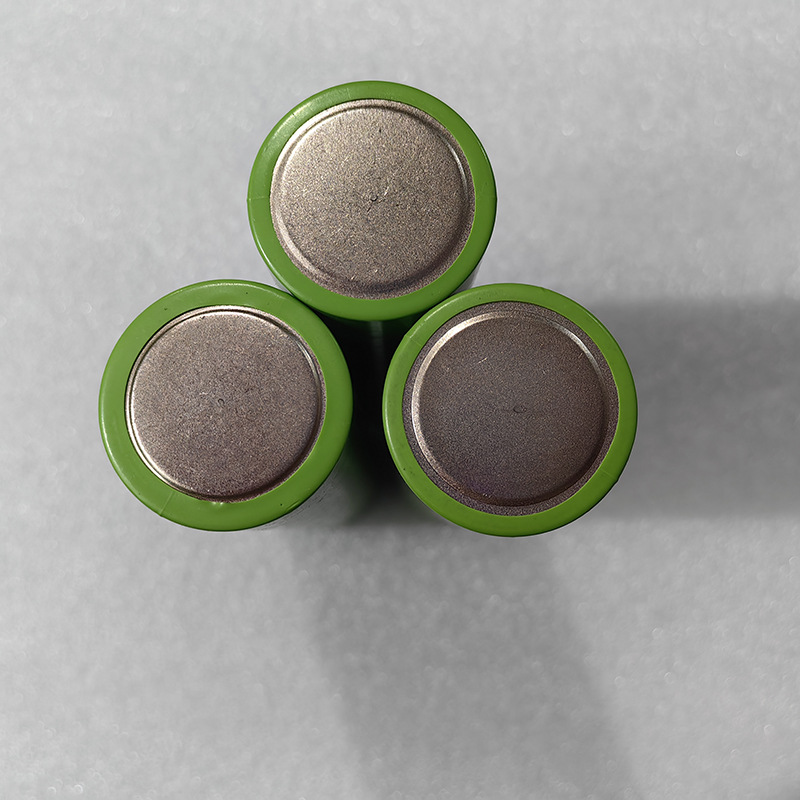
Wholesale 21700 LFP Batteries – Best Prices 2026
The global battery market is currently undergoing a massive shift from the traditional 18650 format to the more efficient 21700 standard. For engineers and procurement managers working on energy storage systems (ESS), electric vehicles (EVs), or high-drain power tools, this transition is no longer optional—it is mandatory for staying competitive. If you are currently sourcing Wholesale 21700 LFP Batteries in 2026, your primary concerns likely revolve around supply chain stability, cost-per-cycle efficiency, and technical support. This article cuts through the marketing noise to provide a technical buyer’s guide to securing the best prices and performance from a reputable China battery manufacturer.
Why the 21700 Format Dominates 2026 Supply Chains
Before diving into pricing strategies, it is crucial to understand the engineering rationale behind the industry-wide pivot to the 21700 form factor. Unlike the older 18650 cells, the 21700 format (21mm diameter, 70mm height) offers a superior surface-area-to-volume ratio.
Technical Advantage: The larger size allows for a reduction in the number of cells required in a Battery Management System (BMS). Fewer cells mean fewer connection points, which directly translates to lower internal resistance, reduced Battery Pack weight, and improved thermal management. For your procurement department, this means lower assembly costs and fewer points of failure in the field.
Decoding “Best Price” in 2026: LFP vs. NMC
When searching for “Best Prices,” it is easy to be lured by low NMC (Nickel Manganese Cobalt) quotes. However, for most industrial and energy storage applications, LFP (Lithium Iron Phosphate) chemistry is the smarter economic choice in 2026.
- Safety: LFP is inherently more stable than NMC, with a higher thermal runaway threshold.
- Longevity: LFP cells typically offer 4,000 to 6,000 charge cycles, significantly outlasting NMC’s 500-1,500 cycles.
- Cost Efficiency: While the upfront cost might be similar, the cost per cycle of LFP is drastically lower.
For bulk buyers, focusing on high-quality 21700 LFP cells ensures that your “Best Price” isn’t just a low initial quote, but a long-term investment in durability.
Technical Specifications: What to Look for in a 21700 Cell
Not all 21700 cells are created equal. As a technical buyer, you must scrutinize the datasheet. Below is a reference specification table based on industry-leading standards, such as those offered by top-tier manufacturers.
| Parameter | Standard Value (INR) | High-Performance (IFR) | Application Focus |
|---|---|---|---|
| Model | 21700 | 21700 | 21700 |
| Nominal Capacity | 4000mAh – 5000mAh | 4000mAh – 5500mAh | Energy Density / Power |
| Nominal Voltage | 3.6V – 3.7V | 3.2V (LFP) | Voltage Stability |
| Max Continuous Discharge | 10A – 45A | 35A – 50A | Power Tools / EV |
| Energy Density | High | Ultra-High | Space-constrained devices |
Key Insight: If your application requires high current bursts (such as in power tools), look for “Power” type cells (often denoted as IFR or INR with high C-ratings). For consumer electronics or E-bikes where runtime is king, prioritize “Energy” type cells with capacities exceeding 5000mAh.
Supply Chain Strategy: How to Secure Wholesale Rates
Securing the “Best Price” in 2026 requires more than just sending a Request for Quotation (RFQ). It requires building a partnership with a manufacturer that has vertical integration capabilities.
- Minimum Order Quantity (MOQ): Most manufacturers offer tiered pricing. Standard off-the-shelf cells might have a lower barrier to entry, but custom-branded or high-spec cells often require an MOQ of 10,000 to 100,000 units to unlock the deepest discounts.
- Customization vs. Standardization: While standard 21700 cells are cheaper, if your BMS design requires specific tab configurations, protective circuits, or custom labeling, partnering with a manufacturer that offers OEM services can save you money on secondary processing.
- Logistics Costs: When evaluating the “Best Price,” always calculate the landed cost. A slightly higher FOB price from a manufacturer near a major port (like those in Zhengzhou) can be cheaper than a lower quote with high shipping surcharges.
Partnering with a Leading China Battery Manufacturer
Navigating the Chinese manufacturing landscape can be daunting. The key is to work with a company that acts as an engineering partner, not just a factory. A reliable partner should offer:
- R&D Collaboration: Assistance with integrating the cell into your specific BMS and thermal housing.
- Certifications: Full compliance with UN38.3, MSDS, CE, and RoHS for international shipping.
- Transparency: Full traceability of materials and manufacturing processes.
Companies that have been in the industry since the 1990s often have the infrastructure to handle large-scale global logistics while maintaining strict quality control, ensuring that the cells you receive match the specifications promised.
Conclusion: Moving Forward with Your Project
In the quest for Wholesale 21700 LFP Batteries in 2026, the cheapest option is rarely the most profitable in the long run. By prioritizing technical specifications, cycle life, and supply chain reliability, you position your product for success in a competitive market.
If you are ready to move forward with a sample request or discuss your specific volume requirements, the next step is to connect with the manufacturer directly.
- Explore the Product Range: For detailed technical datasheets on 21700, 18650, and 32700 cylindrical cells, visit the Cylindrical Battery Cell product page.
- Contact the Manufacturer: To consult on custom solutions or request a quotation, please use the Contact Information page.
- Learn More About the Industry: For a deeper dive into what defines a top-tier Battery Manufacturer in China, explore the company profile and capabilities.