
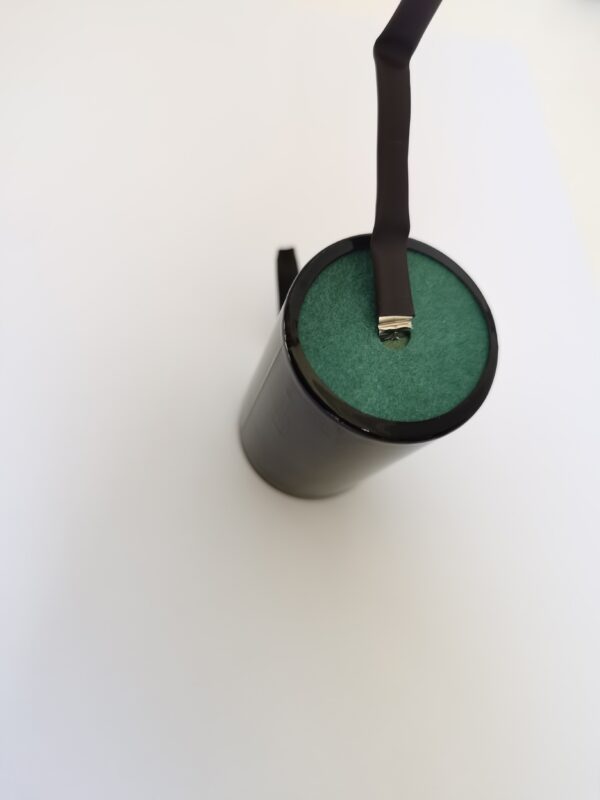
What to Ask a Lithium Battery Supplier About Raw Material Sourcing
In the rapidly evolving landscape of lithium metal primary battery manufacturing, raw material sourcing has become a critical differentiator between reliable suppliers and those posing supply chain risks. For B2B buyers, procurement managers, and engineering teams evaluating lithium battery partners, understanding what questions to ask about raw material sourcing can mean the difference between product success and costly failures. This guide provides essential inquiry frameworks for vetting lithium battery suppliers from a professional industry perspective.
Why Raw Material Sourcing Matters in Lithium Primary Batteries
Lithium metal primary batteries rely on high-purity lithium anodes, specialized cathode materials, and precision electrolyte formulations. The quality, traceability, and ethical sourcing of these materials directly impact battery performance, safety, and regulatory compliance. With global supply chains under increasing scrutiny, buyers must verify supplier transparency at every stage.
Core Questions for Supplier Evaluation
1. What Is Your Lithium Metal Source and Purity Grade?
High-purity lithium metal (typically 99.9% or higher) is fundamental to primary battery performance. Ask suppliers to disclose their lithium sourcing origins, whether from Australian spodumene, South American brine operations, or recycled streams. Request certificates of analysis (CoA) verifying purity levels and impurity profiles. Suppliers working with established mining partners in Australia, Chile, or China demonstrate stronger supply chain stability.
2. How Do You Ensure Cathode Material Consistency?
For lithium primary chemistries like Li-SOCl₂, Li-MnO₂, or Li-CFx, cathode material specifications determine voltage characteristics and discharge profiles. Inquire about cathode supplier qualifications, batch-to-batch consistency testing protocols, and whether materials meet IEC 60086 standards. Reputable manufacturers maintain long-term partnerships with certified cathode producers and conduct incoming quality inspections on every shipment.
3. What Electrolyte Formulation Controls Are in Place?
Electrolyte composition affects operating temperature ranges, shelf life, and safety performance. Ask about solvent purity, salt concentration controls, and moisture management during electrolyte preparation. Leading suppliers operate dry room environments with dew points below -40°C and maintain strict contamination controls. Request documentation on electrolyte testing procedures and shelf-life validation data.
4. Can You Provide Full Material Traceability?
Complete traceability from raw material to finished cell is essential for quality investigations and regulatory compliance. Suppliers should maintain batch records linking raw material lots to production runs and final product serial numbers. This capability becomes critical during field failure analysis or when meeting automotive, medical, or aerospace customer requirements.
5. What Conflict Mineral and ESG Compliance Do You Maintain?
Global regulations increasingly require conflict mineral disclosures and environmental, social, governance (ESG) compliance. Verify supplier adherence to Dodd-Frank Act requirements, EU Conflict Minerals Regulation, and responsible sourcing initiatives like the Responsible Minerals Initiative (RMI). Ethical sourcing documentation protects your brand reputation and ensures market access.
6. How Do You Manage Supply Chain Risk and Continuity?
Ask about raw material inventory levels, secondary supplier qualifications, and business continuity planning. The 2020-2023 supply chain disruptions highlighted vulnerabilities in single-source dependencies. Suppliers with diversified sourcing strategies, regional warehousing, and safety stock policies demonstrate stronger resilience. Inquire about their capacity to scale production during demand surges.
7. What Quality Certifications Cover Raw Material Controls?
ISO 9001 certification provides baseline quality management validation, but industry-specific certifications offer deeper assurance. Look for IATF 16949 (automotive), ISO 13485 (medical), or AS9100 (aerospace) qualifications. These standards include stringent raw material control requirements and regular third-party audits.
Technical Verification Best Practices
Beyond questioning, implement verification protocols:
- Request sample testing from multiple production batches
- Conduct supplier audits focusing on raw material receiving and storage areas
- Review incoming inspection records for trend analysis
- Validate test equipment calibration and laboratory accreditations
Building Long-Term Supplier Partnerships
Transparent raw material sourcing discussions establish trust and align expectations. Suppliers willing to share detailed sourcing information typically demonstrate confidence in their supply chain integrity. For comprehensive lithium primary battery solutions and direct supplier engagement, visit our product portfolio to explore certified offerings.
When evaluating potential partners, prioritize suppliers who proactively address sourcing questions rather than deflecting them. This openness indicates mature quality systems and customer-focused operations.
Next Steps for Procurement Teams
Develop a standardized supplier questionnaire incorporating these raw material sourcing elements. Schedule technical meetings with supplier quality and engineering teams to discuss specifics. Document all responses and establish periodic review cycles to monitor ongoing compliance.
For detailed technical consultations or to initiate supplier qualification processes, contact our team for direct engagement with battery specialists who understand raw material complexities.
Conclusion
Raw material sourcing transparency separates premium lithium battery suppliers from commodity vendors. By asking the right questions about lithium purity, cathode consistency, electrolyte controls, traceability, ESG compliance, supply continuity, and quality certifications, B2B buyers can make informed decisions that protect product performance and brand reputation. In an industry where material quality directly determines battery reliability, thorough supplier vetting remains the most effective risk mitigation strategy.
Invest time in sourcing diligence upfront to avoid costly quality issues downstream. Your battery supplier should welcome these conversations as opportunities to demonstrate their commitment to excellence and long-term partnership value.
