
What Primary Lithium Battery Is Best for Polar Research Equipment?
Polar research operations demand power sources that can withstand some of the harshest environmental conditions on Earth. When temperatures plummet to -40°C or lower, standard battery chemistries fail, risking data loss and equipment malfunction. For procurement managers and engineering teams deploying instruments in Antarctica or the Arctic, selecting the right primary lithium battery is not merely a technical specification—it is a mission-critical decision.
The Chemistry Challenge: Why Standard Batteries Fail
In extreme cold, electrolyte viscosity increases, and internal resistance spikes. Conventional alkaline or standard lithium-ion cells experience significant voltage depression or complete failure below -20°C. Research published in Nature Communications highlights that even advanced graphite anodes struggle below -20°C without active preheating systems, which consume valuable power reserves.
For unattended sensors, GPS trackers, and emergency beacons in polar regions, Lithium Thionyl Chloride (Li-SOCl2) remains the industry gold standard. This primary lithium chemistry offers several distinct advantages:
- Operating Temperature Range: Capable of functioning reliably from -55°C to +85°C.
- Energy Density: Up to 500 Wh/kg, minimizing payload weight for airborne or remote deployments.
- Voltage Stability: Maintains a flat discharge curve at 3.6V nominal, ensuring consistent sensor accuracy.
- Shelf Life: Less than 1% self-discharge per year, crucial for equipment stored between seasonal expeditions.
Technical Performance in Extreme Conditions
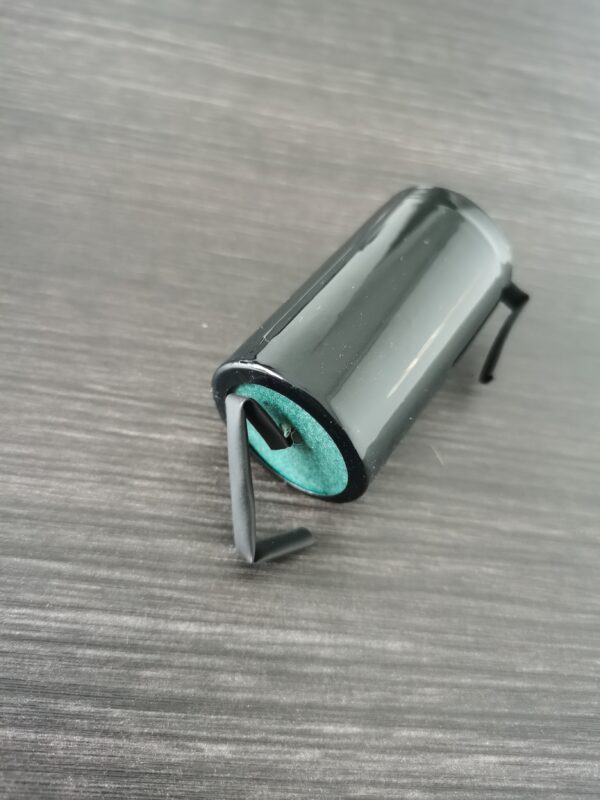
The bobbin-type construction of high-quality Li-SOCl2 cells is particularly suited for low-drain, long-duration applications common in polar research. Unlike spiral-wound cells designed for high current pulses, bobbin cells maximize energy density and prevent electrolyte leakage under thermal cycling.
For instruments requiring high current pulses (e.g., satellite data transmission), a hybrid layer approach is recommended. This combines a bobbin cell for baseline power with a spiral cell or capacitor to handle pulse loads up to 100mA. This configuration prevents voltage delay, a common phenomenon where the battery voltage temporarily drops under load after prolonged storage in cold conditions.
Case studies from Arctic monitoring stations indicate that equipment powered by specialized low-temperature primary lithium batteries maintained 90% capacity retention after 12 months at -40°C ambient temperature, whereas standard industrial cells failed within weeks.
Compliance and Logistics for Polar Deployment
Procuring batteries for international research stations involves strict regulatory compliance. All lithium primary batteries must meet UN38.3 testing standards for transportation safety. This includes tests for altitude simulation, thermal cycling, vibration, and external short circuit.
When shipping to polar regions, logistics often involve air freight via specialized cargo handlers. Procurement teams must ensure:
- MSDS Documentation: Up-to-date Material Safety Data Sheets are required for customs clearance.
- Packaging Certification: Batteries must be packed in UN-certified boxes with proper Class 9 hazard labels.
- State of Charge: While less critical for primary batteries than rechargeable ones, documentation must confirm non-spillable characteristics.
Failure to comply can result in shipment delays at transit hubs like Punta Arenas or Hobart, jeopardizing seasonal research windows.
Procurement Guidelines for B2B Buyers
When sourcing primary lithium batteries for polar equipment, price should not be the sole determinant. Low-cost cells often use inferior separators or lack proper safety vents, increasing the risk of failure in extreme cold.
Key Evaluation Criteria:
- Voltage Delay Testing: Request data on voltage recovery time after cold storage.
- Hermetic Sealing: Ensure glass-to-metal seals are used to prevent electrolyte evaporation over long durations.
- Customization: Research equipment often requires non-standard form factors or connector types.
For engineering teams requiring specific technical validation or custom battery packs designed for extreme environments, it is essential to partner with manufacturers who understand the nuances of polar deployment. You can review detailed product specifications and technical capabilities at https://cnsbattery.com/primary-battery/.
Conclusion
In the unforgiving environment of polar research, power reliability is synonymous with data integrity. Lithium Thionyl Chloride batteries offer the optimal balance of energy density, temperature tolerance, and shelf life required for these missions. By prioritizing compliance, verifying low-temperature performance data, and selecting reputable suppliers, procurement officers can ensure their equipment operates flawlessly from the Arctic Circle to the South Pole.
For further consultation on battery selection, compliance documentation, or custom engineering support, please reach out directly via https://cnsbattery.com/primary-battery-contact-us/. Investing in the right power source today prevents costly failures in the field tomorrow.
