
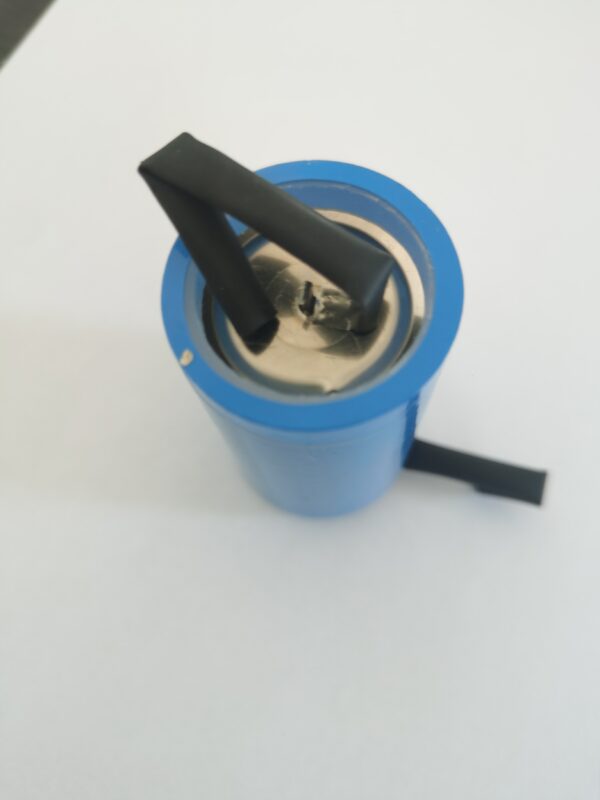
What Payment Terms Are Common for Lithium Battery Bulk Orders
When procuring lithium batteries in bulk quantities, understanding standard payment terms is as critical as evaluating technical specifications. For engineers and technical purchasers managing B2B transactions in the battery industry, payment structures directly impact cash flow, risk mitigation, and supply chain reliability. This article examines the most common payment terms for lithium battery bulk orders while providing essential context about lithium primary battery technology that influences commercial negotiations.
Understanding Lithium Primary Battery Technology
Before discussing payment structures, technical buyers should recognize what distinguishes lithium primary batteries from rechargeable alternatives. Lithium metal batteries (non-rechargeable) utilize lithium as the anode material paired with various cathode chemistries such as manganese dioxide (Li-MnO₂) or thionyl chloride (Li-SOCl₂). These batteries deliver nominal voltages ranging from 3.0V to 3.6V, significantly higher than alkaline counterparts.
The electrochemical reaction in lithium-thionyl chloride batteries, for instance, produces exceptional energy density (up to 500 Wh/kg) and ultra-low self-discharge rates (less than 1% per year). This makes them ideal for IoT devices, smart meters, and remote monitoring systems requiring 10-15 year operational lifespans. Such technical characteristics directly influence order volumes, lead times, and consequently, payment term negotiations.
Standard Payment Terms for Bulk Lithium Battery Orders
1. T/T (Telegraphic Transfer) with Deposit Structure
The most prevalent payment method in lithium battery manufacturing is T/T with a deposit-balanced structure. Industry standard typically requires 30% deposit upon order confirmation, with the remaining 70% payable before shipment or against copy of Bill of Lading.
This structure protects manufacturers against raw material cost fluctuations—particularly important given lithium carbonate price volatility—while providing buyers reasonable leverage on quality verification. For orders exceeding $100,000 USD, some manufacturers accept 30% deposit, 40% after production completion (with photo/video evidence), and 30% before shipment.
2. Irrevocable Letter of Credit (L/C at Sight)
For transactions above $200,000 USD or when dealing with new trading partners, Letter of Credit at sight remains the gold standard for risk mitigation. The L/C guarantees payment upon presentation of compliant shipping documents, including:
- Commercial Invoice
- Packing List
- Certificate of Origin
- UN38.3 Test Report (mandatory for lithium battery transport)
- Material Safety Data Sheet (MSDS)
Technical purchasers should ensure L/C terms explicitly reference compliance with IATA DGR (Dangerous Goods Regulations) and IMDG Code requirements, as lithium battery shipments face stringent transportation regulations. The 2025 updates to IATA regulations now mandate state-of-charge restrictions for certain lithium battery categories, making documentation accuracy paramount.
3. Open Account Terms (Established Relationships Only)
After 12-24 months of successful transaction history, manufacturers may extend Net 30 or Net 60 day terms to qualified buyers. This typically requires:
- Minimum annual purchase volume commitments
- Creditworthiness verification through third-party agencies
- Trade reference checks from existing suppliers
Open account terms improve buyer cash flow but generally include price premiums of 2-5% to offset manufacturer financing costs.
Technical Factors Influencing Payment Negotiations
Production Lead Time Considerations
Lithium primary battery manufacturing involves complex processes including electrode coating, cell assembly, electrolyte filling, and aging testing. Standard lead times range from 4-8 weeks for regular specifications, extending to 10-12 weeks for custom configurations. Longer lead times often justify more favorable payment terms for buyers, as manufacturers secure production capacity commitments.
Certification and Compliance Requirements
Bulk orders destined for regulated markets (EU, North America, Japan) require extensive certification including CE, UL, IEC 60086-4, and regional compliance marks. Certification costs ranging from $5,000-$20,000 USD are typically borne by buyers for custom specifications. Payment schedules should align certification milestone payments with actual testing progress rather than calendar dates.
Quality Assurance and Inspection Rights
Professional purchasers should negotiate pre-shipment inspection rights tied to payment milestones. Third-party inspection agencies can verify:
- Voltage consistency across production batches
- Capacity performance against specifications
- Physical dimensions and terminal configurations
- Packaging compliance with transportation regulations
Payment release should be contingent upon successful inspection reports, typically requiring 95%+ pass rates on critical parameters.
Risk Mitigation Strategies for International Transactions
Currency Exchange Considerations
Given USD dominance in international battery trade, buyers should consider forward contracts or currency hedging for orders with extended payment terms. Some manufacturers accept EUR or CNY payments, potentially reducing exchange rate exposure for European and Asian buyers.
Force Majeure Clauses
Lithium battery supply chains remain vulnerable to raw material shortages, regulatory changes, and transportation disruptions. Payment terms should include clear force majeure provisions defining:
- Acceptable delay thresholds (typically 30-60 days)
- Deposit refund conditions for cancelled orders
- Alternative fulfillment options during disruptions
Intellectual Property Protection
For custom battery configurations involving proprietary designs, payment terms should incorporate IP protection clauses. This includes non-disclosure agreements, tooling ownership definitions, and exclusivity periods where applicable.
Building Long-Term Supplier Relationships
Successful lithium battery procurement extends beyond individual transactions. Establishing annual framework agreements with predetermined pricing formulas (linked to lithium index prices) provides stability for both parties. Such agreements often include:
- Quarterly volume forecasts with 80% commitment accuracy
- Price adjustment mechanisms tied to raw material indices
- Priority production allocation during capacity constraints
- Technical support and joint development opportunities
For technical purchasers evaluating potential partners, request comprehensive documentation including ISO 9001 certification, production capacity details, and existing customer references in similar applications.
Conclusion
Payment terms for lithium battery bulk orders balance risk allocation between manufacturers and buyers while reflecting technical complexities inherent to electrochemical product manufacturing. Standard T/T structures (30/70 split) suit most transactions, with L/C options providing additional security for high-value orders. Understanding lithium primary battery technology—from cell chemistry to transportation regulations—enables more informed negotiation positions and stronger supplier partnerships.
For detailed product specifications and technical consultation on lithium primary battery solutions, visit our product page. To discuss custom requirements or request formal quotations with tailored payment terms, please contact our team.
This article serves as general guidance for B2B lithium battery procurement. Specific payment terms should be negotiated based on order value, relationship history, and applicable trade regulations.
