
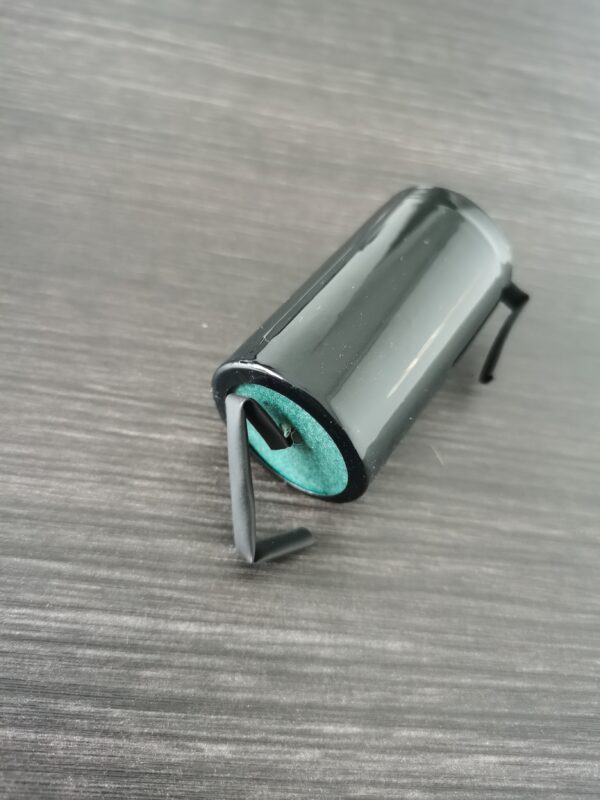
What Li-S Battery Is Best for Underwater Acoustic Sensors?
Underwater acoustic sensors represent one of the most demanding applications for primary lithium battery technology. These devices operate in extreme environments characterized by high pressure, corrosive seawater, limited maintenance access, and mission-critical reliability requirements. For B2B customers deploying ocean monitoring systems, defense applications, or offshore energy infrastructure, selecting the optimal lithium primary battery chemistry is not merely a technical decision—it is a strategic investment in operational continuity and data integrity.
Understanding the Battery Requirements for Underwater Acoustic Applications
Underwater acoustic sensors demand power sources that deliver exceptional energy density, stable voltage output over extended periods, and resistance to environmental stressors. The operational profile typically involves low-to-moderate continuous discharge rates punctuated by periodic high-current pulses during data transmission or active sonar operations. Deployment durations frequently span 12 to 60 months without battery replacement, making long-term reliability paramount.
Key performance parameters include:
- Operating temperature range: -40°C to +85°C
- Self-discharge rate: less than 1% per year
- Voltage stability: minimal sag under pulse loads
- Pressure resistance: capable of withstanding depths exceeding 6,000 meters
- Shelf life: 10+ years before deployment
Lithium Thionyl Chloride (Li-SOCl₂): The Industry Standard
While the term “Li-S” may reference lithium-sulfur chemistry in academic contexts, the proven solution for underwater acoustic sensors remains lithium thionyl chloride (Li-SOCl₂) primary battery technology. This chemistry delivers the highest practical energy density among commercial primary batteries, achieving up to 590 Wh/kg and 1,100 Wh/L in optimal configurations.
The electrochemical reaction (4Li + 2SOCl₂ → 4LiCl + S + SO₂) produces a nominal voltage of 3.6V, which aligns perfectly with the power requirements of most underwater sensor electronics. The bobbin-type construction further enhances performance by minimizing self-discharge and maximizing capacity retention during prolonged storage periods.
Critical Technical Considerations for Selection
1. Voltage Lag Mitigation
Traditional Li-SOCl₂ batteries exhibit voltage lag when transitioning from storage to active discharge, particularly after high-temperature storage followed by low-temperature operation. Advanced manufacturers have addressed this through proprietary electrolyte formulations and cathode modifications. For underwater applications where sensors may remain dormant for months before activation, selecting batteries with minimized voltage lag ensures reliable startup performance.
2. Pulse Current Capability
Underwater acoustic transducers require high-current pulses during signal transmission. Hybrid layer designs combining bobbin and spiral-wound elements enable these batteries to deliver pulse currents up to 100 mA while maintaining the energy density advantages of bobbin construction. This hybrid approach represents the optimal balance for most acoustic sensor applications.
3. Hermetic Sealing and Corrosion Resistance
The marine environment demands exceptional sealing integrity. Premium underwater-grade primary lithium batteries feature laser-welded hermetic seals with corrosion-resistant housing materials. Passivation layer control during manufacturing prevents electrolyte leakage and maintains performance throughout the deployment lifecycle.
4. Temperature Performance Optimization
Deep-water deployments experience temperatures near 2°C, while shallow-water or tropical applications may exceed 30°C. Quality Li-SOCl₂ batteries maintain over 90% capacity utilization across this range, though specific formulations may favor either extreme. Customers should match battery specifications to their operational depth profile.
Emerging Developments in Lithium Primary Technology
The primary lithium battery sector continues evolving with enhanced safety features and improved pulse performance. Recent innovations include:
- Advanced electrolyte additives that reduce passivation layer resistance
- Modified cathode structures improving high-rate discharge capability
- Smart battery management integration enabling remote state-of-charge monitoring
- Enhanced safety vents preventing catastrophic failure under extreme conditions
These developments particularly benefit underwater acoustic networks where multiple sensors operate in coordinated arrays requiring synchronized power performance.
Making the Right Choice for Your Application
Selecting the optimal primary lithium battery for underwater acoustic sensors requires careful evaluation of mission parameters, deployment duration, and environmental conditions. B2B customers should prioritize manufacturers with proven track records in marine applications, comprehensive testing documentation, and responsive technical support.
Key evaluation criteria include:
- Certified performance data under relevant conditions
- Quality management system certifications (ISO 9001, AS9100)
- Traceability and lot consistency
- Technical support availability for custom integration
For organizations evaluating battery solutions for underwater acoustic sensor deployments, partnering with an experienced primary battery manufacturer ensures access to application engineering support and customized solutions matching specific operational requirements.
Conclusion
The question of which Li-S battery best serves underwater acoustic sensors finds its answer in proven lithium thionyl chloride technology, enhanced by modern manufacturing innovations. For B2B customers investing in ocean monitoring infrastructure, defense systems, or offshore energy applications, the selection of high-quality primary lithium batteries represents a critical determinant of mission success. By prioritizing verified performance specifications, environmental resilience, and manufacturer expertise, organizations can ensure their underwater acoustic sensor networks deliver reliable data throughout extended deployment cycles.
For detailed product specifications and technical consultation on primary lithium battery solutions for underwater applications, visit our product page or contact our engineering team to discuss your specific requirements.
