
What Li-MnO₂ Battery Is Best for Digital Measuring Tools?
In the realm of precision engineering and industrial maintenance, digital measuring tools such as calipers, multimeters, laser distance meters, and torque testers are indispensable. The reliability of these instruments hinges not only on their sensors and software but fundamentally on their power source. For original equipment manufacturers (OEMs) and procurement specialists sourcing components for digital measuring devices, selecting the optimal Lithium Manganese Dioxide (Li-MnO₂) battery is a critical decision that impacts product longevity, safety, and brand reputation.
Understanding Li-MnO₂ Chemistry in Precision Instruments
Li-MnO₂ primary batteries, commonly recognized by the “CR” series designation (e.g., CR2032, CR2450), are the industry standard for digital measuring tools. Unlike alkaline alternatives, Li-MnO₂ chemistry offers a nominal voltage of 3.0V, which is essential for powering modern digital displays and laser modules efficiently.
The core advantage lies in voltage stability. Digital measuring tools require a consistent voltage floor to maintain calibration accuracy. A dropping voltage curve, typical in alkaline cells, can introduce measurement errors as the battery depletes. Li-MnO₂ batteries maintain a flat discharge curve for the majority of their lifecycle, ensuring that a caliper reads accurately from the first day to the last 10% of capacity. Furthermore, their low self-discharge rate (approximately 1% per year) allows for a shelf life of up to 10 years, a crucial factor for tools that may sit idle in a technician’s kit for extended periods.
Key Selection Criteria for B2B Procurement
When evaluating Li-MnO₂ batteries for integration into measuring instruments, B2B buyers must look beyond basic capacity ratings. The following technical parameters are paramount:
1. Drain Rate and Pulse Capability
While many measuring tools have low continuous current drains, devices like laser distance meters require high pulse currents during operation. A battery with high internal resistance may fail to deliver the necessary peak power, causing the device to shut down prematurely even if capacity remains. Procurement teams should request discharge profiles that match the tool’s operational cycle, ensuring the battery can handle pulse currents of up to 10-20mA without significant voltage drop.
2. Temperature Performance
Industrial measuring tools are often used in extreme environments, from freezing cold storage facilities to hot manufacturing floors. High-quality Li-MnO₂ cells should operate reliably between -40°C and +85°C. Standard consumer-grade cells may suffer from electrolyte freezing or increased internal resistance at temperature extremes. For professional-grade tools, specifying batteries with widened temperature tolerances is non-negotiable.
3. Leakage Prevention and Safety
Battery leakage is the primary cause of warranty claims for handheld tools. Corrosive electrolyte leakage can destroy the battery compartment and internal circuitry. B2B purchasers should prioritize suppliers who utilize advanced sealing technologies, such as laser-welded seams and glass-to-metal seals, to guarantee leak-proof performance. Compliance with international safety standards is also critical. Batteries must meet UN38.3 for transportation, IEC 60086 for safety, and RoHS/REACH directives for environmental compliance. For specific safety guidelines regarding primary battery usage, referencing standards like the General Safety Requirements for Civil Primary Batteries can provide additional assurance during the vendor qualification process.
Common Models and Application Mapping
Selecting the right form factor is as important as the chemistry.
- CR2032: Widely used in digital calipers and smaller multimeters due to its compact profile and sufficient capacity (approx. 220mAh) for low-drain applications.
- CR2450: Offers higher capacity (approx. 620mAh), making it suitable for devices with backlighting or frequent laser usage.
- CR123A: Often found in larger laser distance meters and industrial sensors requiring higher energy density and pulse capability.
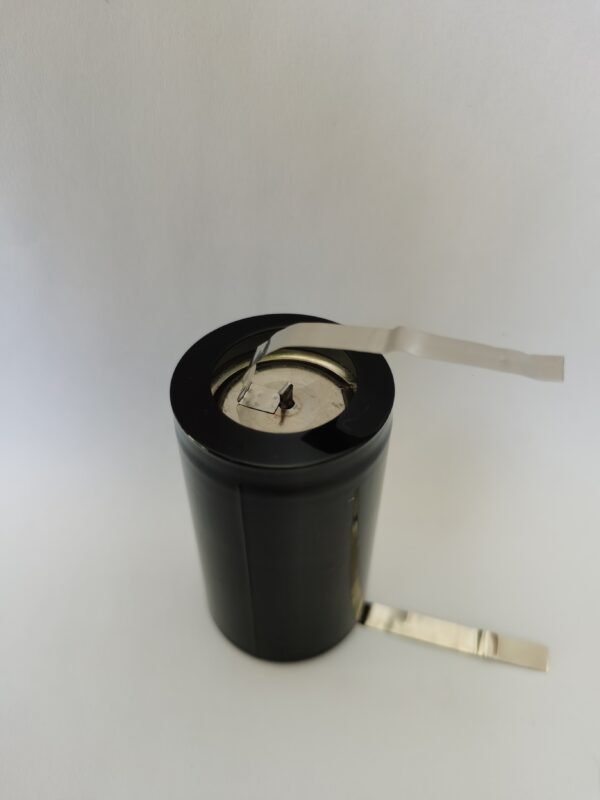
Procurement managers should work with suppliers who offer customization options, such as tab welding or specific packaging, to streamline the assembly line.
Procurement Strategy and Supplier Verification
In the global supply chain, consistency is key. A batch of batteries with varying internal resistance can lead to quality control failures in tool production. When sourcing Li-MnO₂ batteries, verify the manufacturer’s production capabilities. Do they have automated assembly lines? Is there traceability for raw materials?
It is advisable to request samples for long-term testing before committing to large volumes. Evaluate the supplier’s ability to provide consistent technical support and documentation. A reliable partner should offer comprehensive product specifications and compliance certificates readily. For a wide range of certified primary battery solutions suitable for industrial applications, you can explore detailed catalogs at CNS Battery Primary Battery Products.
Conclusion
The “best” Li-MnO₂ battery for digital measuring tools is not defined by a single brand name but by a combination of stable voltage output, robust safety sealing, and strict compliance with international standards. For B2B clients, the focus should be on establishing a partnership with a supplier who understands the technical demands of precision instruments. By prioritizing leakage prevention, temperature resilience, and pulse performance, manufacturers can ensure their measuring tools deliver accuracy and reliability throughout their operational life. Investing in high-quality primary power sources ultimately protects the end-user experience and reinforces the integrity of the measuring instrument brand.
