
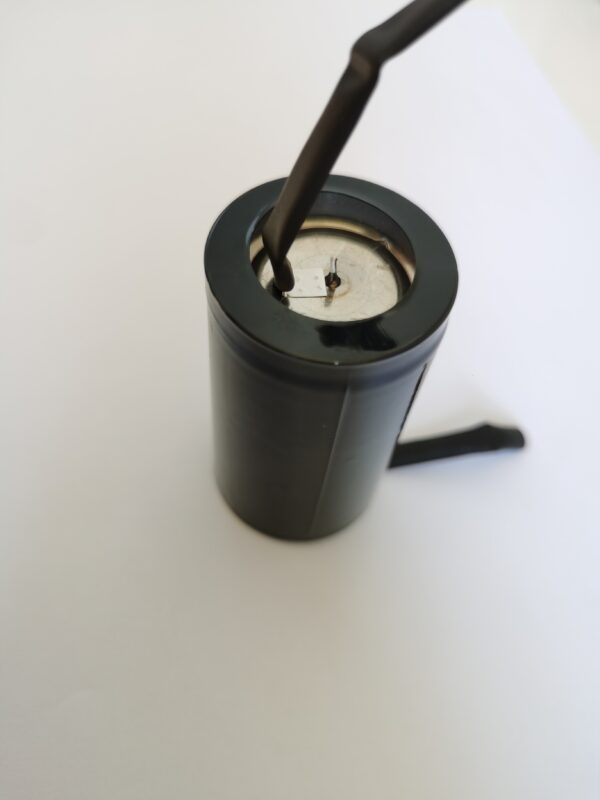
What Is the Shelf Life of Li-MnO₂ Primary Batteries?
Understanding Long-Term Storage Performance for Business Procurement
Lithium Manganese Dioxide (Li-MnO₂) primary batteries represent one of the most reliable power solutions for commercial and industrial applications. For procurement managers, engineers, and supply chain professionals, understanding shelf life specifications is critical for inventory planning, compliance management, and total cost optimization.
Technical Foundation: Why Li-MnO₂ Chemistry Delivers Extended Shelf Life
Li-MnO₂ batteries utilize lithium metal as the anode and manganese dioxide as the cathode, creating a stable electrochemical system with minimal self-discharge characteristics. The nominal voltage of 3.0V remains consistent throughout most of the discharge cycle, making these batteries ideal for precision devices requiring stable power delivery.
The key technical advantage lies in the low self-discharge rate—typically less than 1% per year under proper storage conditions. This translates to 5 to 10 years of shelf life for most commercial-grade Li-MnO₂ cells, with premium manufacturers guaranteeing up to 10 years when storage protocols are followed correctly.
Storage Conditions That Maximize Shelf Life
Temperature Requirements
Optimal storage temperature ranges between -10°C to +45°C, with ideal conditions at 20°C ±5°C. Extended exposure to temperatures above 60°C accelerates chemical degradation, while freezing conditions below -20°C may affect electrolyte performance. For warehouse operations, maintaining climate-controlled environments directly correlates with preserved battery capacity.
Humidity Control
Relative humidity should remain below 75% to prevent terminal corrosion and packaging degradation. Moisture exposure compromises the hermetic sealing that protects the lithium anode from oxidation. B2B buyers should verify that suppliers utilize moisture-barrier packaging with desiccant inclusion for bulk shipments.
Physical Storage Practices
Batteries must be stored in original packaging until deployment. Stacking height should not exceed manufacturer specifications to prevent mechanical stress on cell casings. First-In-First-Out (FIFO) inventory rotation ensures optimal performance throughout the supply chain.
Compliance and Regulatory Considerations for 2026
International transportation regulations continue evolving. The IATA Dangerous Goods Regulations (DGR) Edition 67, effective January 2026, introduces stricter requirements for lithium battery shipments. While Li-MnO₂ primary batteries generally fall under less restrictive categories than rechargeable lithium-ion systems, proper classification remains essential.
Key compliance points include:
- UN3090 classification for standalone lithium metal batteries
- Proper labeling with lithium battery handling marks
- State of Charge (SOC) documentation where applicable
- MSDS/SDS documentation for international shipments
Procurement teams should request current compliance certificates from suppliers and verify that packaging meets PI968/PI969 requirements where applicable.
Real-World Application Cases
Medical Device Manufacturing
A European medical device manufacturer specified Li-MnO₂ batteries for implantable monitoring equipment requiring 8-year shelf life guarantees. By implementing temperature-logged warehouse storage and quarterly capacity testing protocols, they achieved 99.2% performance retention after 7 years—exceeding initial projections.
IoT Sensor Deployments
An agricultural IoT company deployed 50,000 soil moisture sensors across remote locations. Selecting Li-MnO₂ cells with verified 10-year shelf life reduced maintenance cycles by 60% compared to alkaline alternatives. Pre-deployment storage at 15°C for 18 months showed negligible capacity loss, validating the manufacturer’s specifications.
Smart Metering Infrastructure
Utility companies deploying smart water meters across North America required batteries capable of withstanding variable warehouse conditions before field installation. Li-MnO₂ cells demonstrated consistent performance after 3-year storage periods, with less than 3% capacity variation across batches.
Procurement Best Practices for B2B Buyers
Supplier Qualification Checklist
- Request shelf life certification with batch-specific testing data
- Verify manufacturing date coding systems for traceability
- Confirm compliance with IEC 60086 standards for primary batteries
- Review MSDS documentation for transportation and handling requirements
- Assess packaging specifications for long-term storage compatibility
Quality Verification Points
- Voltage consistency across sample batches (±0.1V tolerance)
- Self-discharge rate documentation under specified conditions
- Temperature cycling test results for extreme environment applications
- Leakage prevention certifications for sensitive equipment integration
Cost Optimization Strategies
Bulk purchasing with proper storage infrastructure often delivers better total cost of ownership than frequent small orders. However, inventory carrying costs must be balanced against shelf life guarantees. Negotiate expiry date guarantees into supply agreements, particularly for projects with extended deployment timelines.
Technical Specifications Reference
| Parameter | Typical Value |
|---|---|
| Nominal Voltage | 3.0V |
| Operating Temperature | -20°C to +60°C |
| Storage Temperature | -10°C to +45°C |
| Self-Discharge Rate | <1%/year at 20°C |
| Shelf Life | 5-10 years |
| Energy Density | 280-330 Wh/kg |
Making Informed Procurement Decisions
Selecting the right Li-MnO₂ battery supplier requires balancing technical specifications, compliance documentation, and logistical capabilities. Established manufacturers provide batch traceability, consistent quality control, and responsive technical support throughout the product lifecycle.
For detailed product specifications and compliance documentation, explore our comprehensive primary battery solutions. Our technical team supports B2B clients with application-specific recommendations, regulatory guidance, and supply chain optimization strategies.
Conclusion
Li-MnO₂ primary batteries deliver exceptional shelf life performance when proper storage protocols are maintained. For business buyers, understanding the intersection of chemistry, storage conditions, and regulatory requirements enables smarter procurement decisions that reduce total cost of ownership while ensuring reliable device performance throughout the product lifecycle.
Investing in quality Li-MnO₂ cells from verified suppliers, combined with appropriate warehouse management practices, provides the foundation for successful long-term deployments across medical, industrial, IoT, and consumer electronics applications.
For technical consultations, compliance documentation, or customized battery solutions, contact our specialist team at https://cnsbattery.com/primary-battery-contact-us/
