
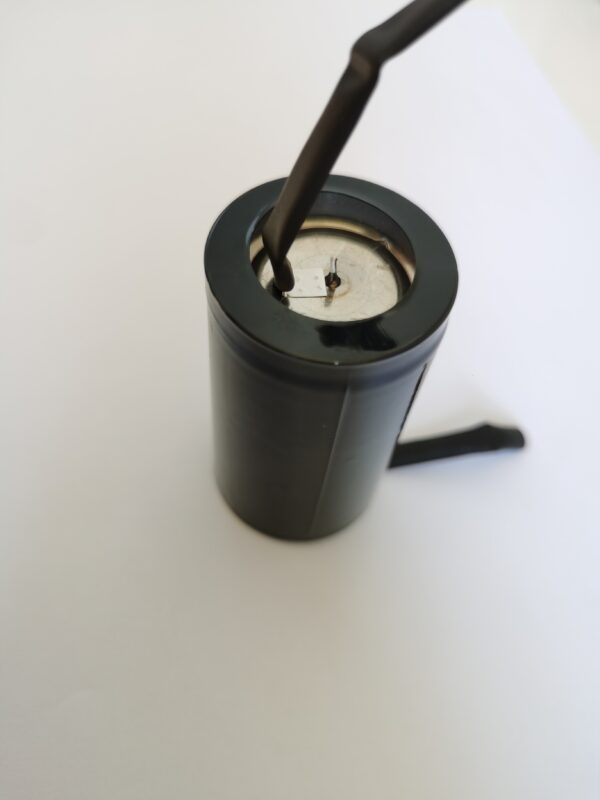
What Is the Best Lithium Battery for Whale Migration Tracking Tags?
Introduction
Marine wildlife research has entered a new era of precision tracking, with whale migration studies demanding power sources that can withstand extreme oceanic conditions while delivering consistent performance over extended periods. For marine biologists and telemetry engineers, selecting the optimal lithium battery for whale migration tracking tags represents a critical engineering decision that directly impacts data collection reliability and research outcomes. As a professional lithium metal primary battery manufacturer, we understand the unique technical requirements these applications demand.
Key Technical Requirements for Marine Tracking Applications
Operating Temperature Range and Environmental Resilience
Whale migration tracking tags operate in some of the harshest environments on Earth. The battery must function reliably across temperatures ranging from -20°C in polar regions to +40°C in tropical waters. Lithium thionyl chloride (Li-SOCl₂) chemistry excels in this regard, offering an operational temperature range of -55°C to +85°C. This wide temperature tolerance ensures consistent voltage output regardless of oceanic thermal variations, preventing data loss during critical migration phases.
Energy Density and Longevity Considerations
Migration studies often require tracking periods extending 12 to 36 months without battery replacement. The volumetric energy density of Li-SOCl₂ batteries reaches 500-700 Wh/L, significantly outperforming alkaline or lithium-ion alternatives. For a typical satellite tag drawing 50-100 μA average current with periodic transmission bursts, a properly sized 3.6V lithium primary cell can deliver 15-20 Ah capacity, ensuring uninterrupted operation throughout the research period.
Voltage Stability Under Pulse Load Conditions
Modern tracking tags employ GPS positioning and satellite communication modules that create high-current pulse demands (up to 2A for 500ms intervals). Premium Li-SOCl₂ batteries with hybrid layer construction or added capacitor integration maintain voltage stability above 3.3V during these pulses. This prevents brownout conditions that could corrupt data transmission or trigger system resets during critical location updates.
Self-Discharge Rate and Shelf Life
Research projects often involve extended deployment preparation periods. Quality lithium metal primary batteries exhibit self-discharge rates below 1% per year at 20°C, enabling 10+ year shelf life without significant capacity degradation. This characteristic proves essential for research institutions managing inventory across multiple concurrent studies with varying deployment schedules.
Critical Selection Criteria for Engineering Teams
Cell Chemistry Verification
Not all lithium primary batteries employ identical chemistry formulations. Engineers should verify the specific cathode composition, electrolyte purity, and anode surface treatment. Bobbin-type construction typically offers superior long-term low-current performance compared to spiral-wound designs, making it preferable for most whale tracking applications where average current draw remains below 1 mA.
Hermetic Sealing and Corrosion Resistance
Saltwater exposure demands IP68-rated hermetic sealing with corrosion-resistant terminal materials. Nickel-plated brass or titanium terminals prevent galvanic corrosion that could compromise electrical connectivity during extended submersion periods. The battery housing should withstand 3 ATM pressure equivalents for surface-dwelling species tracking.
Certification and Compliance Documentation
Marine research equipment often requires compliance with international shipping regulations (UN38.3, IATA) and environmental certifications. Reputable manufacturers provide complete documentation including MSDS, transportation classification, and RoHS compliance certificates, facilitating smooth logistics for international research collaborations.
Technical Implementation Recommendations
For optimal performance, we recommend implementing the following engineering practices:
- Capacity Margin: Design with 30-40% capacity reserve beyond calculated consumption to account for temperature-related efficiency losses and unexpected transmission frequency increases.
- Parallel Configuration: For high-pulse applications, consider parallel cell configurations with balancing resistors to distribute pulse loads evenly across multiple cells.
- Temperature Monitoring: Integrate battery temperature sensors within the tag housing to correlate performance data with environmental conditions during post-mission analysis.
- End-of-Life Voltage Threshold: Set system shutdown thresholds at 2.8-3.0V to prevent deep discharge conditions that could cause electrolyte decomposition and potential leakage.
Conclusion and Product Integration
Selecting the best lithium battery for whale migration tracking tags requires careful evaluation of chemistry specifications, environmental ratings, and pulse load capabilities. Li-SOCl₂ primary batteries represent the industry standard for this application, offering unmatched energy density, temperature resilience, and long-term reliability essential for marine wildlife research.
Our team specializes in manufacturing premium lithium metal primary batteries engineered specifically for demanding telemetry applications. We provide customized capacity configurations, specialized terminal designs, and comprehensive technical support for research institutions worldwide.
For detailed technical specifications and engineering consultation regarding your whale tracking project requirements, please visit our product portfolio or contact our technical team for personalized solutions tailored to your marine research applications.
Technical Note: All performance specifications referenced in this article represent typical values under standard test conditions. Actual performance may vary based on specific application parameters and environmental factors. Engineering teams should conduct application-specific validation testing before final deployment.
