
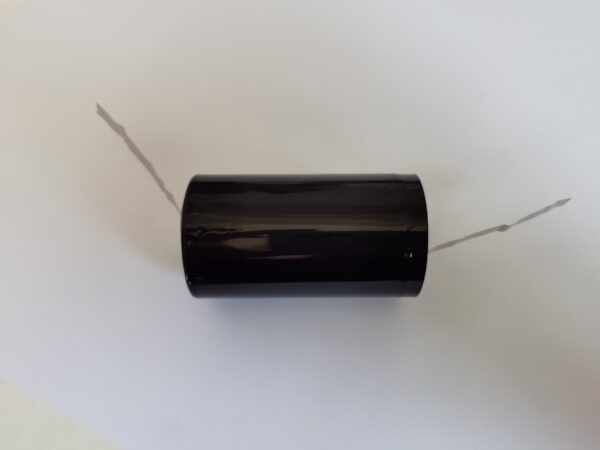
The Ultimate Guide to Selecting the Best Li-SOCl₂ Battery for LoRaWAN Sensors
In the rapidly expanding Internet of Things (IoT) ecosystem, LoRaWAN sensors have become the backbone of long-range, low-power communication. However, the success of these deployments hinges entirely on one critical component: the power source. As a professional in the lithium primary battery industry, I have seen firsthand how the wrong choice in energy storage can lead to premature sensor failure, costly maintenance, and data loss.
For engineers and procurement managers looking to deploy sensors in remote or hard-to-reach locations, the Lithium Thionyl Chloride (Li-SOCl₂) battery is the undisputed champion. This article will dissect why Li-SOCl₂ chemistry is the best fit for LoRaWAN applications and guide you through selecting the optimal solution for your specific needs.
Why Li-SOCl₂ Chemistry Dominates LoRaWAN Applications
When discussing primary (non-rechargeable) batteries for IoT, Lithium Thionyl Chloride stands out due to its unique electrochemical properties. Unlike standard alkaline or lithium-ion batteries, Li-SOCl₂ cells are specifically engineered for extreme longevity and stability.
The primary advantage lies in the ultra-low self-discharge rate. While a typical lithium-ion battery might lose 1-2% of its charge per month, a high-quality Li-SOCl₂ battery can retain over 95% of its capacity after 10 years of storage. This characteristic is vital for LoRaWAN sensors, which often need to operate unattended for 5 to 10 years.
Furthermore, the operating voltage of 3.6V provides a significant energy density advantage. This higher voltage means fewer cells are required in a battery pack to achieve the necessary system voltage, reducing the overall size and weight of the sensor unit.
Key Technical Considerations for Sensor Integration
Selecting the right battery isn’t just about chemistry; it’s about matching the battery’s capabilities to the sensor’s power profile. LoRaWAN sensors typically operate in a “sleep” mode, drawing microamps of current, and then “wake up” to transmit data, requiring a brief pulse of higher current.
- Pulse Current Capability: Standard Li-SOCl₂ cells can suffer from voltage delay when asked to deliver high pulses. For LoRaWAN applications, it is essential to select batteries with a built-in cathode current collector or utilize a hybrid layer capacitor (HLC) design. These modifications minimize the voltage drop during transmission, ensuring reliable data uplink.
- Temperature Resilience: LoRaWAN sensors are often deployed in harsh environments, from scorching deserts to freezing tundras. Li-SOCl₂ batteries excel here, offering operational ranges from -55°C to +85°C. This wide range ensures that your sensors function reliably whether buried underground or mounted on a rooftop.
- Hermetic Sealing: Moisture ingress is the enemy of electronics. The best Li-SOCl₂ cells utilize glass-to-metal seals (GTMS) to ensure absolute hermeticity. This prevents electrolyte leakage and protects the sensor circuitry from corrosion over its decade-long lifespan.
Application Scenarios and Solutions
Understanding the specific use case allows for a more precise battery recommendation. Below is a breakdown of common LoRaWAN applications and their corresponding battery requirements.
| Application Type | Power Requirement | Recommended Solution |
|---|---|---|
| Smart Metering (Water/Gas) | Very Low Power, Long Sleep Cycles | Standard Cylindrical Li-SOCl₂ Cells |
| Asset Tracking | Moderate Pulses, Vibration Resistance | Bobbin-Type or Hybrid Layer Capacitor (HLC) Cells |
| Environmental Sensors | Wide Temperature Swings, Humidity | Hermetically Sealed Prismatic or Cylindrical Cells |
- Smart Metering: In Automatic Meter Reading (AMR) and Advanced Metering Infrastructure (AMI), the primary concern is longevity. Cylindrical Li-SOCl₂ cells, such as the ER series, are the industry standard here due to their high capacity and stable voltage output over time.
- Asset Tracking: For logistics and supply chain tracking, the battery must withstand constant vibration and shock. In these scenarios, a bobbin-type construction or a specialized high-rate cell is preferable to prevent internal damage and ensure consistent performance.
- Environmental Monitoring: Sensors deployed in agricultural fields or industrial sites require robust packaging. Prismatic (square) Li-SOCl₂ cells are often favored here as they can be packaged more efficiently into flat sensor housings, maximizing space utilization.
Partnering with the Right Manufacturer
While the technical specifications are critical, the reliability of your supply chain is equally important. Not all Li-SOCl₂ batteries are created equal. Variations in manufacturing quality can lead to issues such as gas generation, voltage delay, or even leakage.
When sourcing batteries for your LoRaWAN network, look for manufacturers with rigorous quality management systems and extensive R&D capabilities. A partner that invests in advanced manufacturing techniques can provide the consistency required for mass deployments.
Power Your IoT Future with CNS Battery
At CNS Battery, we understand that your LoRaWAN sensor is only as good as its power source. We specialize in providing high-reliability primary lithium batteries designed for the harshest industrial environments. Our engineering team works closely with clients to select the perfect Li-SOCl₂ solution, whether you need standard cylindrical cells or custom battery packs for unique form factors.
If you are looking to optimize your sensor deployment for maximum uptime and minimal maintenance, we are here to help. Explore our comprehensive range of primary battery solutions designed for the IoT industry.
Ready to find the perfect power solution for your sensors? Visit our product center to learn more about our technical capabilities, or contact our sales team directly for a customized consultation.
- Explore our Product Range: Primary Battery Product Center
- Contact our Experts: Get in Touch with CNS Battery
