
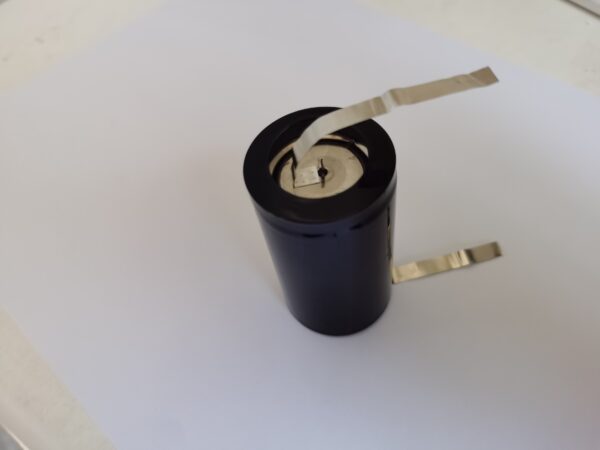
What Are the Documentation Requirements for Lithium Battery Shipping
Lithium metal primary batteries represent a critical power solution for industrial, medical, and IoT applications worldwide. However, shipping these energy-dense power sources across international borders demands strict compliance with hazardous materials regulations. Understanding the documentation requirements for lithium battery shipping is not optional—it’s a legal obligation that ensures safety, avoids customs delays, and protects your supply chain integrity.
Core Regulatory Framework
Lithium metal batteries (UN3090) are classified as Class 9 miscellaneous dangerous goods under international transport regulations. The regulatory landscape includes IATA Dangerous Goods Regulations (DGR) for air freight, IMDG Code for sea transport, and ADR for road transportation within Europe. Since January 2025, the 66th edition of IATA DGR has introduced stricter requirements, particularly regarding state of charge limitations and documentation accuracy.
Essential Documentation Requirements
1. UN38.3 Test Summary Report
The UN38.3 test summary is the foundational document for any lithium battery shipment. This report verifies that batteries have passed eight mandatory safety tests covering altitude simulation, thermal cycling, vibration, shock, external short circuit, impact, overcharge, and forced discharge. For primary lithium metal batteries, manufacturers must provide this documentation upon request. Without a valid UN38.3 test summary, carriers will reject shipments immediately.
2. Material Safety Data Sheet (MSDS/SDS)
A compliant MSDS must follow the 16-section GHS format, clearly identifying the battery chemistry, hazard classification, and emergency response procedures. For lithium metal batteries, the MSDS must specify UN3090 classification, proper shipping name, and hazard class. This document serves as the primary reference for emergency responders and warehouse personnel handling the shipment.
3. Dangerous Goods Declaration (DGD)
The DGD is a legally binding document that declares the hazardous nature of the cargo. It must include:
- Proper shipping name: “Lithium metal batteries”
- UN number: UN3090
- Hazard class: 9
- Packing group: Not applicable for lithium batteries
- Net quantity and number of packages
- Emergency contact information
Any discrepancy between the DGD and actual cargo contents can result in severe penalties, shipment rejection, or regulatory fines exceeding $50,000 per violation.
4. Shipper’s Declaration for Dangerous Goods
This document certifies that the shipment complies with all applicable regulations. The shipper must confirm proper packaging, labeling, and documentation accuracy. For air shipments, this declaration must accompany the air waybill and be signed by certified dangerous goods personnel.
5. Packaging Certification Documentation
Lithium metal batteries require UN-certified packaging meeting specific performance standards. Documentation must verify that packaging has passed drop tests, stacking tests, and leakproofness requirements. The packaging marking must include the UN symbol, packaging code, and manufacturer identification.
2026 Regulatory Updates
Effective January 2026, new requirements impact lithium battery shipping documentation:
- State of Charge Restrictions: While primarily affecting lithium-ion batteries, shippers must document battery condition for all lithium chemistries
- Enhanced Labeling: Outer packaging must display UN number in minimum 12mm font adjacent to Class 9 hazard labels
- Electronic Documentation: Many carriers now accept digital DGD submissions, but paper copies must remain available upon request
Technical Considerations for Primary Lithium Batteries
Lithium metal primary batteries differ fundamentally from rechargeable lithium-ion counterparts. They contain metallic lithium in elemental form, presenting unique thermal runaway risks. Key technical specifications that must appear on shipping documents include:
- Lithium content per cell (grams)
- Lithium content per battery (grams)
- Watt-hour rating (where applicable)
- Net weight of lithium metal
For batteries exceeding 1 gram of lithium content per cell, additional restrictions apply under Section II of Packing Instruction 968.
Common Compliance Pitfalls
Technical procurement professionals should watch for these frequent documentation errors:
- Outdated UN38.3 Reports: Test summaries older than the current regulatory edition may be rejected
- Inconsistent Weight Declarations: Discrepancies between DGD, commercial invoice, and actual cargo weight trigger customs inspections
- Missing Emergency Contact: 24-hour emergency response phone numbers are mandatory on DGD documents
- Incorrect Packing Instruction References: PI968 applies to lithium metal batteries, not PI965 (lithium-ion)
Building Compliant Supply Chains
For engineering teams specifying lithium metal batteries in product designs, early collaboration with qualified battery suppliers prevents downstream shipping complications. Reputable manufacturers provide complete documentation packages including test reports, certifications, and regulatory compliance statements.
When evaluating battery suppliers for international projects, verify their dangerous goods shipping certifications and request sample documentation before placing orders. This due diligence prevents costly delays during production ramp-up or field deployment phases.
Conclusion
Proper documentation for lithium metal battery shipping protects all stakeholders—manufacturers, freight forwarders, carriers, and end customers. The regulatory framework continues evolving, with 2026 introducing enhanced tracking and reporting requirements. Investing in compliance expertise and maintaining accurate documentation systems delivers measurable ROI through reduced delays, avoided penalties, and strengthened customer relationships.
For comprehensive information on primary lithium battery specifications and compliance support, visit our product catalog. Our technical team provides documentation guidance and regulatory consultation for global shipping projects. Contact us directly at https://cnsbattery.com/primary-battery-contact-us/ for customized compliance solutions.
This article reflects regulations effective March 2026. Always verify current requirements with qualified dangerous goods specialists before shipping.
