

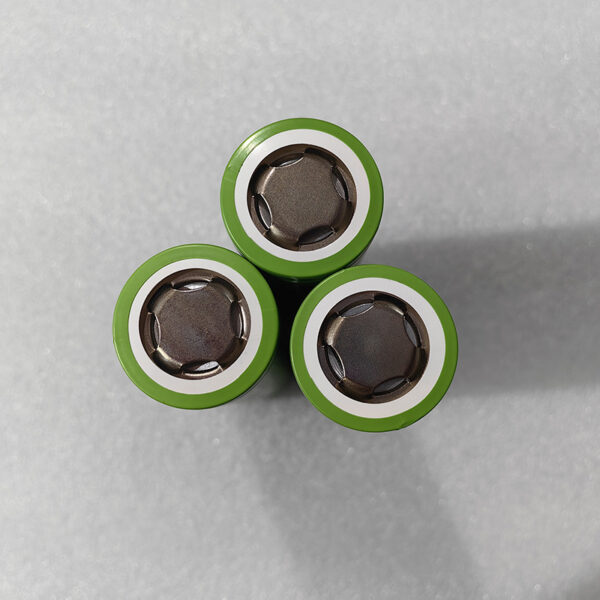
UN38.3 UL CE Certified 33140 NCM Cells for Emergency Lighting – BMS Compatibility Solved B2B Export Certified
In the global battery trade landscape, compliance certification has become the decisive factor for successful B2B exports. For emergency lighting applications, the 33140 NCM cells with UN38.3, UL, and CE certifications represent the gold standard for safety and reliability. This article addresses the critical requirements that B2B buyers must consider when sourcing certified lithium battery cells for emergency lighting systems.
Understanding UN38.3 Certification for Battery Export
UN38.3 certification originates from Section 38.3 of Part 3 of the UN Manual of Tests and Criteria for Dangerous Goods Transport. This mandatory standard ensures lithium batteries can withstand extreme conditions during air, sea, and land transportation without fire or explosion risks. The certification encompasses eight critical tests:
- Altitude Simulation: 11.6kPa low-pressure environment for 6 hours
- Thermal Shock: -40℃ to 75℃ cycling for 10 cycles
- Vibration Testing: 3-hour multi-frequency vibration simulation
- Impact Test: 150gn acceleration impact assessment
- External Short Circuit: 55℃ high-temperature short circuit test
- Overcharge/Forced Discharge: BMS reliability verification
- Drop Test: 1.2-meter drop from various angles
- Crush Test: Structural integrity under pressure
For 2026, updated UN38.3 standards now require all batteries above 2.7Wh to maintain ≤30% state of charge during transport with proper battery labels. This affects emergency lighting battery shipments significantly.
UL and CE Certification: Market Access Requirements
Beyond UN38.3, UL certification demonstrates compliance with North American safety standards, while CE marking indicates conformity with European Economic Area requirements. For emergency lighting applications, these certifications validate:
- Electrical safety under normal and fault conditions
- Electromagnetic compatibility (EMC)
- RoHS compliance for hazardous substance restrictions
- Long-term reliability in standby applications
B2B buyers should verify that certification documents are current, as standards update every 2-3 years. Outdated certifications can result in customs detention and significant financial losses.
33140 NCM Cell Specifications for Emergency Lighting
The 33140 cylindrical NCM (Nickel Cobalt Manganese) cell format offers optimal balance between energy density and safety for emergency lighting systems. Key technical specifications include:
- Nominal Capacity: 12000-15000mAh depending on chemistry grade
- Nominal Voltage: 3.6V-3.7V
- Energy Density: 250-280 Wh/kg
- Cycle Life: 2000+ cycles at 80% DOD
- Operating Temperature: -20℃ to 60℃
- Self-Discharge Rate: <3% per month
For emergency lighting applications, these cells provide reliable backup power during grid failures while maintaining long shelf life in standby mode. The cylindrical format enables efficient thermal management and mechanical stability.
BMS Compatibility: Critical Integration Considerations
Battery Management System (BMS) compatibility represents one of the most common integration challenges in emergency lighting projects. Our certified 33140 NCM cells feature:
- Standardized Communication Protocols: SMBus, I2C, UART compatibility
- Precise Voltage Monitoring: Cell balancing within ±10mV accuracy
- Temperature Protection: Multiple NTC sensor integration points
- Current Rating Support: Compatible with 1C-3C discharge rates
- SOC/SOH Estimation: Advanced algorithm support for accurate state reporting
Solved BMS compatibility means pre-tested integration with major BMS manufacturers, reducing development time and validation costs for system integrators. This eliminates common issues such as communication failures, inaccurate state-of-charge readings, and protection false-triggers.
B2B Export Compliance Documentation
Successful battery exports require three essential documents:
- MSDS Report: Material Safety Data Sheet with chemical composition
- UN38.3 Test Report: Complete test results from accredited laboratory
- Air/Sea Transport Certification: Annual renewal required for shipping
All documentation must indicate standard versions and UN numbers in both English and Chinese for international customs clearance. For European markets, additional CE-EMC and RoHS certifications are mandatory.
Why Choose Certified Chinese Battery Manufacturers
China has established itself as the global leader in lithium battery manufacturing, offering competitive pricing without compromising quality. Reputable manufacturers provide:
- ISO 9001 certified production facilities
- In-house testing laboratories with CNAS+ILAC accreditation
- Complete traceability from raw materials to finished cells
- Technical support for integration and customization
- Flexible MOQ for B2B partnerships
When evaluating suppliers, verify their certification authenticity through official databases and request sample testing before bulk orders. Established manufacturers maintain transparent communication channels and provide comprehensive after-sales support.
Conclusion
For B2B buyers sourcing 33140 NCM cells for emergency lighting applications, UN38.3, UL, and CE certifications are non-negotiable requirements. These certifications ensure safe transportation, market access, and end-user safety. BMS compatibility solutions reduce integration risks and accelerate time-to-market for emergency lighting systems.
Partner with certified manufacturers who maintain current documentation and provide technical support throughout your project lifecycle. Verify all certifications before placing orders to avoid customs delays and compliance issues.
For detailed product specifications and certification documentation, visit our cylindrical battery cell product page. To learn more about qualified battery manufacturers in China, explore our battery manufacturers directory. For direct inquiries and quotation requests, please contact our sales team.
This article provides general guidance for B2B battery procurement. Specific requirements may vary by destination country and application. Always consult with compliance experts for your particular use case.


