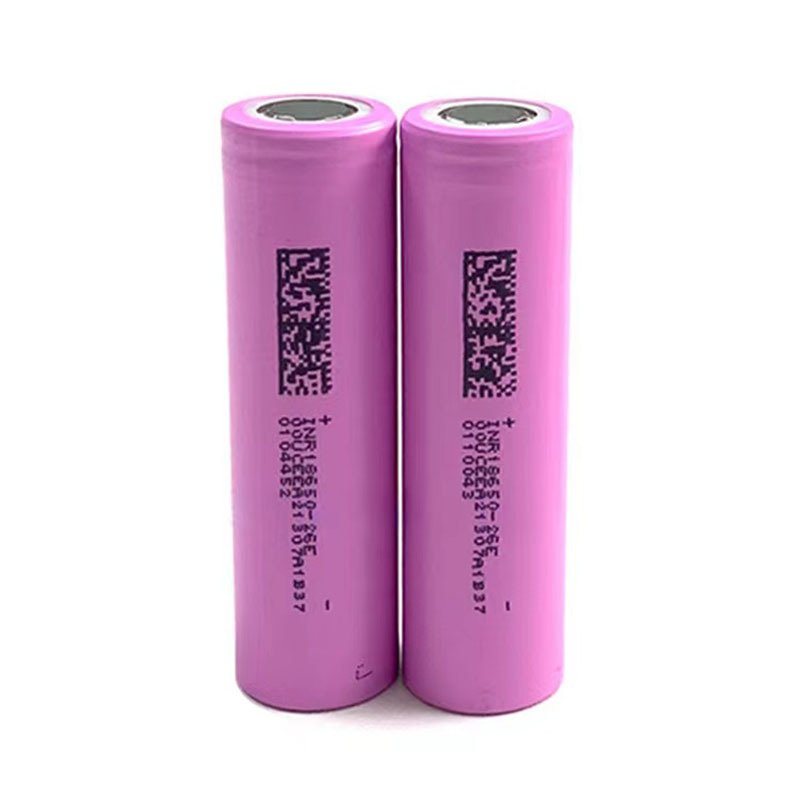
UN38.3 Certified 21700 Batteries – Export Requirements 2026
As global supply chains evolve and regulatory frameworks tighten, UN38.3 certified 21700 batteries have become the cornerstone of safe lithium battery exports in 2026. For engineers, technical procurers, and compliance officers navigating international trade, understanding the updated export requirements is no longer optional—it’s mandatory for market access across the EU, North America, and Asia-Pacific regions.
Understanding UN38.3 Certification in 2026
UN38.3 originates from Section 38.3 of the UN Manual of Tests and Criteria, establishing mandatory safety testing protocols for lithium batteries during transportation. The 2026 revision introduces stricter compliance measures aligned with IMDG Code 42-24 for sea freight and IATA DGR Edition 67 for air cargo. These updates reflect growing concerns over battery safety incidents during transit, making certification more critical than ever.
For 21700 cylindrical cells—widely adopted in EVs, energy storage systems, and high-drain devices—UN38.3 certification validates that each batch withstands eight rigorous tests without leakage, rupture, fire, or explosion.
Core Technical Parameters & Advantages
The 21700 form factor offers distinct advantages over legacy 18650 cells, including higher energy density (4800-5500mAh), improved thermal management, and reduced pack complexity. When UN38.3 certified, these cells demonstrate:
- Altitude Simulation (T.1): Withstands low-pressure conditions down to 11.6kPa, critical for air freight
- Thermal Testing (T.2): Survives rapid temperature cycling from -40°C to +75°C
- Vibration (T.3) & Shock (T.4): Validates structural integrity during ground and air transport
- External Short Circuit (T.5): Confirms protection against catastrophic failure
- Impact/Crush (T.6): Tests mechanical abuse resistance
- Overcharge (T.7) & Forced Discharge (T.8): Validates BMS compatibility and cell stability
These parameters ensure compatibility with regional standards including EU Battery Regulation 2023/1542, US DOT 49 CFR, and China GB 38031.
2026 Testing Methodology Updates
The 2026 UN38.3 framework requires three essential documentation packages:
- UN38.3 Test Report – Eight-test validation from accredited laboratories
- MSDS/SDS (GHS Rev.11) – Updated chemical safety data sheets
- Transport Classification Report – Air/sea freight certification
Notably, since 2023, test summaries no longer require signatures, streamlining digital compliance workflows. However, laboratories must maintain ISO 17025 accreditation, and test data must remain accessible for five years post-shipment.
For technical teams, this means establishing traceability systems linking production batches to specific UN38.3 certificates—a requirement increasingly enforced at EU ports and US customs checkpoints.
Regional Compliance & CNS Product Adaptability
Global battery manufacturers face fragmented regulatory landscapes. The European Union mandates additional CE marking and battery passport documentation under the new Battery Regulation. North American markets require DOT special permits for larger shipments, while Asia-Pacific regions emphasize IMDG compliance for sea exports.
CNS Battery addresses these geographic compliance challenges through integrated certification strategies. Their cylindrical battery cell lineup includes pre-certified 21700 options designed for multi-region deployment. By partnering with battery manufacturers in China that maintain dual-laboratory testing capabilities (CNAS + UL), CNS ensures seamless adaptation to both Western and Asian technical standards.
For procurement teams evaluating suppliers, verify that manufacturers offer:
- Region-specific UN38.3 test summaries
- Updated MSDS aligned with GHS Rev.11
- Transport classification reports valid for 2026 shipping seasons
Strategic Recommendations for 2026 Exports
Technical buyers should prioritize suppliers with established certification infrastructure. Request complete documentation packages before production commits, as retroactive UN38.3 testing can delay shipments by 4-6 weeks. Additionally, maintain digital copies of all certificates—physical documents face increased scrutiny at major ports including Rotterdam, Los Angeles, and Singapore.
For engineering teams designing battery packs, integrate UN38.3 considerations at the cell selection phase. The 21700 format’s standardized dimensions simplify certification across multiple SKUs, reducing per-unit compliance costs by up to 30%.
Conclusion
The 2026 UN38.3 export framework represents both a compliance challenge and competitive differentiator. Manufacturers investing in certified 21700 cells gain preferential access to regulated markets while reducing liability exposure. For detailed certification support and region-specific compliance guidance, visit our contact page to connect with technical specialists who understand the intersection of battery chemistry, transportation law, and global market access.
As regulations continue evolving, staying ahead of UN38.3 requirements isn’t just about avoiding shipment rejections—it’s about building trust with international partners who demand verifiable safety credentials. The 21700 battery’s future in global trade depends on rigorous certification, transparent documentation, and strategic partnerships with compliant manufacturers.