
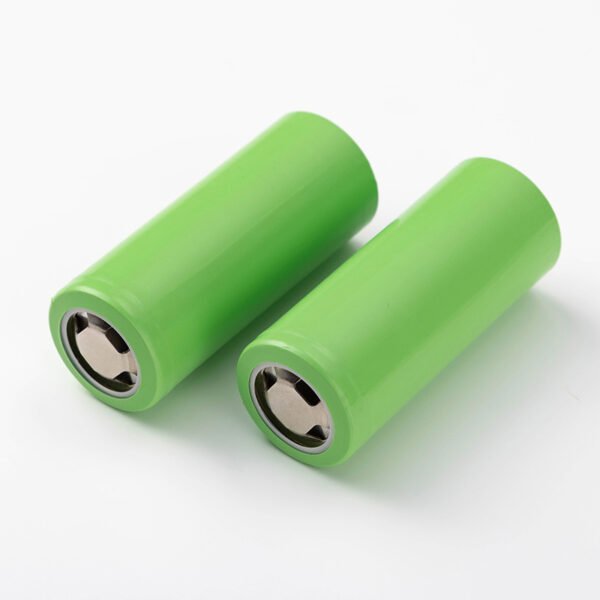
Ultralife ER17505 3.6V 4/5 AA Li-SOCl₂ Battery Replacement: A Technical Guide for Engineering Professionals
Introduction
The Ultralife ER17505 3.6V 4/5 AA lithium thionyl chloride (Li-SOCl₂) battery represents a critical power solution for industrial, medical, and IoT applications requiring long-term reliability. As engineering professionals and technical procurement specialists evaluate replacement options, understanding the fundamental electrochemistry, performance specifications, and compatibility factors becomes essential for maintaining system integrity. This technical guide provides comprehensive insights for selecting appropriate Li-SOCl₂ battery replacements while ensuring optimal performance across demanding operational environments.
Understanding Li-SOCl₂ Battery Technology
Lithium thionyl chloride batteries operate on a primary (non-rechargeable) electrochemical system where lithium serves as the anode and thionyl chloride (SOCl₂) functions as both cathode and electrolyte solvent. This unique configuration delivers several distinctive advantages:
Electrochemical Characteristics:
- Nominal voltage: 3.6V (open circuit voltage reaches 3.67V)
- Energy density: 500-700 Wh/kg, among the highest for primary batteries
- Operating temperature range: -55°C to +85°C (extended ranges available)
- Self-discharge rate: Less than 1% per year at ambient temperature
The ER17505 designation follows IEC 60086 standards, where “ER” indicates lithium thionyl chloride chemistry, “17” represents 17mm diameter, and “505” indicates 50.5mm length. The 4/5 AA form factor provides compact integration for space-constrained designs while maintaining substantial capacity typically ranging from 2,400 to 2,700 mAh depending on discharge conditions.
Critical Replacement Considerations
1. Voltage Compatibility and Load Profiles
When replacing Ultralife ER17505 batteries, engineers must verify voltage stability under specific load conditions. Li-SOCl₂ batteries exhibit voltage delay phenomena during initial discharge, particularly after extended storage. This results from the passivation layer formation on the lithium anode surface. Applications requiring immediate high-current pulses should evaluate bobbin-type versus spiral-wound construction differences.
2. Capacity Verification Under Application Conditions
Rated capacity values assume standard discharge conditions (typically 0.2mA continuous at 20°C). Real-world applications often involve:
- Pulsed current discharge patterns
- Variable temperature exposure
- Mixed load profiles combining standby and active modes
Technical procurement should request application-specific discharge curves from replacement suppliers to validate performance expectations.
3. Safety and Regulatory Compliance
Li-SOCl₂ batteries fall under UN 3090/3091 transportation regulations. Replacement batteries must maintain equivalent safety certifications including:
- UL recognition
- CE marking compliance
- RoHS directive adherence
- REACH regulation conformity
4. Long-Term Supply Chain Stability
For projects with 10-15 year operational lifecycles, verifying manufacturer commitment to product continuity becomes critical. Documentation should include product lifecycle statements and obsolescence notification policies.
Performance Optimization Strategies
Temperature Management: While Li-SOCl₂ chemistry performs exceptionally across wide temperature ranges, extreme cold conditions (-40°C and below) reduce available capacity by 20-30%. System designers should incorporate thermal considerations during battery compartment design.
Voltage Monitoring: Implementing end-of-life voltage thresholds prevents unexpected system failures. Typical cutoff voltages range from 2.0V to 2.5V depending on application requirements. Early warning systems should trigger at approximately 2.8V under load.
Storage Protocols: Proper storage conditions (15-25°C, 50% relative humidity) preserve battery integrity during inventory holding periods. Avoid stacking configurations that create mechanical stress on battery casings.
Application-Specific Recommendations
IoT and Remote Monitoring: Low-power wireless sensors benefit from Li-SOCl₂ batteries’ minimal self-discharge. Verify compatibility with sleep-mode current requirements below 10μA.
Medical Devices: Equipment requiring FDA 510(k) clearance demands batteries with documented biocompatibility testing and traceable manufacturing records.
Industrial Automation: PLC backup systems and memory preservation applications require guaranteed minimum 10-year shelf life with documented capacity retention specifications.
Selecting Qualified Replacement Partners
When evaluating replacement battery suppliers, technical teams should request comprehensive documentation including:
- Third-party test reports validating capacity claims
- Material safety data sheets (MSDS)
- Certificate of compliance for target markets
- Sample units for application-specific validation testing
Reputable manufacturers provide technical support throughout the qualification process, offering engineering assistance for integration challenges. For detailed product specifications and technical consultation, visit our primary battery product portfolio.
Conclusion
The Ultralife ER17505 3.6V 4/5 AA Li-SOCl₂ battery replacement decision requires careful technical evaluation beyond simple form-factor matching. Understanding electrochemical characteristics, application requirements, and supplier capabilities ensures successful long-term deployment. Engineering professionals should prioritize verified performance data, regulatory compliance, and supply chain stability when selecting replacement solutions.
For technical inquiries, customization requirements, or bulk procurement discussions, our engineering team stands ready to support your project needs. Contact us through our dedicated primary battery consultation channel to initiate qualification testing or request application-specific technical documentation.
Proper battery selection protects system reliability while optimizing total cost of ownership across the product lifecycle. Partner with experienced lithium primary battery specialists to ensure your critical applications maintain uninterrupted power delivery throughout their operational lifetime.
