
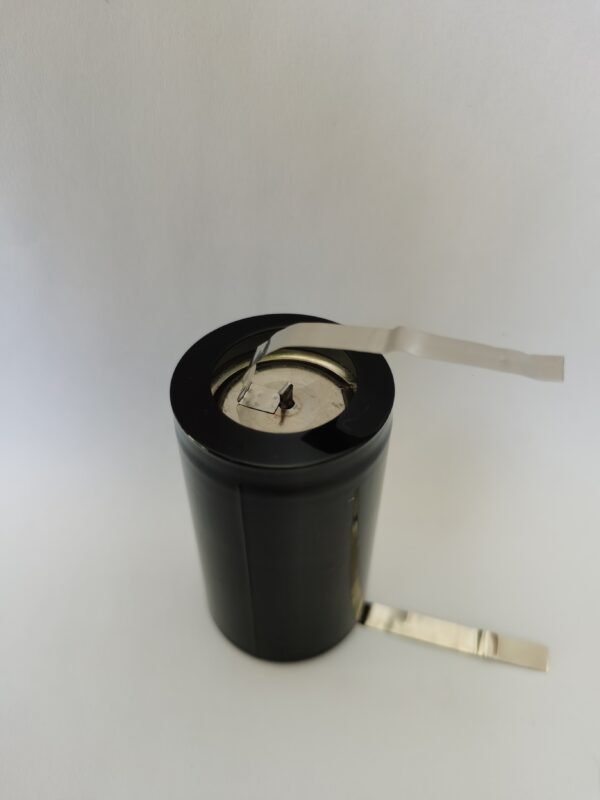
Ultralife ER14250/S Li-SOCl₂ Battery Replacement: A Comprehensive Technical Guide
For engineers and technical procurement specialists managing critical IoT, metering, and industrial applications, finding a reliable replacement for the Ultralife ER14250/S Li-SOCl₂ battery is a common challenge. This lithium-thionyl chloride primary cell has been widely deployed in utility meters, security systems, and remote monitoring devices due to its exceptional energy density and long shelf life. However, supply chain disruptions, end-of-life product notices, or cost optimization initiatives often necessitate qualified alternatives. This guide provides essential technical insights for evaluating and selecting compatible replacements.
Understanding the ER14250/S Specifications
The ER14250/S designation follows the IEC 60086 standard for lithium primary batteries. Breaking down the nomenclature:
- ER: Lithium-thionyl chloride chemistry (E = Lithium, R = Round, S = Thionyl Chloride electrolyte)
- 14: Diameter of 14mm
- 250: Height of 25.0mm
- /S: Indicates a bobbin-type construction with standard capacity rating
Key electrical characteristics include a nominal voltage of 3.6V, typical capacity ranging from 1,200 to 1,400 mAh depending on discharge conditions, and an operating temperature range from -55°C to +85°C. The bobbin-type construction prioritizes long-term, low-current applications with minimal self-discharge (typically less than 1% per year at ambient temperature).
Critical Replacement Considerations
1. Electrical Compatibility
When sourcing alternatives, verify that the replacement cell matches the original’s voltage profile under load. Li-SOCl₂ batteries exhibit a characteristic voltage delay phenomenon due to the passivation layer formation on the lithium anode. Quality replacements should demonstrate similar discharge curves, particularly for pulse-load applications common in wireless meter reading (AMR/AMI) systems.
2. Physical Dimensions and Terminal Configuration
The ER14250/S typically features axial leads or solder tabs for permanent installation. Ensure dimensional tolerances remain within ±0.5mm for diameter and ±0.3mm for height to avoid mechanical fit issues in sealed enclosures. Terminal type compatibility is crucial—mismatched configurations may require costly redesign of battery holders or PCB layouts.
3. Safety and Certification Compliance
Reputable replacements should carry relevant safety certifications including UL 1642, IEC 60086-4, and UN 38.3 transportation approval. For European deployments, RoHS and REACH compliance is mandatory. Request complete test documentation from suppliers to verify compliance with your target market regulations.
4. Long-Term Supply Stability
Evaluate manufacturer capacity, production history, and commitment to long-term product availability. Industrial applications often require 10-15 year product lifecycles. Established manufacturers with diversified production facilities offer better supply chain resilience against geopolitical or raw material disruptions.
Performance Validation Protocol
Before full-scale deployment, implement a structured validation process:
- Initial Characterization: Measure open-circuit voltage, internal resistance, and capacity under standard discharge conditions (typically 3.9kΩ load at 20°C)
- Temperature Cycling: Test performance across the full operating temperature range, paying special attention to low-temperature voltage recovery
- Storage Testing: Monitor self-discharge rates over 6-12 month periods at elevated temperatures (40-60°C) to project long-term shelf life
- Application-Specific Testing: Validate performance under actual load profiles including pulse currents if applicable
Recommended Sourcing Strategy
For organizations seeking qualified Ultralife ER14250/S replacements, partnering with established primary battery manufacturers ensures technical support and consistent quality. Professional suppliers can provide custom configurations including specialized terminals, wire leads, or connector assemblies tailored to your application requirements.
Explore comprehensive primary battery solutions and technical specifications at https://cnsbattery.com/primary-battery/. For detailed compatibility assessments, certification documentation, or custom configuration inquiries, contact the technical team directly at https://cnsbattery.com/primary-battery-contact-us/.
Conclusion
Selecting an appropriate ER14250/S replacement requires careful evaluation of electrical characteristics, physical dimensions, safety certifications, and long-term supply considerations. By following the technical guidelines outlined in this article and implementing a structured validation protocol, engineers and procurement specialists can ensure seamless transitions without compromising system reliability or performance. Prioritize partnerships with manufacturers who demonstrate technical expertise, regulatory compliance, and commitment to long-term product availability for mission-critical applications.
