
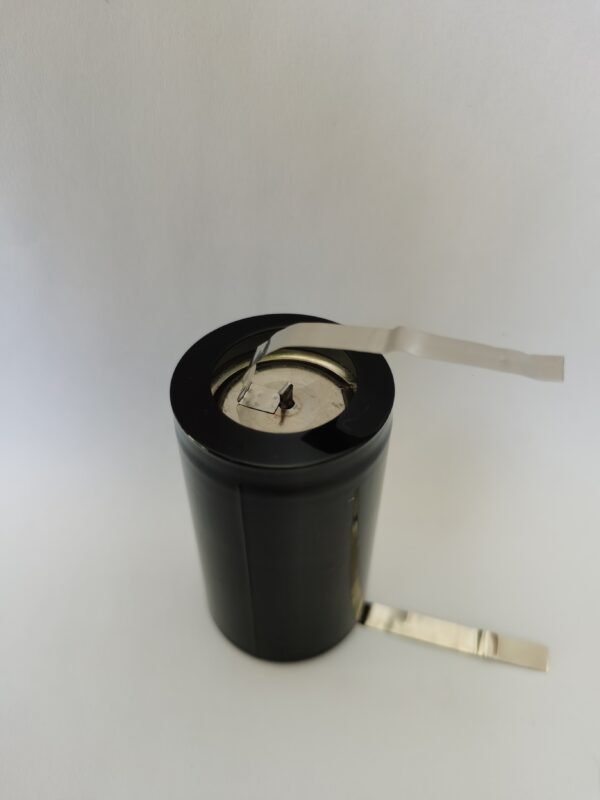
Ultra Low Temperature Li-S Battery | -40℃ Operation
In the evolving landscape of industrial IoT, defense systems, and aerospace applications, power reliability under extreme environmental conditions is non-negotiable. As we advance into 2026, the demand for Ultra Low Temperature Li-S Battery | -40℃ Operation capability has become a critical specification for engineers and technical purchasers globally. Lithium Thionyl Chloride (Li-SOCl₂) technology remains the gold standard for primary battery chemistry in these scenarios, offering unmatched energy density and thermal stability where conventional lithium-ion solutions fail.
The Chemistry Behind Extreme Cold Performance
To understand why Li-SOCl₂ batteries excel at -40℃, one must examine the electrochemical fundamentals. Unlike rechargeable lithium-ion batteries, which suffer from electrolyte freezing and increased internal impedance below -20℃, Li-SOCl₂ cells utilize a liquid cathode system. The reaction between lithium metal (anode) and thionyl chloride (cathode/electrolyte) generates power through a mechanism that remains active even in arctic conditions.
The core challenge at -40℃ is electrolyte viscosity and ion mobility. Standard formulations experience significant voltage lag due to the passivation layer (LiCl) formed on the anode surface during storage. However, advanced manufacturing techniques now modify the electrolyte composition and electrode structure to mitigate this. By optimizing the salt concentration and incorporating specific catalysts, modern cells maintain voltage stability during high-pulse discharge even after prolonged exposure to extreme cold.
Key Parameters and Advantages for Engineering Teams
For technical purchasers evaluating power sources for remote sensors or military equipment, the following parameters define the superiority of low-temperature Li-SOCl₂ technology:
- Operating Temperature Range: High-grade cells operate continuously from -55℃ to +85℃, with intermittent peaks up to 150℃. At -40℃, capacity retention typically exceeds 85% of nominal room-temperature ratings, whereas Li-ion drops below 50%.
- Energy Density: With specific energy reaching up to 590 Wh/kg, these batteries minimize weight penalties in portable or airborne applications.
- Low Self-Discharge: Annual self-discharge rates under 1% ensure a shelf life of 10+ years, critical for backup systems in cold-chain logistics or remote infrastructure.
- Voltage Stability: Despite the inherent voltage lag phenomenon, optimized designs deliver stable working voltage (3.6V nominal) during load, preventing system resets in microcontrollers.
Testing Methodologies and Validation Standards
Reliable performance claims require rigorous validation. Industry-standard testing for -40℃ operation involves thermal cycling and discharge profiling aligned with IEC 60086 and UN 38.3 transportation safety standards.
Typical Test Protocol:
- Storage: Cells are stored at -40℃ for 72 hours to ensure thermal equilibrium.
- Discharge Load: A constant resistance or pulse load is applied simulating real-world IoT transmission cycles.
- Voltage Monitoring: Cut-off voltage is monitored to ensure it remains above the minimum threshold required by the load (typically 2.0V-3.0V depending on chemistry grade).
Engineers should request discharge curves at specific temperatures from manufacturers. A robust supplier will provide data showing minimal voltage depression after high-temperature storage followed by low-temperature discharge, addressing the classic “voltage lag” issue inherent to Li-SOCl₂ chemistry.
Geo SEO and Regional Compliance: EU and US Market Adaptability
For global procurement, compliance with regional technical barriers is as crucial as performance. CNS Battery products are engineered to meet stringent international standards, ensuring seamless integration into supply chains across North America and Europe.
- European Union (EU): Products comply with CE marking requirements, REACH regulations regarding chemical safety, and the EU Battery Directive. This ensures unrestricted deployment in industrial zones from Germany to France.
- United States (US): Cells meet UL certification standards and UN 38.3 for safe air and ground transport. This is vital for defense contractors and logistics companies operating under DOT regulations.
The technical barriers in these regions often demand documented traceability and material safety data sheets (MSDS). Advanced manufacturing facilities utilize automated production lines to ensure consistency, reducing the risk of batch variations that could fail compliance audits in highly regulated markets like California or Bavaria.
Conclusion: Selecting the Right Partner for Extreme Environments
Choosing a primary battery for -40℃ operation is not merely about purchasing a component; it is about securing the reliability of your entire system. As IoT devices penetrate deeper into extreme environments—from Arctic monitoring stations to high-altitude aerospace—the need for validated, compliant, and high-performance Li-SOCl₂ solutions will only intensify.
Engineers and purchasers must prioritize suppliers who demonstrate transparent testing data and regional compliance. For detailed specifications on ultra-low temperature primary batteries and to discuss custom engineering solutions, visit our product page. Our technical team is ready to support your project requirements with certified data and global logistics capabilities.
To request a quote or speak with a battery specialist regarding your specific application needs, please contact us here. Ensuring your system operates flawlessly at -40℃ starts with the right power source.
