Ultimate Guide to 38121 Lithium Ion Cylindrical Battery Cells for Drone 2026 – Complete Thermal Runaway Prevention Focus
The drone industry continues its exponential growth trajectory in 2026, with commercial UAV applications demanding unprecedented power density and safety standards. Among various battery configurations, the 38121 lithium ion cylindrical battery cell has emerged as a critical power solution for medium to large-scale drones. This comprehensive guide addresses the most pressing concern for B2B buyers worldwide: thermal runaway prevention in high-performance drone applications.
Understanding 38121 Cylindrical Cell Architecture
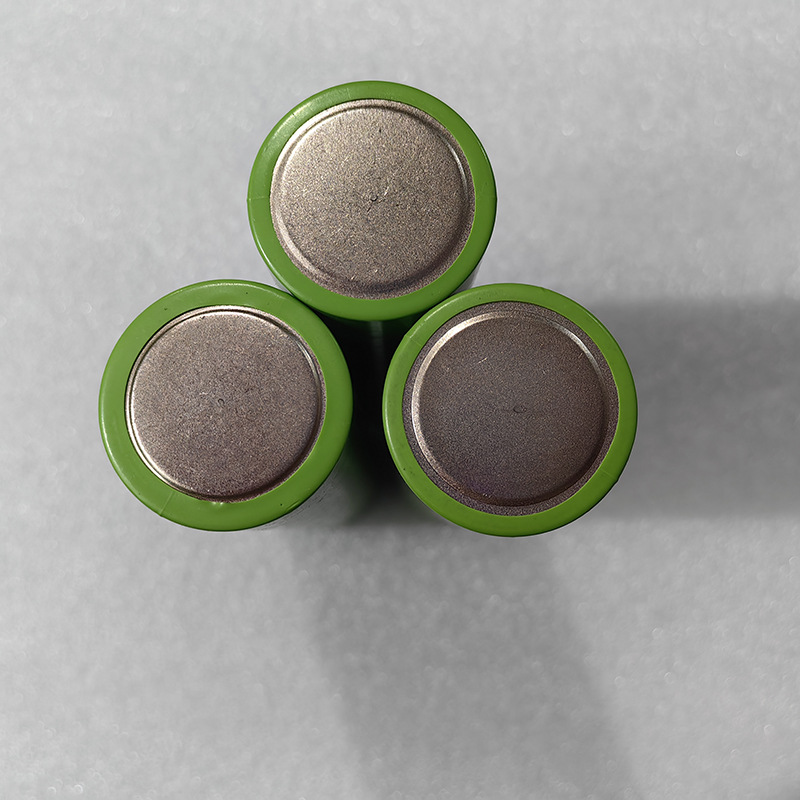
The 38121 designation refers to a cylindrical lithium-ion cell with 38mm diameter and 121mm height, offering substantially higher capacity compared to conventional 18650 or 21700 cells. Typical specifications include:
- Nominal Capacity: 12-15Ah depending on chemistry
- Voltage Platform: 3.2V (LiFePO4) or 3.6-3.7V (NMC/NCA)
- Continuous Discharge: 3C-10C for drone applications
- Energy Density: 180-220 Wh/kg (cell level)
For drone manufacturers sourcing from established battery manufacturers in China, understanding these specifications is fundamental to system design. The larger form factor provides superior thermal mass, which inherently slows temperature rise during high-current discharge cycles typical in UAV operations.
Thermal Runaway: Mechanisms and Triggers
Thermal runaway represents the most critical safety challenge in lithium-ion battery systems. The phenomenon occurs when internal heat generation exceeds dissipation capacity, triggering exothermic reactions that accelerate uncontrollably.
Primary Triggers in Drone Applications:
- Internal Short Circuits: Manufacturing defects or mechanical damage causing separator failure
- Overcharging: BMS malfunction leading to voltage exceeding safe thresholds
- External Heating: Environmental exposure or proximity to heat sources
- Mechanical Abuse: Crash impacts compromising cell integrity
- High-Rate Discharge: Sustained currents beyond design specifications
Recent research from 2025 demonstrates that cylindrical cells exhibit different thermal propagation characteristics compared to prismatic or pouch configurations. The steel casing provides structural containment but can also channel heat to adjacent cells in packed configurations.
Advanced Thermal Runaway Prevention Strategies
1. Cell-Level Safety Features
Modern 38121 cells incorporate multiple safety mechanisms:
- CID (Current Interrupt Device): Automatically disconnects during overpressure events
- PTC (Positive Temperature Coefficient): Increases resistance with temperature rise
- Vent Mechanisms: Controlled pressure release preventing catastrophic rupture
- Ceramic-Coated Separators: Enhanced thermal stability up to 200°C+
When evaluating suppliers, verify these features through the manufacturer’s product catalog.
2. Battery Management System (BMS) Architecture
A robust BMS serves as the first line of defense against thermal events:
- Cell Voltage Monitoring: Individual cell tracking with ±2mV accuracy
- Temperature Sensing: Minimum 3-5 sensors per module for thermal mapping
- Current Limiting: Dynamic adjustment based on temperature and SOC
- Isolation Control: Contactors for rapid circuit interruption
- Communication Protocols: CAN bus or RS485 for real-time data transmission
For 2026 compliance, BMS systems must meet evolving international standards including UN38.3, IEC62619, and regional aviation authority requirements.
3. Thermal Management System Design
Effective heat dissipation prevents accumulation leading to runaway:
Passive Cooling:
- Aluminum heat sinks between cell rows
- Phase change materials (PCM) for transient load absorption
- Thermally conductive potting compounds
Active Cooling:
- Forced air circulation utilizing drone downwash
- Liquid cooling plates for high-power applications
- Hybrid systems combining both approaches
Thermal simulation during design phase identifies hot spots before physical prototyping, reducing development cycles and safety risks.
4. Mechanical Protection and Packaging
Drone batteries face unique mechanical challenges:
- Vibration Damping: Elastomeric mounts isolating cells from motor vibrations
- Impact Resistance: Reinforced enclosures meeting drop-test standards
- Water Protection: IP65+ rating for outdoor operations
- Fire Barriers: Intumescent materials between cells limiting propagation
Testing and Validation Protocols
Comprehensive testing validates thermal safety claims:
| Test Type | Standard | Purpose |
|---|---|---|
| Nail Penetration | GB/T 31485 | Internal short simulation |
| Thermal Shock | IEC 62660 | Temperature cycling resilience |
| Overcharge | UN38.3 T4 | BMS failure scenario |
| External Short | UL 1642 | Terminal fault conditions |
| Crush Test | SAE J2464 | Mechanical abuse tolerance |
Leading manufacturers conduct additional in-house testing beyond regulatory minimums, providing customers with comprehensive validation reports.
Supply Chain Considerations for B2B Buyers
When sourcing 38121 cells for drone applications, consider:
Quality Assurance:
- Request batch-specific test reports
- Verify manufacturing facility certifications (ISO9001, IATF16949)
- Audit production processes when possible
Technical Support:
- Evaluate engineering support capabilities
- Confirm availability of customization options
- Assess after-sales service infrastructure
Regulatory Compliance:
- Ensure documentation for target markets
- Verify transportation classification (UN3480)
- Confirm warranty and liability terms
For detailed specifications and direct manufacturer communication, visit our contact page.
Future Outlook: 2026 and Beyond
The drone battery landscape continues evolving with several emerging trends:
- Solid-State Integration: Early commercial applications showing promise for enhanced safety
- AI-Powered BMS: Predictive analytics for failure prevention
- Sustainable Chemistry: Reduced cobalt content and improved recyclability
- Fast-Charging Standards: 15-minute charging becoming industry expectation
Regulatory frameworks are tightening globally, with new standards expected throughout 2026. Manufacturers investing in thermal safety today position themselves competitively for tomorrow’s requirements.
Conclusion
The 38121 lithium ion cylindrical battery cell represents an optimal balance of capacity, power delivery, and safety for commercial drone applications. However, realizing this potential requires comprehensive thermal runaway prevention strategies spanning cell selection, BMS design, thermal management, and mechanical protection.
For B2B buyers, partnering with experienced manufacturers who prioritize safety engineering over cost reduction proves essential. The investment in quality cells and robust system design pays dividends through reduced warranty claims, enhanced brand reputation, and most importantly, operational safety.
As the drone industry matures through 2026, thermal safety will remain the primary differentiator between successful and failed products. Organizations that embrace comprehensive prevention strategies today will lead the market tomorrow.
This guide reflects industry best practices as of March 2026. Specifications and standards may vary by manufacturer and region. Always consult with qualified engineering professionals for application-specific recommendations.