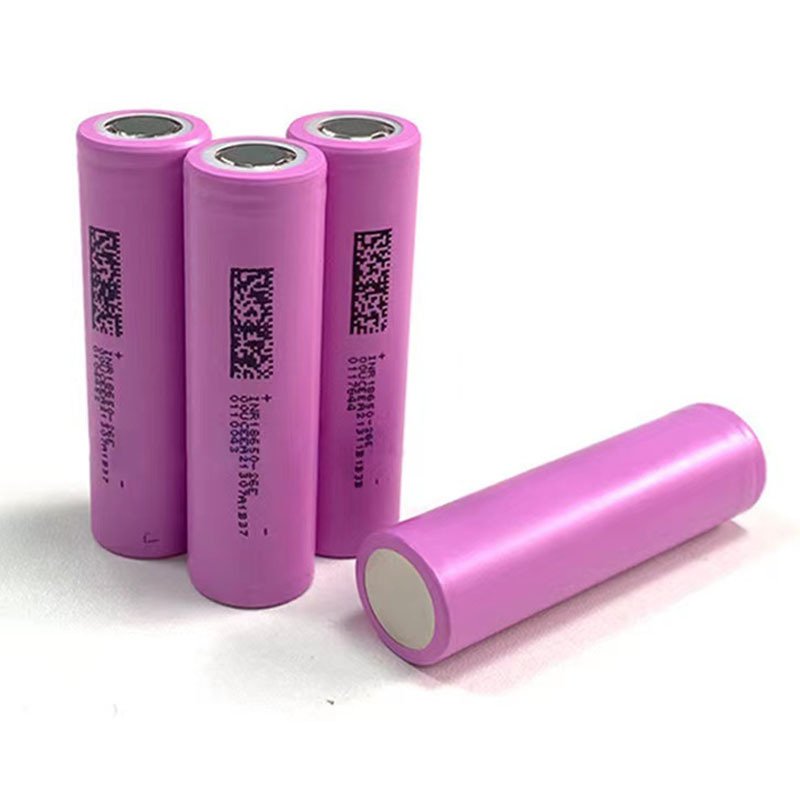
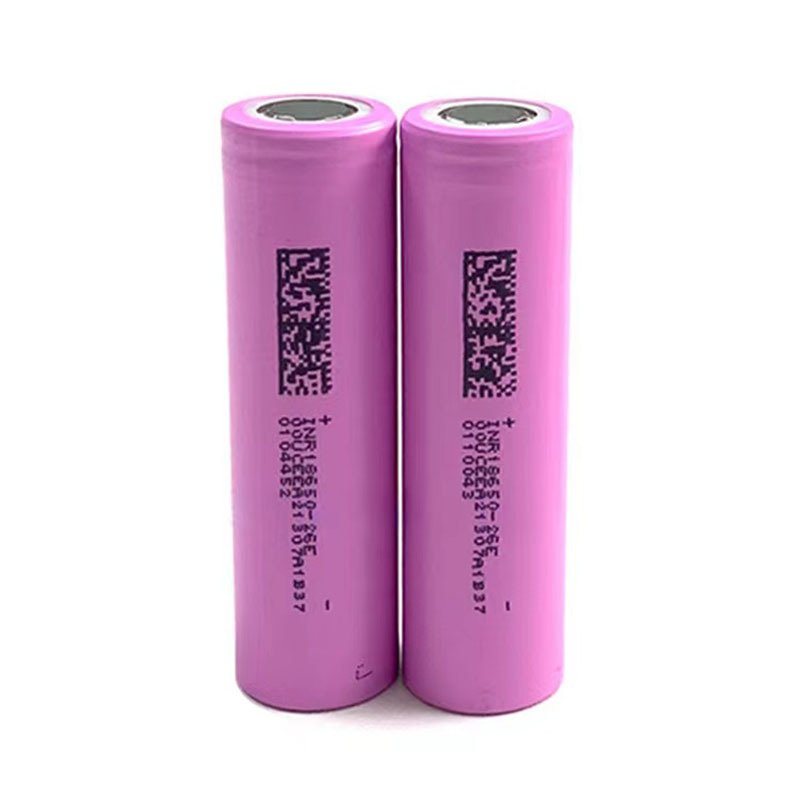
Ultimate Guide to 21700 NCM Cells for Power Tools 2026 – Complete BMS Compatibility Solved Focus
The power tool industry is experiencing a transformative shift in 2026, with 21700 NCM (Nickel-Cobalt-Manganese) lithium-ion cells emerging as the definitive standard for professional-grade cordless equipment. This comprehensive guide addresses the critical technical specifications, BMS compatibility challenges, and integration solutions that engineers and technical procurement specialists need to know when selecting battery systems for high-performance power tools.
Why 21700 NCM Cells Dominate Power Tool Applications
The 21700 form factor represents the optimal balance between energy density and power delivery. With dimensions of 21mm diameter and 70mm length, these cylindrical cells deliver 35% more energy capacity compared to legacy 18650 cells while maintaining comparable thermal management characteristics. Current-generation 21700 NCM cells offer capacity ranges between 4000mAh to 6000mAh, with nominal voltages of 3.6V-3.7V and discharge cutoff at 2.5V.
For power tool manufacturers, the advantages are quantifiable: higher energy density translates to extended runtime per charge, while the improved surface-area-to-volume ratio enables more efficient heat dissipation during high-current discharge cycles typical in drilling, cutting, and impact applications.
Critical Technical Specifications for 2026
When evaluating 21700 NCM cells for power tool integration, engineers must prioritize several key parameters:
Continuous Discharge Current: Professional power tools require cells capable of sustaining 25A-45A continuous discharge with peak bursts exceeding 60A. Latest full-tab technology reduces internal resistance to approximately 3-5mΩ, minimizing voltage sag and thermal buildup during operation.
Cycle Life: Quality NCM cells should maintain 80% capacity retention after 1000+ charge cycles under standard power tool usage patterns. This metric directly impacts total cost of ownership for commercial users.
Operating Temperature Range: Industrial-grade cells must perform reliably between -20°C to 60°C, ensuring consistent performance across diverse job site conditions.
Energy Density: Current production cells achieve 270-325 Wh/kg, enabling lighter battery packs without compromising runtime—a critical factor for user ergonomics in handheld tools.
BMS Compatibility: The Core Challenge Solved
Battery Management System compatibility remains the most significant integration hurdle for power tool manufacturers transitioning to 21700 NCM architecture. The 2026 landscape presents several compatibility considerations:
Cell Balancing Requirements: NCM chemistry demands precise voltage balancing across series-connected cells. Advanced BMS solutions must maintain cell-to-cell voltage variance below 10mV to prevent premature capacity degradation and ensure pack longevity.
Communication Protocols: Modern power tool platforms increasingly require SMBus, CAN bus, or proprietary digital communication between the battery pack and tool motor controller. This enables real-time monitoring of state-of-charge, temperature, and fault conditions.
Protection Thresholds: Effective BMS implementation requires accurate calibration of over-current, over-voltage, under-voltage, and over-temperature protection points specific to NCM chemistry characteristics. Misalignment can trigger false positives during legitimate high-power tool operation.
Thermal Management Integration: The BMS must coordinate with active or passive cooling systems, adjusting charge/discharge limits based on real-time temperature sensor data to prevent thermal runaway scenarios.
Integration Best Practices for Engineering Teams
Successful 21700 NCM integration requires systematic validation across multiple dimensions:
- Cell Matching: Implement strict capacity and internal resistance matching criteria during pack assembly. Variations exceeding 3% can significantly reduce overall pack performance and lifespan.
- Mechanical Design: Utilize honeycomb-structured holders that provide optimal cell spacing for thermal management while maintaining structural integrity under vibration and impact conditions typical in power tool environments.
- Certification Compliance: Ensure battery systems meet IEC62133-2, UL2054, and regional safety certifications. Leading manufacturers complete 48+ test items including 150kN crush testing and 100+ temperature cycle validations.
- Smart BMS Selection: High-value equipment paired with intelligent BMS systems can extend battery pack lifespan by 25% or more through optimized charging algorithms and predictive maintenance capabilities.
Sourcing Considerations for Technical Procurement
When evaluating 21700 NCM cell suppliers, procurement specialists should verify:
- Grade Classification: Specify A-grade cells for professional power tool applications. B-grade cells may suffice for consumer products but introduce unacceptable reliability risks in commercial equipment.
- Supply Chain Transparency: Request documentation tracing raw material sourcing, particularly for cobalt and nickel components subject to evolving regulatory requirements.
- Manufacturing Certifications: ISO9001, IATF16949, and relevant regional manufacturing certifications indicate consistent quality control processes.
- Technical Support: Leading manufacturers provide application engineering support throughout the integration process, from initial cell selection through production validation.
For comprehensive product specifications and technical documentation on cylindrical battery cells suitable for power tool applications, visit https://cnsbattery.com/products-3/cylindrical-battery-cell/. Engineering teams seeking direct technical consultation can connect with application specialists at https://cnsbattery.com/contact-2/. Organizations evaluating manufacturing partners should review detailed capabilities at https://cnsbattery.com/battery-manufacturers-in-china/.
Future Outlook: 2026 and Beyond
The 21700 NCM platform continues evolving with silicon-carbon anode integration and tabless electrode designs pushing performance boundaries. Porsche’s V4Smart subsidiary recently announced second-generation 21700 cells combining silicon-carbon anodes with full-tab architecture, demonstrating the technology’s ongoing relevance in high-performance applications beyond automotive sectors.
For power tool manufacturers, the message is clear: 21700 NCM cells represent not merely an incremental improvement but a fundamental platform shift enabling next-generation cordless tool performance. Success requires holistic attention to cell selection, BMS integration, thermal management, and validation protocols.
Conclusion
The transition to 21700 NCM cells for power tools in 2026 demands technical rigor and systematic integration approaches. By understanding the critical specifications, resolving BMS compatibility challenges through proper protocol implementation, and partnering with qualified suppliers, manufacturers can deliver battery systems that meet the demanding requirements of professional users worldwide. The technology maturity achieved by 2026 makes this an optimal time for equipment manufacturers to standardize on 21700 NCM architecture, balancing performance, cost, and reliability for competitive market positioning.