

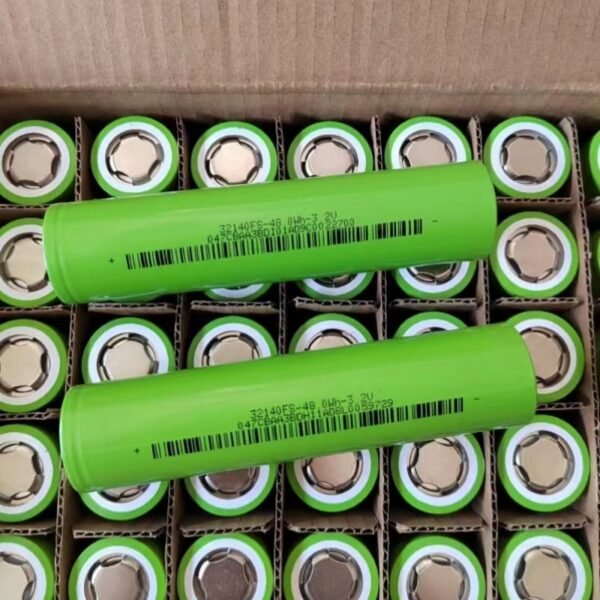
Ultimate Guide to 18650 LFP Cells for Solar Storage 2026 – Complete Low Temperature Performance Focus
As the global renewable energy market accelerates into 2026, lithium iron phosphate (LFP) chemistry has emerged as the dominant choice for solar energy storage systems. Among various form factors, 18650 LFP cells continue to deliver exceptional value for residential and commercial solar installations, particularly in regions experiencing extreme climate conditions. This comprehensive guide examines low-temperature performance characteristics critical for system designers, energy integrators, and procurement specialists worldwide.
Why 18650 LFP Cells Dominate Solar Storage Applications
The 18650 cylindrical format offers proven reliability with standardized dimensions (18mm diameter × 65mm length), making it ideal for modular battery pack designs. LFP chemistry provides inherent safety advantages over NMC alternatives, including superior thermal stability and extended cycle life exceeding 6,000 charges. For solar storage applications in North America, Europe, and Australia, these characteristics translate to lower total cost of ownership and reduced maintenance requirements.
Low Temperature Performance: Critical Technical Considerations
Discharge Capacity Retention
At -20°C, premium 18650 LFP cells typically retain 75-85% of nominal capacity compared to room temperature performance. Advanced electrolyte formulations with low-viscosity solvents enable improved ion mobility in cold conditions. System designers should account for 15-25% capacity derating when sizing battery banks for cold climate installations in Canada, Northern Europe, or high-altitude regions.
Charging Limitations Below 0°C
Lithium plating risks increase significantly when charging LFP cells below 0°C. Modern battery management systems (BMS) must implement temperature-based charging protocols:
- 0°C to -10°C: Reduce charging current to 0.2C maximum
- Below -10°C: Implement pre-heating before charging initiation
- Below -20°C: Disable charging entirely until safe temperature range is restored
Internal Resistance Variation
Cold temperatures cause internal resistance to increase 2-3 times compared to 25°C baseline. This affects power delivery capability and efficiency. High-quality 18650 LFP cells from established manufacturers maintain impedance below 35mΩ at -20°C, ensuring acceptable performance for most solar storage applications.
Geographic-Specific Deployment Recommendations
North American Markets: For installations in Canada and northern US states, prioritize cells with enhanced low-temperature electrolytes. Consider insulated enclosure designs with passive or active heating systems.
European Applications: German, Scandinavian, and Alpine region projects require comprehensive thermal management. CE-certified battery packs with integrated heating elements deliver optimal year-round performance.
Australian & Southern Hemisphere: While low-temperature performance remains important for high-altitude installations, focus shifts toward heat dissipation in coastal and desert regions.
Quality Verification for B2B Procurement
When sourcing 18650 LFP cells for commercial solar projects, verify the following specifications:
- Cycle Life Documentation: Request third-party tested cycle life data at various temperatures
- IEC/UL Certifications: Ensure compliance with IEC 62619, UL 1642, and UN 38.3 transportation standards
- Manufacturing Traceability: Batch-level quality records enable performance tracking and warranty claims
- Temperature Range Specifications: Confirm operating ranges match project environmental conditions
Reliable battery manufacturers in China provide comprehensive technical documentation and support throughout project lifecycle.
System Integration Best Practices
Successful solar storage deployment requires holistic thermal management strategies:
- Pack Design: Implement adequate spacing between cells for air circulation
- BMS Selection: Choose systems with multi-point temperature monitoring
- Enclosure Rating: IP65 minimum for outdoor installations with thermal insulation
- Monitoring Systems: Remote temperature alerts enable proactive maintenance
For customized cylindrical battery solutions, explore our cylindrical battery cell portfolio featuring optimized LFP chemistry for diverse climate conditions.
2026 Market Outlook and Investment Considerations
The global 18650 LFP market continues expanding with annual growth exceeding 18%. Manufacturing scale improvements have reduced costs by 22% since 2023, making LFP increasingly competitive for utility-scale projects. However, low-temperature performance remains a key differentiator among suppliers. Premium cells command 15-20% price premiums but deliver superior long-term value through extended lifespan and reduced degradation.
Investment-grade solar storage projects should prioritize cell quality over initial cost savings. Total cost of ownership calculations must include replacement cycles, efficiency losses, and warranty coverage. Established manufacturers offering 10-year warranties provide better risk mitigation for commercial installations.
Conclusion
18650 LFP cells represent a mature, reliable technology for solar energy storage in 2026. Low-temperature performance characteristics require careful consideration during system design, particularly for installations in cold climate regions. By selecting quality cells from verified manufacturers, implementing appropriate thermal management, and following integration best practices, energy professionals can deliver high-performance solar storage systems with predictable long-term returns.
For technical consultations and project-specific requirements, contact our team to discuss customized battery solutions matching your geographic and performance specifications.
This guide reflects industry standards and technical data available in Q1 2026. Specifications may vary by manufacturer and should be verified for specific project requirements.


